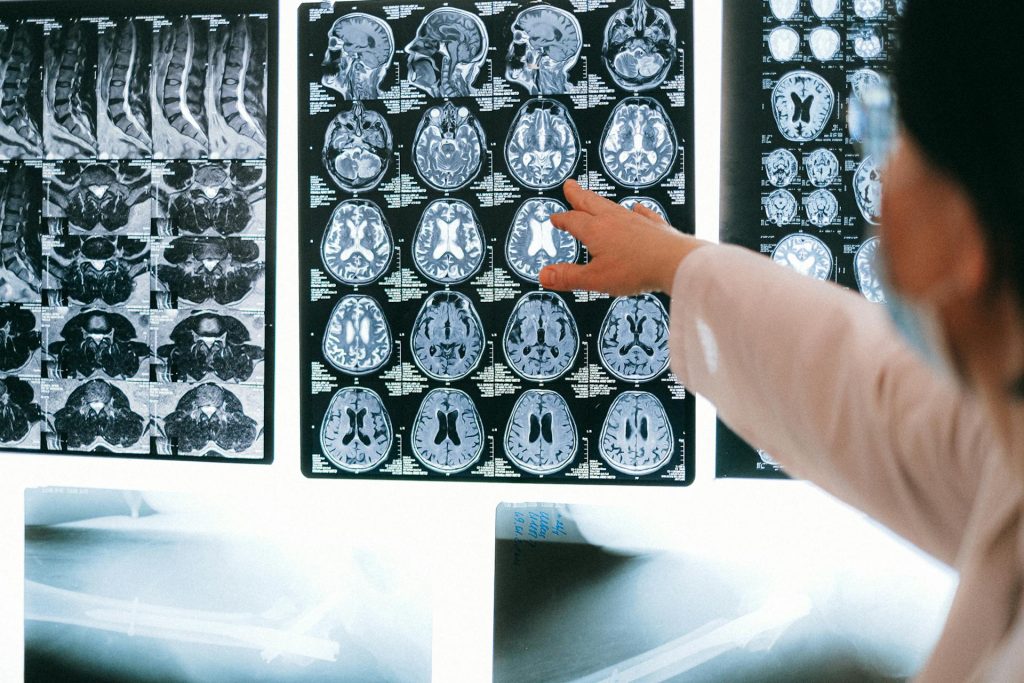
A head injury can flip life upside down in a split second. Traumatic brain injuries—TBIs for short—don’t just affect the person who’s hurt. They ripple through families, friendships, even workplaces. And while medical care is the first step, figuring out how to cover bills, protect your rights, and plan for the future is just as important.
That’s where an experienced Oklahoma City traumatic brain injury lawyer can step in, helping families navigate the mess that follows and push for the support they need.

The Day-to-Day Struggles Families See
The tricky part about TBIs is that they’re not always obvious. A broken bone shows up on an X-ray. Brain injuries? Not so simple. Some people have headaches or memory lapses right away. Others notice mood changes or vision problems weeks later. Families often pick up on it first—“something just feels different.” And when the injury is severe, it’s not just symptoms; it’s routines that change.
Where These Injuries Happen
In Oklahoma City, TBIs show up in ways that sound all too familiar. Car crashes on busy highways. Falls on slick store floors. Construction accidents that put workers at risk every day. Motorcycle wrecks, bicycle collisions, even simple falls at home. Sometimes it’s a violent incident, like an assault. Other times it’s something as ordinary as tripping on uneven pavement.
But no matter the cause, the aftermath can be life-altering.
Why Diagnosis Can Be Frustrating
Here’s the thing: brain injuries don’t always show up neatly on a scan. Mild concussions are often brushed off in ERs, even though the effects can drag on for weeks or months. CTs and MRIs help, sure, but they don’t catch everything.
That’s why families are so important in recovery—they notice the subtle shifts, the forgetfulness, the mood swings. Doctors who take the time to listen and re-evaluate can make a huge difference.
The Long Road to Recovery
Healing from a brain injury doesn’t follow a straight line. For some, it’s rest and patience. For others, it’s surgery, long hospital stays, and months of rehab. Rehabilitation isn’t just about exercise—it’s about learning to walk again, speak clearly, or even handle daily tasks like tying shoes or making a phone call.
Places like the Jim Thorpe Rehabilitation Institute in Oklahoma City have helped countless patients reclaim independence. And nonprofits, like the Brain Injury Alliance of Oklahoma, offer peer groups and resources so families don’t feel so alone in the process.
Community and State Support
Oklahomans are known for stepping up when someone’s struggling, and brain injury survivors see that firsthand. The state’s Department of Rehabilitation Services helps people retrain for jobs or adapt to new ones.
Local support groups give caregivers a place to vent, swap tips, and find comfort. Churches organize meal trains. Neighborhoods fundraise to help cover gaps insurance won’t touch. It’s that “neighbors helping neighbors” spirit that makes recovery a little less heavy.
How Legal Action Sometimes Sparks Change
Legal claims are often thought of as a way to recover money—and that’s true, but they can also bring about change.
A lawsuit might push a manufacturer to recall a dangerous product. A badly designed intersection might finally get fixed after enough crashes are brought to light. Employers sometimes clean up safety hazards once a case exposes them.
In that way, one person’s painful journey can end up protecting others down the road.
Moving Forward, One Step at a Time
The hardest part for many families isn’t just the medical care—it’s the uncertainty. Bills don’t stop, jobs get interrupted, and emotions run high. Recovery feels less like a sprint and more like an endless marathon.
Having someone in your corner—especially someone who understands both the legal and medical side of TBIs—can lift some of that weight. The Cain Law Injury Lawyers can fight for resources that keep the lights on, pay for therapy, and make long-term care possible.