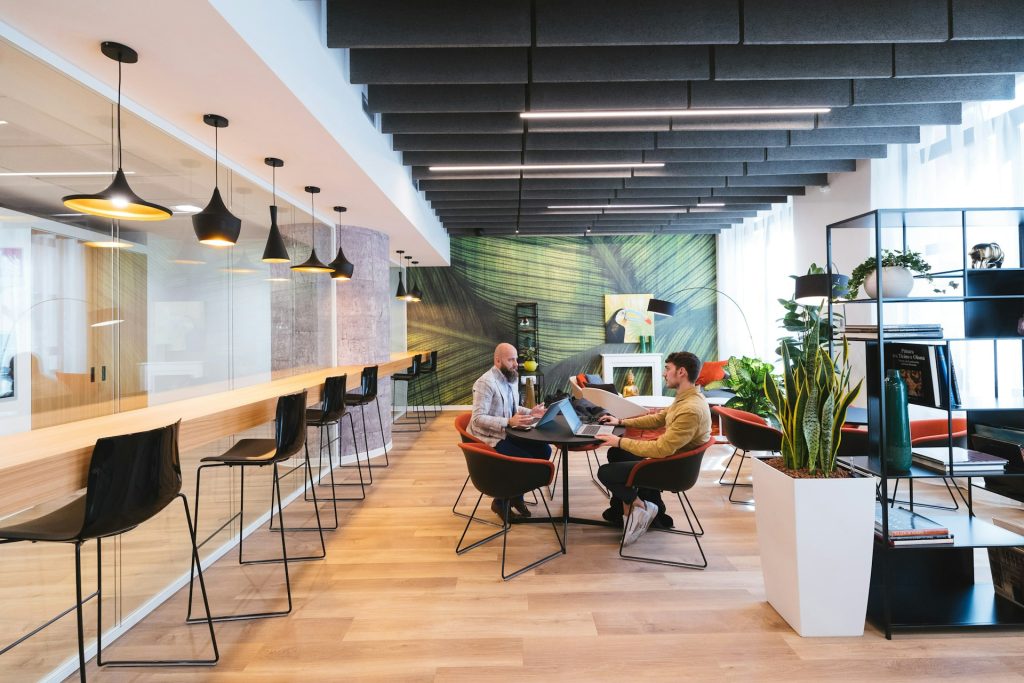
Lighting plays a critical role in shaping how employees feel and perform in the workplace. A thoughtfully designed lighting plan enhances comfort, supports focus, and contributes to overall productivity. Poor lighting, on the other hand, can cause fatigue, reduce concentration, and even impact long-term health. Creating an environment where light is both functional and welcoming is essential for modern offices.
Understanding Natural Light in the Workplace
Natural light is the most beneficial form of illumination in any work environment. Exposure to sunlight regulates circadian rhythms, improves mood, and can increase focus levels throughout the day. Studies show that workplaces with more natural light experience higher satisfaction among employees and lower absenteeism rates.
While not every office can maximize windows or skylights, thoughtful placement of desks and open layouts can make a significant difference. Reflective surfaces and light-colored walls also help distribute natural light more effectively. In some cases, strategic use of blinds and shades can manage glare without sacrificing brightness. Finding the right balance ensures that employees enjoy the health and performance benefits that natural light brings.
Choosing the Right Artificial Lighting
Artificial lighting fills the gaps when natural light is insufficient. Selecting the right fixtures and bulbs can reduce eye strain and promote a more comfortable working atmosphere. Switching to LED bulbs is especially popular because it combines energy efficiency with longevity. Its ability to provide bright yet soft light makes it a reliable option for many offices.
Color temperature also matters. Cooler tones (around 4000K to 5000K) tend to support concentration, making them ideal for task-oriented spaces. Warmer tones (2700K to 3000K) create a more relaxed and inviting environment, which can work well in collaborative or lounge areas. The right combination of lighting types ensures that the office supports different tasks and moods effectively.
Task Lighting for Individual Needs
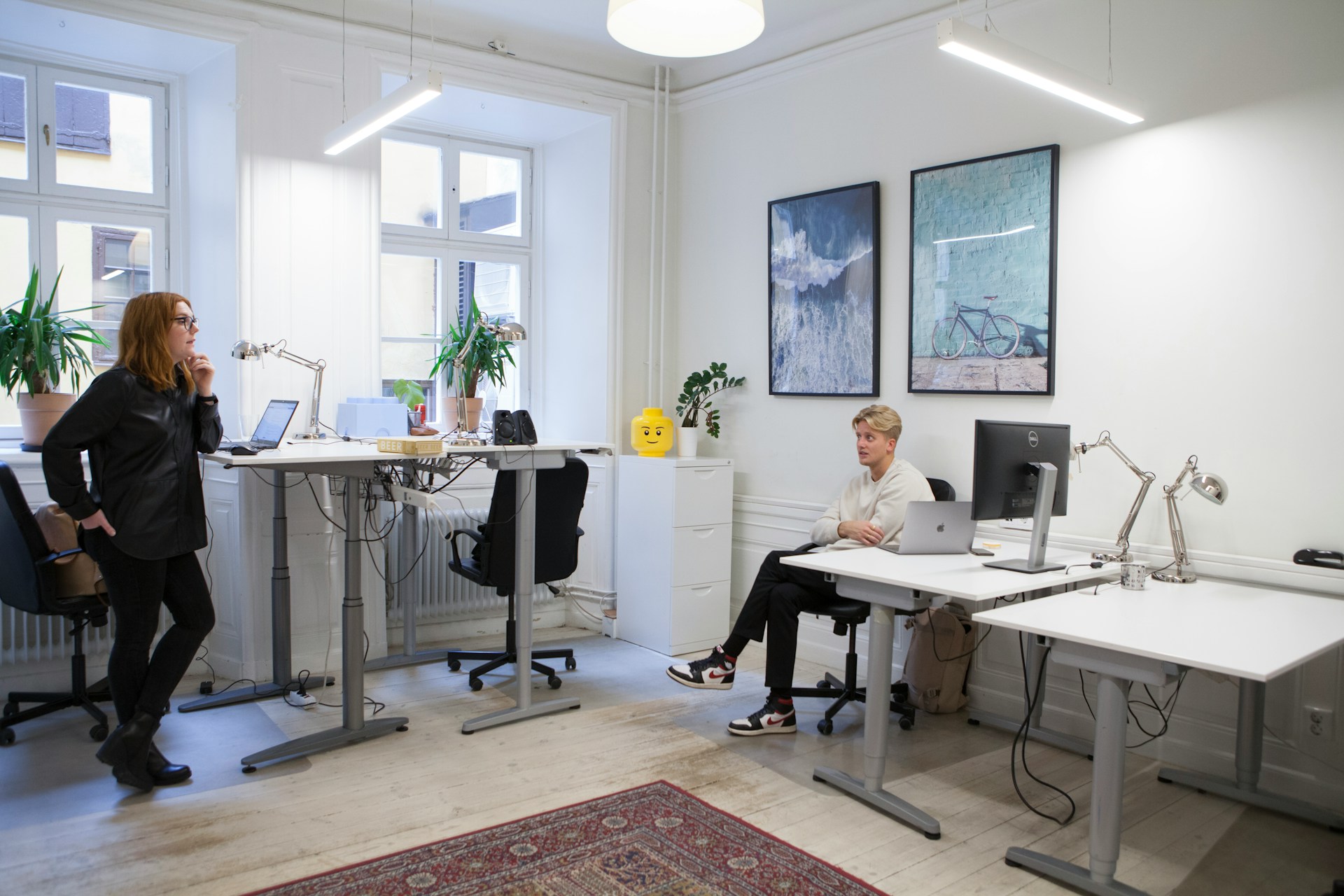
Every workspace benefits from additional task lighting. Desk lamps, under-cabinet lights, and adjustable fixtures allow employees to control brightness based on their preferences. This added flexibility helps reduce glare from overhead lights and minimizes strain during detailed tasks such as reading or working on a computer.
Placement is just as important as intensity. Lights should be positioned to avoid casting shadows on work surfaces or screens. Adjustable options provide the most benefit, as they allow workers to adapt lighting for changing tasks throughout the day. Offering this degree of control empowers employees to create conditions that suit their individual needs, improving comfort and productivity.
Balancing Aesthetics and Functionality
Office design goes beyond practical lighting. A workspace should also be visually appealing, and lighting plays a central role in setting the mood. Decorative fixtures can serve as focal points while also providing adequate illumination. For instance, companies looking to enhance style and function in their spaces might draw inspiration from vanity light designs for every bathroom, which combine aesthetics with purpose in a seamless way. This approach demonstrates how design elements can serve multiple needs in professional environments.
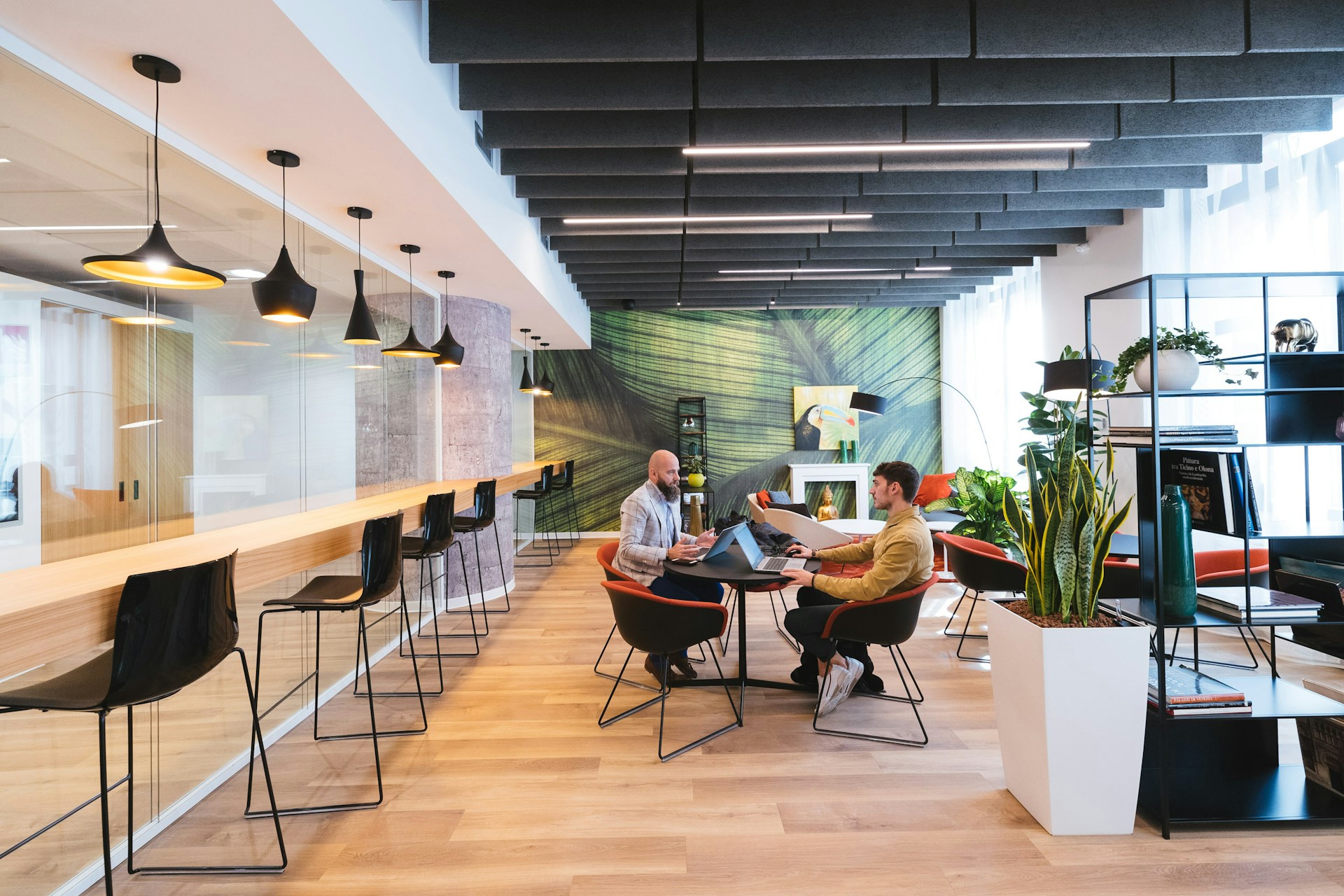
Aesthetic considerations also extend to color schemes, materials, and fixture placement. Sleek pendant lights or wall-mounted fixtures can complement modern office décor, while more traditional designs can match classic interiors. Striking the right balance ensures the lighting setup contributes to both productivity and a pleasant atmosphere.
Reducing Glare and Eye Strain
One of the most common workplace complaints relates to glare and its impact on vision. Excessive brightness from screens, reflective surfaces, or poorly positioned lights can lead to eye fatigue, headaches, and reduced focus. To counter these effects, offices can integrate diffused lighting and anti-glare filters on monitors. Adjustable blinds on windows also help regulate sunlight intensity during peak hours.
Encouraging employees to take short breaks away from screens can further alleviate strain. Incorporating softer lighting in break areas allows workers to rest their eyes before returning to tasks. By minimizing glare and providing balanced illumination, companies can foster healthier work habits and greater efficiency.
Creating a Dynamic Lighting Strategy
Effective office lighting requires flexibility. Different times of day and varying tasks call for adaptable solutions. Layered lighting, which combines ambient, task, and accent lighting, is one of the most effective strategies. This setup ensures that the office remains versatile, supporting everything from focused work to collaborative sessions.
Smart lighting systems add another dimension, allowing brightness and color temperature adjustments with ease. Automated schedules can mimic natural daylight patterns, boosting energy levels and aligning with natural rhythms. By investing in adaptable solutions, organizations can create environments that meet both the practical and psychological needs of employees.
Lighting design is more than just an afterthought in office planning. It directly influences mood, focus, and overall output. By combining natural light, effective artificial solutions, and thoughtful design elements, businesses can build spaces that encourage well-being and productivity. A balanced and flexible approach ensures that the office remains a place where people can thrive.