
Looking for a loan but worried about your credit score? You’re not alone. Many people need quick cash but find traditional loans out of reach because of their credit history. The good news is that options exist, even if you have less-than-perfect credit. We’ll explore how to find no credit check loans with guaranteed approval from direct lenders, making the process simpler and more accessible for you.
Key Takeaways
- No credit check loans with guaranteed approval from direct lenders aim to help people with bad credit get funding without a deep dive into their credit history.
- Direct lenders handle the entire loan process themselves, from application to funding, offering a more straightforward experience.
- Focusing on your income and ability to repay is often more important for these lenders than your credit score.
- To boost your chances, provide accurate info, show you have stable income, and keep your bank account in good shape.
- Always be aware of potential scams and predatory practices; legitimate lenders won’t promise guaranteed approval or ask for upfront fees.
Understanding No Credit Check Loans Guaranteed Approval Direct Lender Options

When you’re looking for funds and your credit history isn’t perfect, the idea of "no credit check loans with guaranteed approval from direct lenders" can sound like a lifesaver. It paints a picture of quick, easy money without the usual hurdles. But what does this really mean, and how does it work?
Defining No Credit Check Loans and Guaranteed Approval
First off, let’s break down these terms. A "no credit check loan" generally means the lender won’t pull your traditional credit report from the major bureaus (like Equifax, Experian, or TransUnion) when you apply. Instead, they might look at other things to decide if they can lend to you. As for "guaranteed approval," this is where you need to be extra careful. Legitimate lenders almost never offer a 100% guarantee on loan approval before reviewing your specific situation. Promises of guaranteed approval are often a big red flag for scams or predatory offers. It’s more realistic to think of these as loans with flexible approval criteria, where your chances of getting approved might be higher even with a less-than-perfect credit score.
The Role of Direct Lenders in the Loan Process
Direct lenders are the actual companies or financial institutions that provide the loan funds. When you apply through a platform that connects you with direct lenders, you’re dealing with the entity that will be managing your loan, collecting payments, and ultimately approving or denying your application. This is different from a broker, who might connect you with multiple lenders but isn’t the one providing the money themselves. Working with a direct lender means a more straightforward process, as you’re communicating directly with the source of the funds.
Navigating the Landscape of Online Loan Platforms
Online platforms have made it easier to find lenders, especially those who specialize in no credit check options. These platforms often act as marketplaces, bringing together various direct lenders. They allow you to fill out one application and potentially receive offers from multiple lenders. However, it’s important to use these platforms wisely. They can be a great tool for comparing options and finding lenders who focus on factors other than just your credit score, like your income and ability to repay. But remember, these platforms don’t lend money themselves; they connect you to those who do. Always do your homework on the platform and the lenders it works with.
- Understand the Platform’s Role: Is it a direct lender, a broker, or a lead generator?
- Look for Transparency: Does the platform clearly explain how it works and who the lenders are?
- Compare Offers: Use the platform to see different loan terms and rates from various lenders.
Be wary of any offer that sounds too good to be true, especially those promising guaranteed approval without any review of your financial situation. Always prioritize lenders who are upfront about their terms and fees.
Exploring Alternatives to Traditional Credit Checks
When your credit history isn’t perfect, or perhaps you’re new to borrowing, the idea of a traditional loan can feel out of reach. Many lenders look closely at your credit score, and if it’s low, it can make getting approved tough. But here’s the good news: not all lenders operate that way. There are options available that focus on other aspects of your financial picture.
Focusing on Income and Repayment Ability
Instead of just looking at a credit score, many lenders are more interested in whether you can actually afford to pay back the loan. They want to see that you have a steady source of income that’s enough to cover the loan payments on top of your other regular expenses. This approach opens doors for people who might have had credit issues in the past but are now in a more stable financial situation.
How Lenders Assess Affordability Beyond Credit Scores
Lenders have a few ways to figure out if you can repay a loan without relying solely on your credit report. They’ll often ask for proof of income, like recent pay stubs or bank statements, to see how much money you’re bringing in regularly. They might also look at your banking history to see how you manage your money day-to-day. The goal is to get a clear picture of your current financial health and your capacity to handle new debt.
Here are some common factors lenders consider:
- Employment Status: Are you currently employed, and how long have you been with your current employer?
- Income Amount: How much do you earn each month after taxes?
- Banking Activity: Do you have a history of consistent deposits and responsible spending in your bank account?
- Debt-to-Income Ratio: What percentage of your monthly income already goes towards existing debts?
Lenders want to be reasonably sure that you can manage the loan payments without falling into financial trouble. They look at your income and spending habits to gauge your ability to repay.
Types of Loans Available with Flexible Criteria
Because lenders are looking beyond credit scores, you can find various loan types that might work for you. These often include personal loans designed for people with less-than-perfect credit. While the term "guaranteed approval" can be misleading, these lenders offer a higher chance of getting approved if you meet their income and repayment ability requirements. You might find options for:
- Personal Loans: These can be used for almost any purpose, from consolidating debt to covering unexpected expenses.
- Installment Loans: These are repaid over a set period with regular, fixed payments.
- Lines of Credit: Similar to a credit card, you can borrow up to a certain limit and repay it as needed.
How to Increase Your Chances of Loan Approval
Securing a loan, especially one without a traditional credit check, often comes down to how well you present your financial situation to potential lenders. While some lenders focus less on credit scores, they still need to feel confident that you can repay the money. Making your application as strong as possible is key.
Providing Accurate and Complete Application Information
When you fill out a loan application, accuracy is really important. Double-check all the details you enter, like your name, address, and employment history. Any mistakes or missing information can slow down the process or even lead to an automatic rejection. Lenders want to see that you’re paying attention to detail, and a sloppy application can make them wonder about your ability to manage a loan responsibly.
Demonstrating Consistent Income Stability
Many lenders who offer no credit check loans look closely at your income. They want to see that you have a steady source of money coming in regularly. This could be from a job, self-employment, or even certain government benefits. Showing a consistent income history, perhaps over several months or even a year, can make lenders feel more secure about your ability to make payments on time. It’s not just about how much you earn, but how reliably you earn it.
Maintaining an Active and Healthy Bank Account
Your bank account can tell a lender a lot about your financial habits. Having an active account that you use regularly, with a history of managing your money well, can be a positive sign. Lenders might look at your average balance and how you handle deposits and withdrawals. An account that shows consistent activity and avoids frequent overdrafts suggests you’re financially organized, which can improve your chances of getting approved.
Lenders are looking for signs that you can manage your finances responsibly. Presenting a clear picture of your income and banking habits helps build their confidence in your ability to repay the loan.
The Process of Obtaining a Loan Through Online Platforms
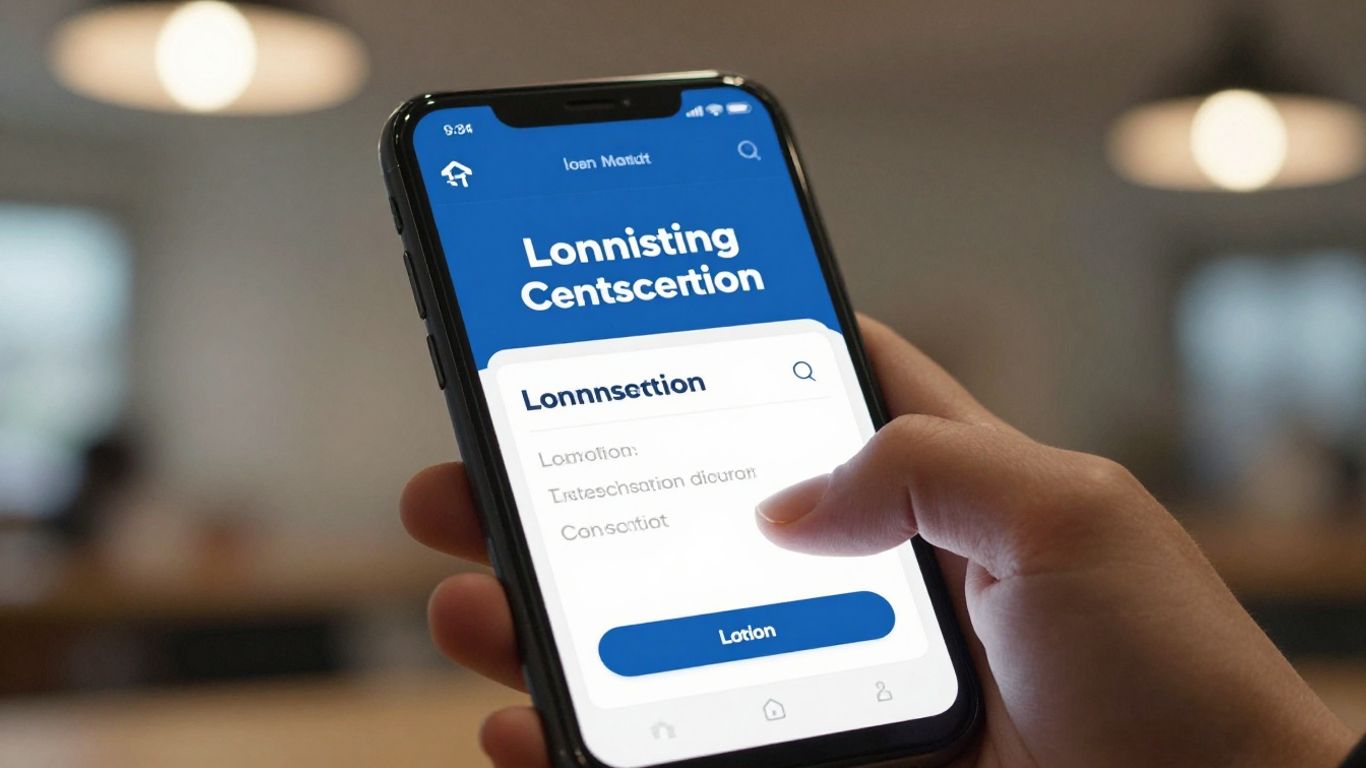
Securing a loan through an online platform might seem complicated, but it’s often a straightforward process designed for speed and convenience. Think of it like ordering something online – you fill out a form, get some options, and then finalize your choice. Here’s a breakdown of what you can generally expect when you use these services to find loan options that don’t heavily rely on your credit history.
Completing the Online Application Form
This is your starting point. You’ll typically find a short form on the platform’s website. It asks for basic personal details. This usually includes your full name, address, phone number, and email. You’ll also state the amount of money you’re looking to borrow. The goal here is to gather enough initial information to see what kinds of lenders might be a good fit for you. It’s important to fill this out accurately, as any mistakes could slow things down later.
Submitting Financial and Income Details
After the initial personal information, the platform will ask for details about your financial situation. This is where they try to understand your ability to repay the loan, rather than just looking at your credit score. You’ll likely need to provide information about:
- Your income source: Are you employed, self-employed, or do you receive benefits?
- Your employment status: How long have you been with your current employer?
- Your estimated monthly income: A general idea of how much you earn each month.
- Your bank account details: Lenders often require an active checking account for verification and to deposit funds. This also helps them see your financial activity.
This information helps connect you with lenders who focus on these factors for approval.
Receiving and Reviewing Lender Offers
Once you’ve submitted your application and financial details, the platform will work to match you with potential lenders. If a lender finds your application meets their criteria, they might send you a loan offer. This offer will lay out all the important details:
- The loan amount being offered.
- The repayment period (how long you have to pay it back).
- The interest rate (APR – Annual Percentage Rate).
- Any associated fees.
It’s really important to read these offers carefully before accepting anything. You’re not obligated to take an offer just because you receive it. Take your time to compare different offers if you get more than one, and make sure you understand all the terms and conditions. This step is all about making an informed decision that works for your budget.
Remember, the platform itself usually doesn’t approve or deny loans. It acts as a go-between, connecting you with lenders who then make their own decisions based on the information you provide and their specific lending rules. This means the final approval and funding come directly from the lender you choose.
Avoiding Scams and Predatory Lending Practices
When you’re looking for a loan, especially one that doesn’t require a credit check, it’s really important to be careful. The online world has a lot of options, but unfortunately, it also has people trying to take advantage of others. Scammers and predatory lenders often target people who might be in a tough spot financially, making it seem like they have the perfect solution. Staying alert can save you a lot of trouble and money.
Identifying Red Flags in Loan Offers
Some things just don’t add up when it comes to loan offers. Legitimate lenders want to help you, but they also follow rules. If an offer seems too good to be true, it probably is. Here are some common warning signs to watch out for:
- Guaranteed Approval Claims: No reputable lender can promise approval without looking at your application and financial details. If a lender says you’re guaranteed to get the loan no matter what, that’s a big red flag.
- Upfront Fees: Be very wary of any lender that asks for money before they even give you the loan. This includes application fees, processing fees, or any kind of "insurance" payment. Legitimate lenders usually deduct their fees from the loan amount itself or get paid after the loan is funded.
- Pressure Tactics: Scammers often try to rush you into making a decision. They might say the offer is only good for a short time or that you need to act immediately. This is designed to stop you from thinking things through or comparing offers.
- Vague or Missing Terms: A real loan agreement will clearly state the interest rate (APR), all fees, the repayment schedule, and what happens if you pay late. If a lender is unclear about these details or avoids putting them in writing, it’s a sign they might be hiding something.
- Unsolicited Contact: Be cautious if a lender contacts you out of the blue, especially through social media or unexpected emails, and offers you a loan. While some legitimate lenders might reach out, it’s often a tactic used by scammers.
The Importance of Verifying Lender Legitimacy
Before you even think about accepting a loan, you need to make sure the lender is real and trustworthy. It takes a little effort, but it’s worth it.
- Check for a Physical Address and Contact Information: Look for a legitimate business address and phone number. If they only provide a P.O. box or a generic email address, be suspicious.
- Research Online: Search for the lender’s name online. See if they have a professional website. Look for reviews from other customers, but be aware that even scammers can fake positive reviews. Check if they are registered with any financial regulatory bodies in your state or country.
- Understand Licensing: Many states require lenders to be licensed. You can often check with your state’s banking or financial services department to see if the lender is properly licensed to operate in your area.
Predatory lenders often operate with a lack of transparency, making it difficult for borrowers to understand the true cost of a loan. They might use confusing language or hide important details in fine print. Always take the time to read everything carefully and ask questions until you are completely satisfied with the answers.
Understanding Loan Terms and Conditions
Even with a legitimate lender, it’s your responsibility to understand exactly what you’re agreeing to. Don’t just skim the document; read it thoroughly.
- Interest Rate (APR): This is the total cost of borrowing money over a year, including fees. Make sure you know what the APR is and how it compares to other options.
- Fees: Be aware of all potential fees, such as origination fees, late payment fees, and returned payment fees.
- Repayment Schedule: Know exactly when each payment is due and how much you need to pay. Understand the consequences of missing a payment.
- Loan Amount vs. Total Cost: Calculate how much you will end up paying back in total, including interest and fees, over the life of the loan. Sometimes, a small loan can end up costing you much more than you initially borrowed.
- Early Repayment Penalties: Some loans charge a fee if you pay them off early. Check if this is the case, as paying off a loan early can often save you money on interest.
Responsible Borrowing and Financial Well-being
Getting a loan, especially one without a credit check, can feel like a quick fix, but it’s really important to think about the bigger picture. Loans are tools, and like any tool, they can be helpful or harmful depending on how you use them. Making sure you can actually pay the money back and that it fits into your life long-term is key.
Assessing Your Repayment Capacity
Before you even think about clicking "apply," take a hard look at your income and your regular expenses. Can you comfortably make the monthly payments without cutting into essentials like rent, food, or utilities? It’s not just about having enough money today, but also about being able to manage it for the entire loan period. A good way to start is by creating a simple budget. List out all your income sources and then all your monthly bills and spending. See where your money is actually going.
Here’s a basic way to look at it:
- Income: All the money you bring in each month.
- Fixed Expenses: Bills that are the same every month (rent/mortgage, loan payments, insurance).
- Variable Expenses: Costs that change (groceries, gas, entertainment).
- Savings/Debt Repayment: What’s left over for your goals or paying down debt.
If your expenses are already eating up most of your income, adding another loan payment could be a real strain.
Considering Long-Term Financial Goals
Think about what you want your financial future to look like. Are you trying to save for a down payment on a house, pay off other debts, or build up an emergency fund? A new loan payment will affect your ability to reach those goals. Sometimes, taking on a loan now might mean delaying other important financial steps. It’s a trade-off. You need to decide if the immediate need for the loan outweighs the potential impact on your future plans.
Borrowing money should align with your financial aspirations, not work against them. It’s about making choices today that support the life you want to build tomorrow.
Loans as Tools for Financial Needs
Loans can be incredibly useful when they’re used for the right reasons and managed properly. For example, a loan might help you consolidate high-interest debt into a single, more manageable payment, potentially saving you money on interest over time. Or, it could help you cover an unexpected but necessary expense, like a car repair that’s vital for getting to work. The trick is to view the loan as a temporary solution to a specific problem, not a permanent fix for ongoing financial issues. If you find yourself needing loans repeatedly, it might be a sign to look deeper into your spending habits or income situation.
Remember, responsible borrowing means understanding the full impact of a loan on your finances, both now and in the future.
Final Thoughts on No Credit Check Loans
Exploring options for loans without a credit check, especially when direct lenders are involved, can feel like a maze. While the idea of guaranteed approval is appealing, it’s important to remember that legitimate lenders always review applications. Platforms like PickaLender aim to simplify this process by connecting you with lenders who might look beyond just your credit score, focusing more on your income and ability to repay. Always be cautious of offers that seem too good to be true, especially those asking for upfront fees or making unrealistic promises. By staying informed, comparing your options carefully, and understanding all the terms, you can make a more confident decision about your borrowing needs.
Frequently Asked Questions
What exactly are ‘no credit check loans’?
Think of a credit check like a quick look at your past money habits. A ‘no credit check loan’ means the lender doesn’t look at your credit report to decide if they’ll lend you money. Instead, they focus more on if you have a steady job and can pay the money back.
Can I really get ‘guaranteed approval’?
Be careful with that word! ‘Guaranteed approval’ is often used to get your attention, but it’s not usually real. Legitimate lenders will always review your application. While some lenders might have easier rules for people with less-than-perfect credit, no one can promise you’ll get a loan for sure without looking at your details.
Who are ‘direct lenders’?
A direct lender is the company that actually gives you the loan money. They aren’t a middleman. When you deal with a direct lender, you’re working straight with the company that decides if you get the loan and handles all the paperwork and payments.
How do lenders decide if I can repay if they don’t check my credit?
If a lender doesn’t check your credit score, they’ll look at other things. They’ll want to see proof that you have a regular income, like from a job or other sources. They’ll also check your bank account to see how you manage your money and if you have enough coming in to cover the loan payments.
What should I watch out for to avoid loan scams?
Watch out for lenders who promise guaranteed approval, ask for money upfront before giving you the loan, or have unclear terms about fees and interest rates. Always check if the lender is real and has a proper address and contact information. If something feels off, it probably is.
How can I make sure I’m borrowing responsibly?
Before you take out a loan, think hard about whether you can afford to pay it back on time. Look at your budget and make sure the loan payment won’t cause problems for you later. It’s best to borrow only what you truly need and have a clear plan for repayment.

Peyman Khosravani is a global blockchain and digital transformation expert with a passion for marketing, futuristic ideas, analytics insights, startup businesses, and effective communications. He has extensive experience in blockchain and DeFi projects and is committed to using technology to bring justice and fairness to society and promote freedom. Peyman has worked with international organizations to improve digital transformation strategies and data-gathering strategies that help identify customer touchpoints and sources of data that tell the story of what is happening. With his expertise in blockchain, digital transformation, marketing, analytics insights, startup businesses, and effective communications, Peyman is dedicated to helping businesses succeed in the digital age. He believes that technology can be used as a tool for positive change in the world.