
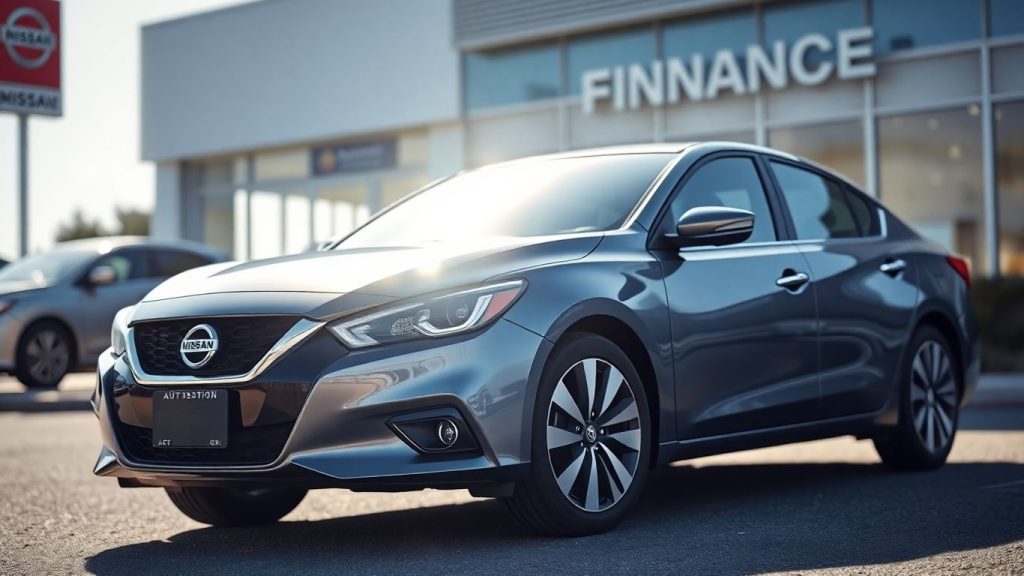
Thinking about getting a new Nissan? That’s exciting! But before you drive off the lot, you’ve got to sort out the money side of things. Nissan finance can seem a bit much at first, with all the talk of loans and leases. This guide is here to break it all down, making Nissan finance easier to understand so you can get behind the wheel with confidence. We’ll cover what you need to know about Nissan finance, from applying to managing your account.
Key Takeaways
- Nissan finance offers both buying and leasing options to suit different driver needs.
- Getting your credit score and financial papers ready beforehand helps the Nissan finance application process.
- Use the Nissan finance calculator online to get a good idea of what your monthly payments might look like.
- Carefully read all the terms and conditions before signing any Nissan finance agreement.
- After getting your car, make sure to manage your payments and know how to contact Nissan finance support if needed.
Understanding Your Nissan Finance Options
When you’re ready to drive home in a new Nissan, figuring out how to pay for it is the next big step. Nissan offers a couple of main paths to get you behind the wheel: buying with a loan or leasing. Each has its own set of advantages, and the best choice really depends on what you’re looking for in a car ownership experience.
Exploring Purchase Loans
Opting for a purchase loan means you’re planning to own the vehicle outright. This is a pretty traditional route. You borrow money from Nissan Finance (or another lender) to cover the cost of the car, and then you pay that money back over time with interest. Once the loan is fully paid off, the car is completely yours. This gives you the freedom to keep the car for as long as you want, customize it however you like, and you won’t have to worry about mileage limits or wear-and-tear charges when you decide to sell it down the road.
Navigating Leasing Agreements
Leasing is a bit different. Instead of buying the car, you’re essentially renting it for a set period, usually two to four years. This typically means your monthly payments are lower than they would be with a loan because you’re only paying for the car’s depreciation during the lease term, not its full value. At the end of the lease, you have a few options: you can return the car, buy it for its remaining value, or lease a new one. It’s a great option if you like driving a new car every few years and prefer predictable, often lower, monthly costs.
Benefits of Nissan Finance
Working directly with Nissan Finance can simplify the whole process. They often have special deals and incentives, like lower interest rates or special lease offers, that you might not find elsewhere. Plus, since they specialize in Nissan vehicles, they tend to have a good understanding of what buyers and lessees need. It can make getting approved and finalizing the paperwork a bit smoother, especially when you’re already working with a Nissan dealership.
Choosing between buying and leasing isn’t just about the numbers; it’s about how you plan to use your vehicle and what your long-term goals are. Think about how many miles you drive annually and whether you enjoy having the latest model or prefer the stability of owning your car.
Here’s a quick look at the core differences:
- Purchase Loan:
- Builds equity over time.
- No mileage restrictions.
- Freedom to customize.
- Vehicle is yours after payoff.
- Leasing:
- Often lower monthly payments.
- Drive a new car more frequently.
- Warranty coverage often lasts the lease term.
- Predictable end-of-lease options.
Preparing Your Nissan Finance Application
Getting ready to apply for financing for your new Nissan is a smart move. It means you’re taking control and making sure you have all your ducks in a row before you even start. This preparation can make the whole process smoother and help you get the best terms possible.
Assessing Your Creditworthiness
Your credit score is a big piece of the puzzle when it comes to auto loans and leases. Lenders use it to gauge how likely you are to repay borrowed money. A higher score generally means better interest rates and more favorable loan terms. It’s a good idea to check your credit report before you apply. You can get a free copy from each of the three major credit bureaus (Equifax, Experian, and TransUnion) once a year. Look for any errors and dispute them if you find any. If your credit isn’t where you’d like it to be, there are steps you can take to improve it, like paying bills on time and reducing outstanding debt.
Gathering Necessary Financial Documents
When you apply for financing, the lender will want to see proof that you can handle the payments. This usually means providing documentation about your income and employment. Be ready to present:
- Proof of Income: Recent pay stubs (typically the last two or three), W-2 forms, or tax returns if you’re self-employed.
- Proof of Employment: Sometimes a letter from your employer or a quick verification call is needed.
- Proof of Address: Utility bills or bank statements showing your current address.
- Identification: A valid driver’s license or other government-issued ID.
Having these documents ready to go will speed up the application process considerably.
Utilizing the Online Finance Calculator
Nissan’s website offers a handy finance calculator. This tool is great for playing around with different scenarios. You can input various down payment amounts, loan terms (like 36, 48, 60, or 72 months), and estimated interest rates to see how they affect your potential monthly payments. It’s a no-pressure way to get a realistic idea of what you can afford and to compare different financing options before you even speak to a sales representative.
Understanding your potential monthly payments upfront can prevent surprises down the road and help you make a more informed decision about the vehicle and the financing plan that best fits your budget.
Choosing Between Leasing and Financing
Deciding whether to lease or finance your next Nissan is a significant choice, and it really comes down to what you want from your car ownership experience. Both options have their own set of advantages, and understanding them can help you make the best decision for your budget and lifestyle.
Advantages of Leasing a Nissan
Leasing can be a great option if you like to drive a new car every few years and prefer lower monthly payments. With a lease, you’re essentially renting the vehicle for a set period, usually two to four years. This means your monthly payments are typically lower than if you were financing to buy the car, as you’re only paying for the depreciation during the lease term, not the full purchase price.
- Lower Monthly Payments: Generally, lease payments are less than loan payments for the same vehicle and term.
- Drive a New Car More Often: Leases allow you to upgrade to the latest models every few years, keeping you in the newest technology and designs.
- Warranty Coverage: Most leases fall within the manufacturer’s warranty period, meaning fewer unexpected repair costs.
- Simpler Return Process: At the end of the lease, you can typically just return the car (though there might be fees for excess wear or mileage).
Leasing is often favored by those who want predictable costs and the flexibility to change vehicles frequently, without the long-term commitment of ownership.
Benefits of Purchasing a Nissan
Financing to purchase your Nissan means you’re working towards owning the vehicle outright. This route builds equity over time and gives you the freedom to do whatever you want with the car once the loan is paid off.
- Ownership and Equity: You own the vehicle and build equity with each payment. Eventually, you’ll have a valuable asset.
- No Mileage Restrictions: Once you own the car, you can drive as much as you want without worrying about exceeding mileage limits and incurring extra charges.
- Customization Freedom: You can modify your vehicle however you like, from adding accessories to changing the paint color.
- Long-Term Savings: After the loan is paid off, you’ll have no monthly car payments, leading to significant long-term savings.
Aligning Your Choice with Your Lifestyle
When you’re trying to decide, think about your driving habits and financial goals. If you drive a lot of miles each year, or if you plan to keep your car for many years, purchasing might be more economical. On the other hand, if you enjoy having the latest features, prefer lower monthly outlays, and don’t mind changing cars every few years, leasing could be the better fit. It’s also worth considering your credit situation and how much of a down payment you’re comfortable making. Nissan Finance offers tools to help you estimate payments for both scenarios, so you can compare them side-by-side and see what works best for you.
The Nissan Finance Application Process

Applying for financing for your new Nissan might seem like a big step, but Nissan makes it pretty straightforward. Think of it like gathering the ingredients before you bake a cake – having everything ready makes the process much smoother. This section breaks down what you can expect when you’re ready to submit your application.
Completing the Online Application
Most people start their finance journey online, and for good reason. The Nissan website usually has a dedicated finance section where you can fill out an application form. You’ll be asked for standard personal information, like your name, address, and contact details. Beyond that, they’ll need some financial details to assess your application. This typically includes information about your employment, income, and possibly your housing costs. It’s important to fill this out as accurately as possible; double-checking your entries can save you a lot of back-and-forth later.
Understanding Eligibility Criteria
Nissan Finance, like any lender, has criteria they look at to decide on loan or lease approvals. Your credit history plays a significant role in this process. A good credit score generally means you’re seen as a lower risk, which can lead to better interest rates and terms. However, Nissan Finance often works with a variety of credit situations. They understand that life happens, and they may have options available even if your credit isn’t perfect. Factors like your income stability and debt-to-income ratio are also considered. They want to make sure the monthly payments fit comfortably within your budget.
What to Expect After Submission
Once you hit submit on your application, there’s usually a waiting period. Typically, you’ll hear back from Nissan Finance within a few business days. Sometimes, they might need a bit more information to complete their review, so keep an eye on your email or phone. If approved, you’ll receive details about the loan or lease terms offered. This is when you’ll work with the dealership to finalize the specifics of your agreement, including the exact vehicle you’ve chosen and any additional features or protection plans you might want. It’s a good idea to have a general idea of your budget beforehand, so you can compare the approved offer against what you’re comfortable with.
It’s always a good idea to have a clear picture of your budget before you start the application. Knowing how much you can comfortably afford for a monthly payment will help you make informed decisions throughout the process and ensure you’re happy with your final agreement.
Finalizing Your Nissan Finance Agreement

Reviewing Loan Terms and Conditions
So, you’ve gone through the application, and Nissan Finance has given you the green light. That’s fantastic news! Before you drive off the lot in your new Nissan, there’s one more important step: carefully reviewing and signing your finance agreement. Think of this as the final handshake that seals the deal. It’s where all the details we’ve discussed come together in writing. You’ll want to take your time here, read everything, and make sure you’re comfortable with all the terms.
Here’s what you should pay close attention to:
- Principal Amount: This is the total amount you’re borrowing for the vehicle.
- Interest Rate (APR): Understand the annual percentage rate. This is how much the loan will cost you over time.
- Loan Term: This is the length of the loan, usually in months. A longer term means lower monthly payments but more interest paid overall.
- Monthly Payment: The exact amount you’ll need to pay each month.
- Fees: Look out for any origination fees, late payment fees, or early payoff penalties.
- Total Cost: This is the sum of all your payments, including interest and fees, over the life of the loan.
Don’t hesitate to ask questions if anything is unclear. The finance manager is there to explain the agreement, and it’s your right to understand every part of it before you sign.
Understanding Additional Offerings
During the finalization process, the finance team might present you with optional add-ons. These can include things like extended warranties, GAP insurance, tire and wheel protection, or maintenance plans. While these can provide extra peace of mind and protection, it’s important to consider if they fit your needs and budget. Think about how long you plan to keep the car and what kind of coverage you feel you need. You don’t have to accept any of these extras if you don’t want them.
Taking Delivery of Your New Nissan
Once the paperwork is signed and all the financial arrangements are complete, it’s time for the exciting part: taking delivery of your new Nissan! The dealership will typically walk you through your vehicle’s features, demonstrate how everything works, and ensure you’re comfortable operating your new car. They’ll also provide you with your keys, owner’s manual, and any other necessary documentation. Congratulations, you’ve successfully finalized your Nissan finance agreement and are ready to hit the road!
Managing Your Nissan Finance Account
Making Payments and Understanding Due Dates
Once you’ve finalized your Nissan finance agreement, the next step is managing your account responsibly. This means staying on top of your payments to avoid any late fees or negative impacts on your credit. Your agreement will clearly state your monthly payment amount and the due date. It’s a good idea to mark this date on your calendar or set up automatic payments through your bank or directly with Nissan Finance. Automatic payments are a great way to ensure you never miss a due date, and many find it simplifies their monthly budgeting.
Exploring Refinancing Opportunities
Life circumstances can change, and sometimes your current loan terms might not fit your needs as well as they used to. If you’re looking to potentially lower your monthly payments, shorten your loan term, or get a better interest rate, exploring refinancing could be a smart move. Refinancing involves getting a new loan to pay off your existing one, often with different terms. It’s worth looking into if interest rates have dropped since you took out your original loan or if your credit score has improved significantly, as this could qualify you for better terms.
Contacting Nissan Finance Support
Should you have any questions about your account, need to discuss payment options, or want to explore refinancing, reaching out to Nissan Finance support is straightforward. They have customer service representatives ready to assist you. You can usually find contact information, including phone numbers and online chat options, on the official Nissan Finance website or within your account portal. Don’t hesitate to contact them if you encounter any issues or have queries about your agreement.
Keeping your account in good standing is key to a positive ownership experience. Proactive communication with Nissan Finance can help resolve potential issues before they become major problems.
Final Thoughts on Your Nissan Financing Journey
So, you’ve looked into Nissan finance options, maybe crunched some numbers with their calculator, and figured out if a loan or a lease makes more sense for you. It might seem like a lot at first, but breaking it down step-by-step really does make it manageable. Remember to have your documents ready and read through everything before you sign. Getting behind the wheel of a new Nissan should be exciting, and understanding your financing makes that whole process smoother. Happy driving!
Frequently Asked Questions
What’s the difference between buying and leasing a Nissan?
Buying a Nissan means you own it completely once you’ve paid off the loan. Leasing is like renting a car for a set period, usually with lower monthly payments, but you don’t own it at the end. You can then lease a new one or buy it out.
How do I know if I’ll get approved for Nissan financing?
Nissan Finance looks at a few things, like your credit score and how much money you make. A good credit score and steady income help a lot. They work with different credit situations, so it’s worth applying even if your credit isn’t perfect.
Can I use the Nissan website to figure out my payments?
Yes, absolutely! Nissan has online tools, like a finance calculator. You can play around with different down payments, loan lengths, and interest rates to see what your monthly payments might look like. It’s a great way to plan your budget.
What documents do I need to apply for a car loan or lease?
You’ll usually need proof of your identity, like a driver’s license. You’ll also need to show proof of income, such as recent pay stubs or tax forms, to show you can afford the payments. Sometimes, they might ask for bank statements too.
What happens after I submit my Nissan finance application?
After you apply, Nissan Finance will review your information. They’ll check your credit and income. You’ll typically hear back within a few business days about whether you’re approved and what your loan or lease terms will be.
What if I have trouble making my Nissan finance payments?
If you think you might miss a payment, it’s super important to contact Nissan Finance right away. They can often work with you to find a solution, like setting up a different payment plan or offering a temporary break, to help you avoid bigger problems.

Peyman Khosravani is a global blockchain and digital transformation expert with a passion for marketing, futuristic ideas, analytics insights, startup businesses, and effective communications. He has extensive experience in blockchain and DeFi projects and is committed to using technology to bring justice and fairness to society and promote freedom. Peyman has worked with international organizations to improve digital transformation strategies and data-gathering strategies that help identify customer touchpoints and sources of data that tell the story of what is happening. With his expertise in blockchain, digital transformation, marketing, analytics insights, startup businesses, and effective communications, Peyman is dedicated to helping businesses succeed in the digital age. He believes that technology can be used as a tool for positive change in the world.








