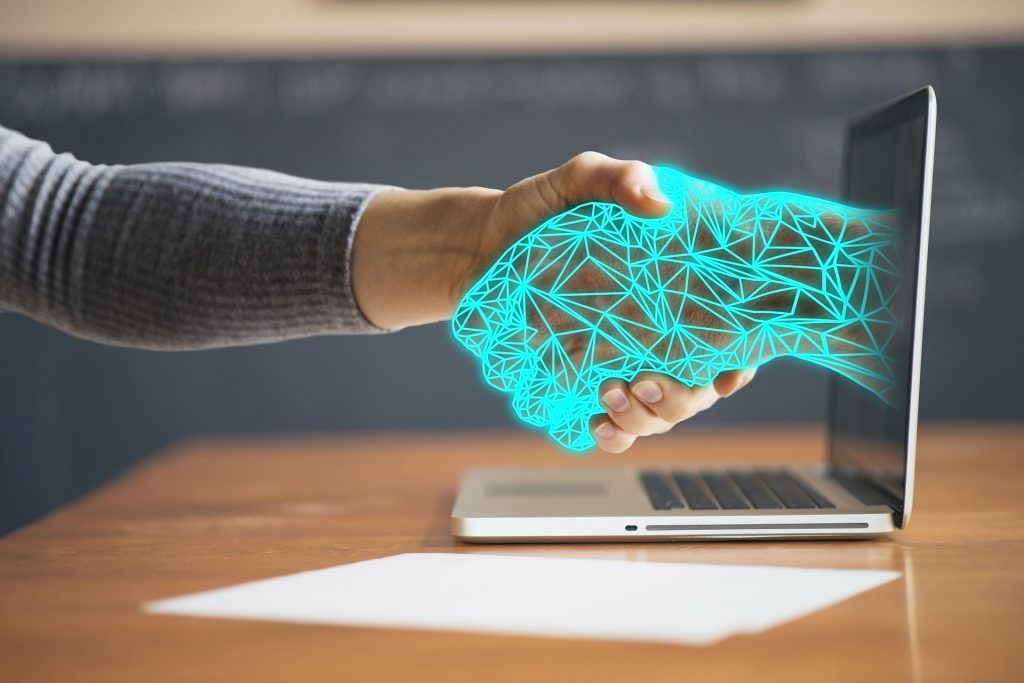
Technology demands leaders to anticipate change, not react to it. Emerging tools, new automation layers, and changing customer expectations push organizations to rethink traditional systems and processes.
Companies that adapt early gain operational advantages and stronger market positioning. As innovation accelerates, understand key trends for sustainability and competitiveness. Keep reading to explore the forces guiding the next era of business technology and highlight strategies that help organizations evolve with purpose.
Rising Importance of Intelligent Automation
Intelligent automation has moved beyond simple task execution and now influences how decisions take place across various business functions. Organizations blend machine learning with workflow automation to boost speed, accuracy, and adaptability. Many teams explore advanced communication tools that help them build real-time voice AI agents within broader automation ecosystems and enable new forms of customer interaction. These platforms reduce manual work and improve the flow of information across departments.
Companies that embrace such tools gain valuable insights faster and create more cohesive operational systems. Automation becomes smarter, and leaders must evaluate how these technologies integrate into long-term strategic goals.
The Expanding Role of Data-Driven Decision Making
Businesses now rely heavily on data ecosystems that unify information from multiple sources and deliver more actionable intelligence. Advanced analytics platforms help teams detect patterns, anticipate customer behaviors, and discover operational inefficiencies that previously went unnoticed.
Those who choose to build strong data cultures empower employees to make informed choices without waiting for centralized directives. Modern tools continue to lower the barrier to sophisticated analysis, making insights more accessible across departments.
Companies must respond quickly to shifting markets and growing consumer needs. As data investments grow, prioritizing quality and governance will guarantee long-term accuracy and trust across the organization.
Integration of AI Across Customer Experience Channels
Artificial intelligence is designed to create responsive, personalized, and scalable customer experiences. Companies blend AI-driven recommendations, dynamic content, and automated support to serve customers more efficiently. These capabilities help teams anticipate needs before users articulate them and improve satisfaction and loyalty.
Organizations that design seamless transitions between AI and human support deliver consistent value across digital channels. The technology enables more adaptive experiences that grow alongside customer behaviors. As expectations rise, businesses that master AI-enhanced engagement will differentiate themselves in competitive industries.
Cybersecurity as a Strategic Growth Driver
Cybersecurity no longer functions only as risk management: it directly impacts brand reputation, operational continuity, and customer trust. Threats evolve faster and require proactive defense strategies. Organizations invest in real-time monitoring and predictive threat analysis to anticipate vulnerabilities before they escalate.
Security teams collaborate with product, engineering, and leadership groups to embed protection into every technology layer. This integrated approach allows companies to innovate confidently without exposing critical systems. Building a culture of cybersecurity awareness so that every team member supports stronger digital resilience.
Cloud Evolution and Distributed Infrastructure Adoption
Cloud technology continues its transformation from simple storage to flexible, distributed computing environments that support global collaboration. Businesses migrate critical systems to the cloud to reduce maintenance burdens and improve scalability.
Modern cloud architectures enable faster experimentation, better performance, and improved alignment with agile development practices. Teams leverage hybrid and multi-cloud strategies to balance cost, security, and flexibility. Distributed infrastructure supports remote workforces and real-time collaboration across regions. Companies must refine governance and cost-optimization strategies to maintain efficiency.
Human-Machine Collaboration in the Workplace
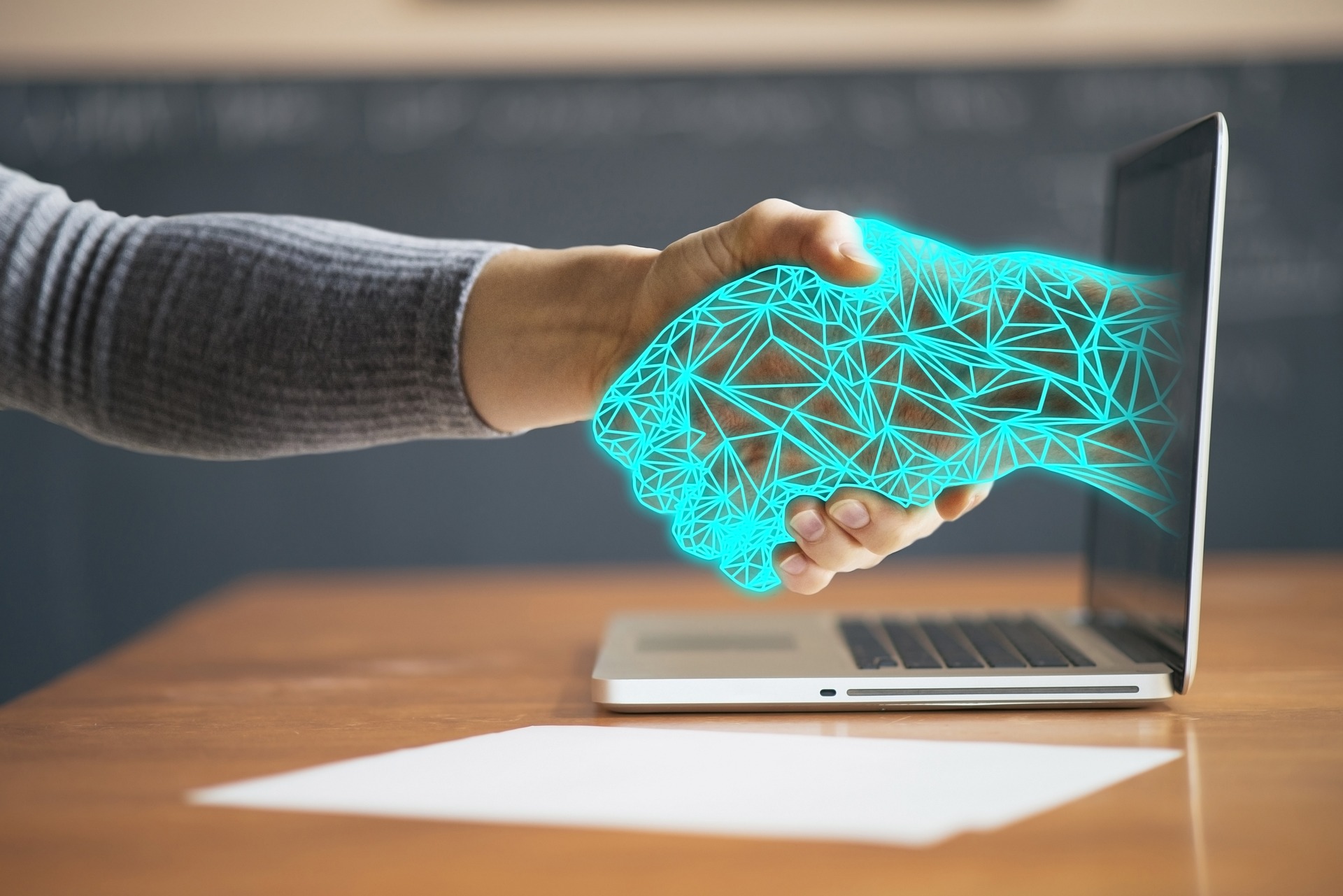
The future of work emphasizes collaboration between skilled professionals and advanced digital tools. AI-assisted platforms help employees focus on creative, analytical, and strategic responsibilities by reducing repetitive workloads. Teams use intelligent assistants, automated research systems, and predictive analytics to strengthen problem-solving capabilities.
They encourage continuous learning and empower employees to refine technical and soft skills simultaneously. Organizations that invest in thoughtful integration cultivate workforce adaptability and innovation. Leaders must secure human strength in business operations when using AI instead of overshadowing their employees’ capabilities.
Strategic Tech Adoption for Long-Term Competitiveness
Companies that approach technology with clear objectives gain more value than those that adopt tools reactively. Strategic planning helps leaders determine which innovations support customer needs, operational goals, and cultural alignment. This approach prevents unnecessary spending on platforms that fail to address long-term challenges.
Teams benefit from structured evaluation processes that measure potential impact before implementation. Those who prioritize scalable, secure, and adaptable technologies remain resilient during market shifts. With thoughtful planning, businesses position themselves to seize future opportunities more effectively.

Technology will continue to challenge and inspire businesses as they prepare for a changing future. Leaders who embrace innovation with clarity and purpose strengthen their organizations’ adaptability and competitiveness. By understanding key trends and choosing strategies that align with long-term goals, companies can navigate technological change with confidence.

A dad of 3 kids and a keen writer covering a range of topics such as Internet marketing, SEO and more! When not writing, he’s found behind a drum kit.