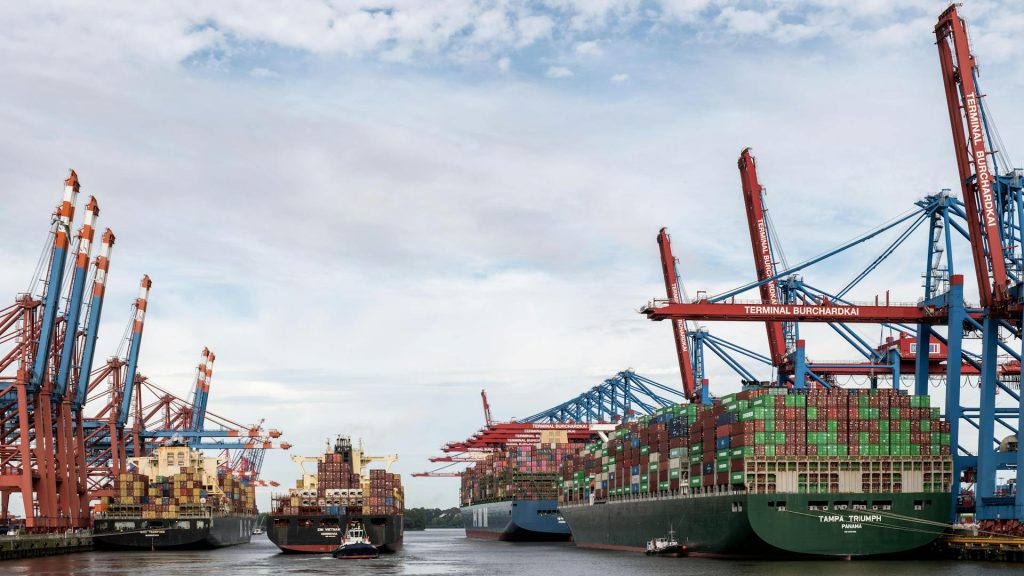
Expanding your business into other countries may sound exciting. More markets, more sales—what could go wrong? Quite a lot, actually. Many companies underestimate the time, cost, and effort needed to move machinery overseas. There are rules, delays, and plenty of expenses you didn’t expect. The hidden costs of going global can turn a growth plan into a financial drain if you’re not ready.

Moving Equipment Abroad: Logistics Can Break Your Budget
Shipping machines is not the same as shipping products. Heavy equipment often needs special freight, packaging, and permits. You can’t just call a shipping company and load it up. You need a specialist international courier that understands how to move bulky, high-value equipment across borders. As a matter of fact, machines might not meet import rules in some countries. That means customs could reject your cargo or hold it for weeks.
Damage during transport is also common. Machinery needs strong insurance, but many policies have fine print that limits claims. If you miss one document, your insurance may not pay. Besides, some countries require local handlers or escorts for special cargo, which adds more cost.
Choosing the wrong freight partner can delay your project. Regional shipping experts know local routes, holidays, and customs offices. Without them, you could face major slowdowns or higher fees. Always ask your shipping provider if they’ve worked in your target country. Always ask your shipping provider if they’ve worked in your target country—or consider working with a trusted partner like NXTPoint 3PL company, which specializes in handling complex international logistics.
Licensing Labyrinth: Legal Access Is a Slow Grind
Once your machines arrive, you can’t start work right away. You’ll likely need multiple licenses to operate in another country. Not to mention, the rules change depending on what kind of machine you’re using. Language differences and unclear documents often lead to confusion.
Some licenses require inspections or approvals from local agencies. That process can take weeks or even months. If your documents are incomplete, they send you back to the start. Hiring a local consultant may speed things up, but it’s another line item on your budget.
Check for hidden license costs. Some countries charge extra fees for fast-track approval or require bonds from foreign companies. That money can sit tied up for months.

Capt: The hidden costs of going global can sneak into every part of your project
Local Partnerships: The Smart Shortcut to Avoid Costly Mistakes
Expanding into a new country is hard to manage alone. Partnering with local firms can reduce risk and speed up the process. These partners already understand the rules, the market, and the local business habits. With this in mind, teaming up can save you time, money, and stress.
A trusted partner can help you register licenses, clear customs, and manage payroll. They know how to avoid common traps foreign businesses fall into. As a matter of fact, many delays happen because companies try to handle everything from afar.
Partners can also help you find skilled workers, negotiate with suppliers, and adapt your products or machines to local needs. They act as your on-the-ground support team. This kind of help is critical if you want to overcome the biggest challenges of going global.
Besides, many government programs offer support or tax breaks for businesses that work with local firms. That’s another hidden benefit that many miss.
In short, building strong local partnerships is not a bonus—it’s a necessity. It can mean the difference between success and costly failure.
Hidden Costs of Going Global: The Unseen Drains on Your Budget
The hidden costs of going global can sneak into every part of your project. With this in mind, budgeting becomes much harder than expected. Customs duties, port taxes, and local admin fees often go unplanned. You may also need certified translations of technical documents, contracts, and labels.
Your team might need new training to meet local safety rules. That includes machine operators and repair staff. In some places, you can’t even plug in your machines without a certified local technician.
Machine changes may be required too. For example, voltage levels or emissions laws may differ. If your machine doesn’t meet those rules, you’ll have to modify it. That costs money and time.
Each delay means more than just waiting. It means workers get paid while doing nothing, and opportunities go cold. In contrast, growing production locally usually avoids these hurdles.

Capt: Your team might need new training to meet local safety rules
Labor, Taxes, and the Trap of ‘Cheap Markets’
Cheap labor doesn’t always save you money. Training new workers to run your equipment takes time and patience. If there’s a language barrier, you’ll need translators. If the local workforce isn’t familiar with your tech, expect slower results.
Similarly, tax systems and tariffs can surprise you. Some countries have fees for foreign-owned businesses or require extra permits. You may face taxes on profits, imports, or even machine use.
Labor rules may also limit how you manage your team. Many places have strict hiring laws, required benefits, and detailed reporting rules. Another key point—some governments tax your profits again when you move money back home. These “repatriation” taxes eat into your margins.
Tech and Infrastructure Gaps: Not All Markets Are Ready
Your machine might work fine in your home country but fail elsewhere. Power grids may use different voltages or frequencies. Some areas have unstable electricity or lack backup power. This can damage machines or reduce their output.
As an illustration, dust, humidity, or extreme heat may harm sensitive parts. These environmental issues often void warranties. That means repair costs come out of your pocket.
Spare parts may not be available locally. Ordering them from your home country could take weeks. If your machine breaks down, your whole operation pauses. Internet and digital tools may also be limited, making it harder to track or monitor usage.

Capt: Heavy equipment often needs special freight, packaging, and permits
Summary: Plan for the Invisible to Succeed Internationally
Global growth can work well—if you plan for the parts you can’t see. The hidden costs of going global often sit in legal papers, shipping rules, or tax laws. If you ignore them, you may end up spending more than you earn.
Build a full cost map before shipping a single item. Talk to local experts, legal teams, and freight companies. Don’t assume your way of doing business will work overseas.
In short, moving machines across borders is more than booking a truck or ship. It’s preparing for all the things that don’t show up on a quote. Take your time, dig into the details, and stay ready for surprises. It’s the only way to grow without going broke.
Meta: Explore logistics, licensing, and the hidden costs of going global—a practical guide for businesses expanding beyond borders.
Kw: hidden costs of going global

Peyman Khosravani is a global blockchain and digital transformation expert with a passion for marketing, futuristic ideas, analytics insights, startup businesses, and effective communications. He has extensive experience in blockchain and DeFi projects and is committed to using technology to bring justice and fairness to society and promote freedom. Peyman has worked with international organizations to improve digital transformation strategies and data-gathering strategies that help identify customer touchpoints and sources of data that tell the story of what is happening. With his expertise in blockchain, digital transformation, marketing, analytics insights, startup businesses, and effective communications, Peyman is dedicated to helping businesses succeed in the digital age. He believes that technology can be used as a tool for positive change in the world.