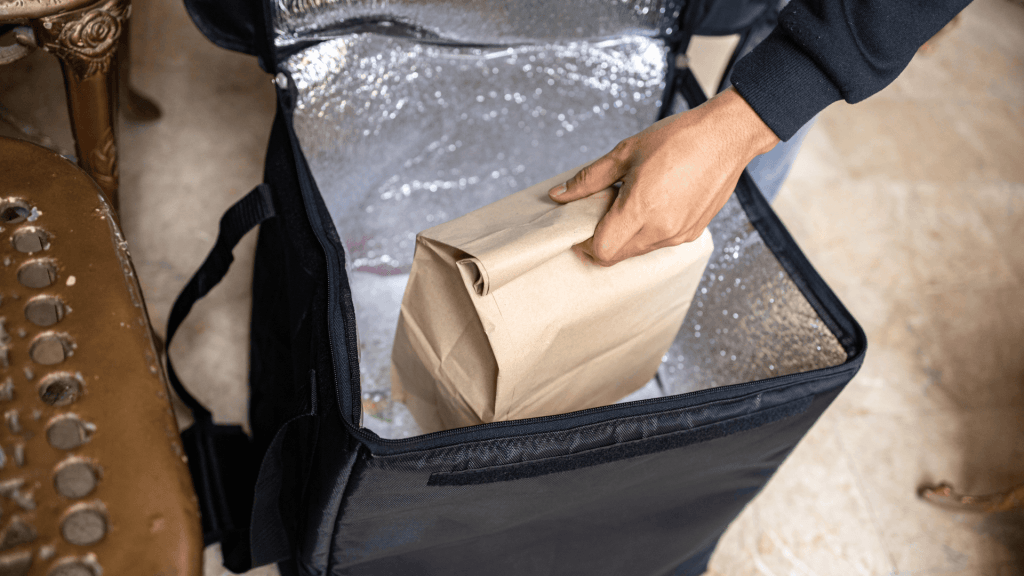
In the world of finance, the insulated lunch bag might seem an unlikely object of analysis. Yet, when examined through the lens of supply chain innovation, consumer behavior, and investment opportunity, it serves as a surprisingly effective proxy for understanding the rapidly evolving cold chain logistics market—a sector projected to surpass $1 trillion globally by 2030.
This article explores how an everyday consumer item—an insulated lunch bag—mirrors broader transformations in cold chain infrastructure, sustainability trends, and logistics innovation, while highlighting actionable investment insights for allocators and portfolio managers.
What Is the Cold Chain Economy?
The cold chain refers to a temperature-controlled supply chain that ensures perishable products—food, pharmaceuticals, biologics—are stored and transported within regulated thermal conditions. It encompasses:
- Refrigerated transportation (trucks, rail, air)
- Cold storage facilities
- Insulated packaging and containers
- IoT-enabled monitoring solutions
Market Trends:
- Healthcare cold chain (e.g., vaccines, biologics) growing at 9.5% CAGR
- E-grocery and meal kit delivery fueling demand for sustainable insulation
- Southeast Asia and Africa are seeing accelerated infrastructure investment
From Lunch Bags to Logistics: Symbolism and Scalability
While the insulated lunch bag is designed for individual use, it mirrors many features of industrial cold chain systems:
| Feature | Consumer (Lunch Bag) | Commercial (Cold Chain) |
| Thermal insulation | Foam, foil linings | Phase change materials, vacuum insulation |
| Portability | Hand-carry convenience | Last-mile delivery optimization |
| Temperature retention | Hours | Days or weeks |
| Sustainability factors | Reusability, recyclability | Carbon reduction, energy-efficient cooling |
This parallel illustrates how micro innovations in consumer goods often preface macro-scale investment trends.
The ESG Imperative: Sustainable Packaging Solutions
Environmental, Social, and Governance (ESG) factors are increasingly influencing fund flows and company valuations. In the context of cold chain logistics, insulated packaging is under scrutiny for its:
- Material composition: Traditional EPS foam is non-biodegradable.
- Lifecycle footprint: Single-use packaging is falling out of favor.
- Regulatory pressure: Europe and parts of North America are phasing out certain plastics.
Investment Opportunity:
Startups and mid-market firms developing sustainable thermal packaging—using biodegradable foams, mycelium, or nanocellulose—are raising significant capital. Insulated lunch bag brands that emphasize reusability and circular design are capitalizing on this tailwind.
Venture Activity and Capital Allocation Trends
In recent years, there’s been a spike in venture capital investment in temperature-controlled logistics and packaging:
- Cooler Screens, Swanlaab, and PackIt Fresh are examples of firms integrating tech into insulated delivery and storage solutions.
- Thermal packaging as a service (TPaaS) models are emerging, offering scalable, reusable packaging for food and pharmaceutical delivery.
Private equity is also making moves—consolidating regional cold storage providers and investing in last-mile delivery solutions equipped with insulated packaging innovations.
Case Study: COVID-19 and Vaccine Cold Chains
The 2020–2021 global vaccine rollout placed unprecedented demand on cold chain infrastructure. Pfizer’s mRNA vaccine, for example, required -70°C storage, sparking investment in:
- Advanced insulated containers (often using vacuum-insulated panels)
- Real-time temperature monitoring devices
- Mobile cold storage units
While this was a macro event, it had trickle-down effects, increasing consumer awareness of thermal packaging—spurring demand for better-designed, high-performance insulated lunch bags, especially for healthcare workers, outdoor professionals, and parents.
Insulated Lunch Bags as a Category: DTC and Brand Play
On the consumer side, the insulated lunch bag category is expanding beyond utility:
- Premiumization: Brands like Hydro Flask, Yeti, and PackIt are reimagining lunch bags with design-first approaches.
- Tech integration: Some models now include temperature sensors, built-in power banks, and even smart cooling elements.
- Direct-to-consumer (DTC): The rise of online retail has made it easier for niche, eco-conscious brands to scale quickly.
These companies may not yet be IPO-ready, but they represent the intersection of consumer goods, sustainability, and thermal innovation—a theme many impact-focused funds are actively exploring.
Strategic Implications for Investors
1. Cold Chain Infrastructure Funds
Infrastructure-focused funds can gain exposure to cold storage REITs, refrigerated logistics, and packaging firms with durable contracts in healthcare and agriculture.
2. VC and Growth Equity
Target startups improving thermal insulation technologies, especially in the packaging, reusable container, and DTC consumer goods space.
3. Thematic ETFs
Watch for ETFs themed around supply chain optimization, food security, or sustainable packaging—several are in development.
Risks and Challenges
- Energy consumption: Cold storage and refrigerated transport are energy-intensive, posing challenges to decarbonization.
- Fragmented regulation: ESG and sustainability standards vary by region, creating compliance complexities.
- Margin pressure: Especially for consumer-facing insulated bag brands, which must balance performance with affordability.
Conclusion: What a Lunch Bag Can Teach Us About Logistics Alpha
An insulated lunch bag might seem insignificant in the grand scheme of institutional finance. But as a symbol, it reflects much larger forces: the rising demand for temperature-controlled infrastructure, the convergence of consumer expectations with industrial design, and the investment tailwinds in sustainable packaging.
For forward-looking investors, the lesson is clear: don’t overlook the micro when scouting for macro trends. Today’s niche product can be tomorrow’s core portfolio theme—especially when it’s helping to keep the world, and its goods, cool.