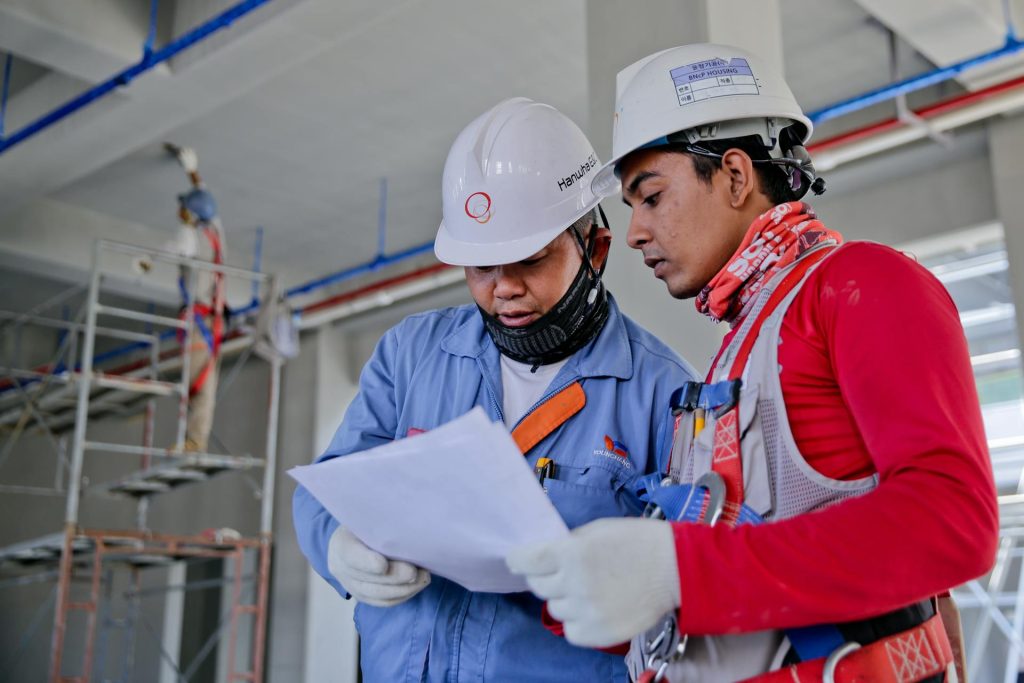
The promise of safe work and fair pay remains central to American dignity and mobility. Yet today’s conditions—hybrid schedules, algorithmic management, climate risks, and fragmented benefits—strain old systems. Even in modern workplaces, employees, vendors, and customers can suffer physical harm from unsafe driving, understaffing, or inadequate safety protocols. Law professionals can help people negotiate with insurance companies and hold companies accountable for negligent practices. But lawsuits alone can’t provide us with comprehensive, long-lasting protections. We also need up-to-date rules, proactive compliance, and practices that include everyone and stop harm before it happens.

The Changing Definition of Workplace Safety in 2025
Workplace safety extends beyond the use of hard hats and railings. That being said, this helpful information from commercial injury attorneys in California at BD&J does state that physical damage largely defines what a ‘commercial injury’ is. Heat, wildfire smoke, recurrent strain, and poor air quality in workplaces and warehouses are also involved. Safety now includes mental health. Bullying, harassment, and bigotry can create distractions, blunders, and job loss. LGBT workers need privacy and respect for names, pronouns, and facilities. Remote and freelance workers suffer loneliness, poor home ergonomics, and unclear platform rules. Modern safety requires empirical controls in all settings.
Why Compensation Systems Are Struggling to Keep Up
Compensation should reflect risk, skill, and equity. Yet legacy pay structures often lag behind changing roles and costs. Gig models can shift risks onto workers through variable schedules, unpaid downtime, or equipment costs. Inflation and housing shortages widen gaps between posted pay and living wages. Incentives sometimes promote unsafe shortcuts in numerous industries. While waiting for decisions, wounded workers lose revenue due to delayed claim systems. When pay, leave, and medical benefits don’t integrate, families shoulder the burden.
Legal Frameworks That Bridge the Gap Between Safety and Compensation
The law can lessen conflicts when executed holistically. The Occupational Safety and Health Administration (OSHA) mandates safety provisions, and anti-retaliation measures allow workers to report difficulties. Misclassification, off-clock work, and tip pooling misuse are violations of wage and hour laws. Anti-discrimination laws protect workers from unfair scheduling, unfriendly workplaces, and unfair pay. New pregnancy and nursing worker legislation, hair-based discrimination, and gender identification define today’s expectations. Laws against unfair competition and contracts can aid businesses that hurt other businesses, jobs, and salaries. These technologies help firms create trust and reduce conflict.
The Business Case for Preventive Legal and HR Collaboration
Prevention outperforms after-the-fact remedies. HR, legal, safety, and operations teams should collaborate before policies roll out. They can audit high-risk jobs, map benefits to real hazards, and align incentives with safe performance. Clear reporting channels and speedy follow-up build credibility. Inclusive training—designed with plain language and lived experience—improves uptake and reduces stigma around asking for help. Transparent pay bands and predictable scheduling reduce churn rates. Accessible leave policies support recovery and retention. When leadership measures near misses, not just injuries, the culture shifts from blame to learning.
Practical steps for employers and advocates:
- Update safety plans: Safety planning should cover heat, air quality, ergonomics, and mental health concerns for on-site and remote personnel.
- Combine salary and safety: Reward safe behavior and quick hazard reporting.
- Safeguard reporting: Open private channels, have anti-retaliation policies, and answer immediately and in writing.
- Include everyone: Train managers and update handbooks; respect pronouns, privacy, and facility access.
- Explain the benefits: Reduce income shocks by coordinating payment, medical care, and return to work.
- Map your legal duties: Policies should follow anti-discrimination, wage and hour, and workplace safety laws.
- Create emergency plans: Each plan should include communication formats, vendor contacts, and repair budgets before a disaster.
Community prosperity comes with safety and fair salaries. When their job doesn’t affect them or their family, folks work tirelessly. Through prevention, openness, and inclusivity, companies reduce claims, increase productivity, and improve their reputation. Policymakers can unify standards by reflecting workplace dangers and conditions. We may move beyond reactiveness and develop systems that serve everyone without compromising dignity or safety.

Peyman Khosravani is a global blockchain and digital transformation expert with a passion for marketing, futuristic ideas, analytics insights, startup businesses, and effective communications. He has extensive experience in blockchain and DeFi projects and is committed to using technology to bring justice and fairness to society and promote freedom. Peyman has worked with international organizations to improve digital transformation strategies and data-gathering strategies that help identify customer touchpoints and sources of data that tell the story of what is happening. With his expertise in blockchain, digital transformation, marketing, analytics insights, startup businesses, and effective communications, Peyman is dedicated to helping businesses succeed in the digital age. He believes that technology can be used as a tool for positive change in the world.