

Thinking about putting your money into gold? It’s a pretty common idea, especially when the economy feels a bit shaky. Gold has been around forever as a way to hold onto value, and lots of people see it as a safe bet when other investments might be risky. Whether you’re just starting out or you’ve been investing for a while, gold can be a good way to spread your money around and maybe lower your overall risk. This guide is all about how to do investment in gold, breaking down the different ways you can do it and what you need to know.
Key Takeaways
- Gold is often seen as a way to protect your money when the economy is uncertain, acting as a buffer against inflation and market ups and downs.
- You can invest in gold through physical items like bars and coins, or through financial products like gold ETFs and stocks of gold mining companies.
- Understanding how gold prices move, what affects them, and making sure you’re buying real gold are important steps.
- Strategies like buying gold gradually over time (dollar-cost averaging) and deciding how much gold to keep in your overall investment mix can help.
- Be aware of common mistakes, like not doing enough research, and think about how you’ll store and secure any physical gold you buy.
Understanding Gold’s Enduring Value
Gold’s Historical Significance as a Store of Value
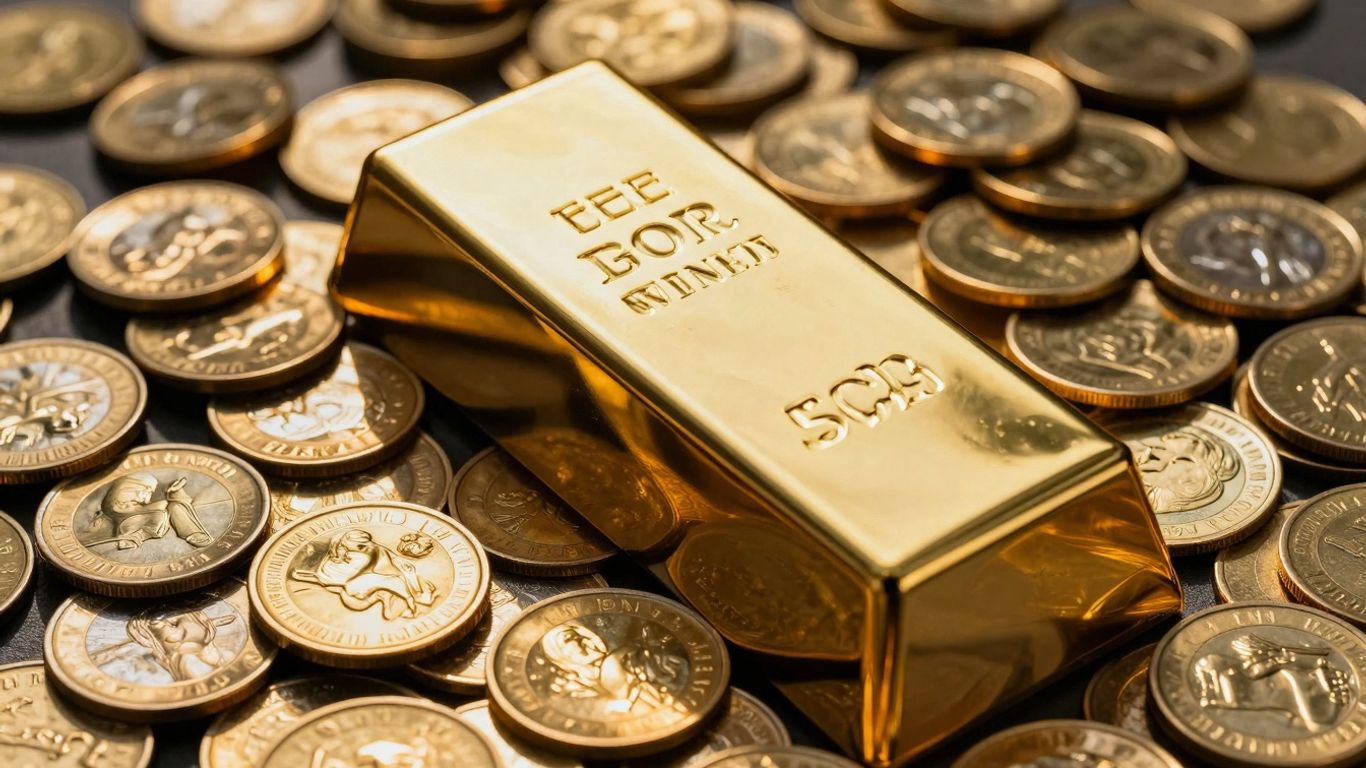
Gold has been recognized as valuable for a really long time, stretching back thousands of years. Across different cultures and civilizations, it’s been used as a way to keep wealth safe. Think about ancient empires using gold coins, or how central banks today keep large gold reserves. This long history shows that gold tends to hold its worth, even when other things, like paper money, lose value or disappear entirely. It’s a physical thing that people have consistently wanted and seen as valuable for centuries.
Gold as a Hedge Against Economic Uncertainty
When the economy gets shaky, many people look to gold. It’s often called a “safe haven” asset. This means that when things like stock markets are dropping or there’s a lot of worry about the future, gold prices might actually go up or stay steady. This is because gold’s value isn’t tied to one specific government or company like stocks are: its value comes from its properties and how much people want it. So, when there’s political trouble or big global events, gold can be a place to put your money to feel more secure. Reliable local specialists like Scottsdale gold buyers provide clear pricing and competent assistance to help you confidently navigate the market if you’re thinking about selling or refining your gold holdings. Whether you’re buying, selling, or just learning, working with reputable buyers can make a big difference in maximizing the value of your assets.
The Role of Gold During Inflationary Periods
Inflation is when prices for everyday things go up, and your money doesn’t buy as much as it used to. During these times, gold often becomes more attractive. As the purchasing power of money decreases, gold can sometimes keep pace or even increase in value. This makes it a way for people to protect their savings from losing their buying power. Historically, gold has shown a tendency to perform well when inflation is high.
Here are some factors that influence gold’s value:
- Economic Health: In strong economies, people might not need gold as much for safety.
- Inflation Rates: When inflation is high, gold often becomes more appealing.
- Currency Strength: If a major currency, like the US dollar, weakens, gold can become more expensive for buyers using other currencies.
- Global Stability: Political unrest or conflicts can cause people to seek out gold as a stable asset.
- Demand: How much gold is used in jewelry, electronics, and by investors all play a part.
Gold’s price isn’t fixed; it changes based on what’s happening in the world and how people feel about the economy. Keeping an eye on these influences can help you make better choices about investing.
Exploring Diverse Avenues for Gold Investment
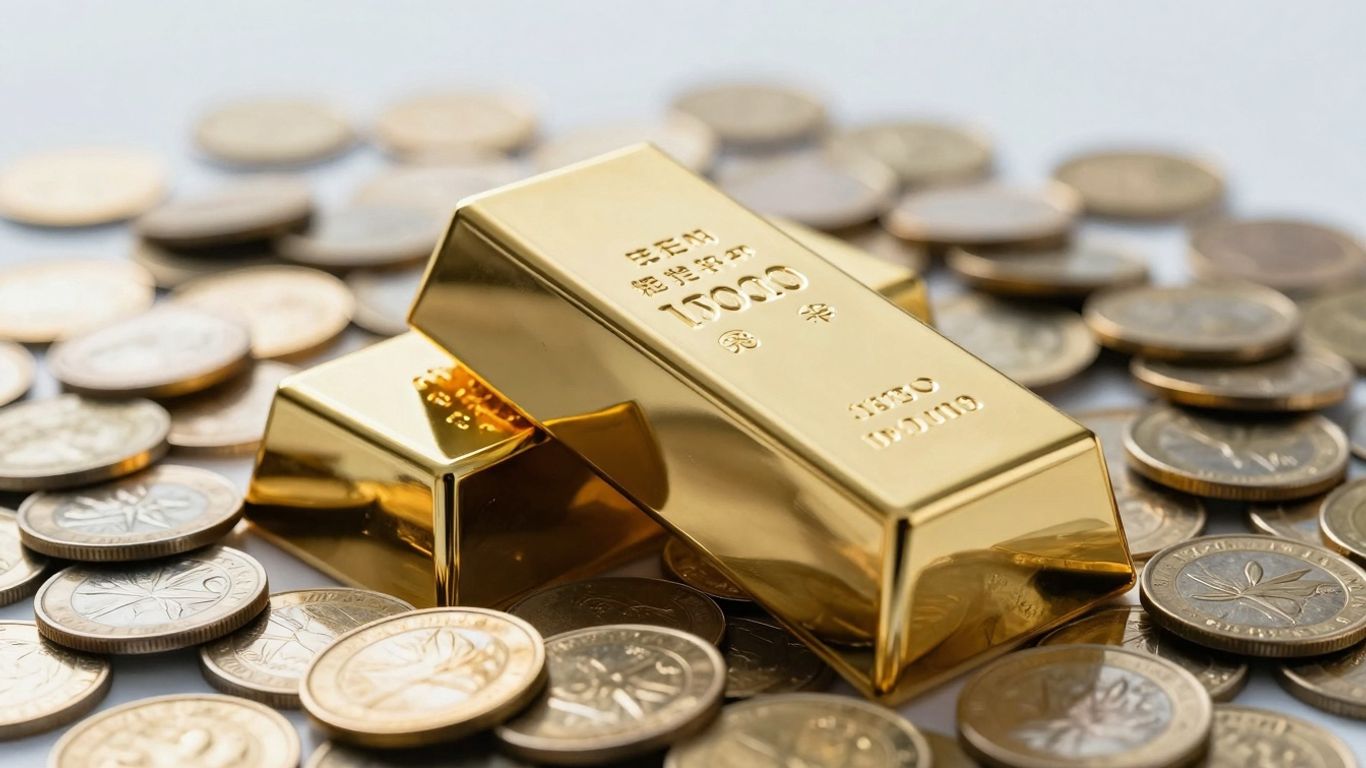
When you’re looking to add gold to your investment mix, there are several ways to go about it. Each method has its own set of pros and cons, so it really depends on what you’re trying to achieve and how hands-on you want to be.
Investing in Physical Gold: Bullion and Coins
This is the most traditional way people think about owning gold. We’re talking about gold bars, also known as bullion, and gold coins. When you buy physical gold, you actually hold it in your hands. It’s a tangible asset, which some people find very reassuring. Think of coins like the American Gold Eagle or the Canadian Maple Leaf – these are popular choices. Buying from a trusted dealer or a bank is key here to make sure you’re getting the real deal.
- Bullion: Comes in various sizes, from small bars to larger ones. It’s generally valued based on its weight and purity.
- Coins: Often have a face value but are worth much more due to their gold content and collectibility.
- Purity: Look for coins and bars that are .999 fine or higher for maximum value.
Owning physical gold means you’re responsible for its safekeeping. You’ll need to consider secure storage options, which can add to the overall cost.
Gold Exchange-Traded Funds (ETFs)
If holding physical gold sounds like too much hassle, gold ETFs are a great alternative. These are like mutual funds, but they trade on stock exchanges just like regular stocks. An ETF that tracks gold prices essentially holds gold reserves, and its share price moves along with the price of gold. This makes it super easy to buy and sell gold exposure without actually having to store any metal yourself. Popular options include SPDR Gold Shares (GLD) and iShares Gold Trust (IAU). They offer good liquidity, meaning you can usually buy or sell them quickly. For those interested in tracking market movements, platforms like Webull offer detailed analysis tools.
Stocks of Gold Mining Companies
Another route is investing in companies that mine gold. When gold prices go up, these companies often see their profits increase, which can lead to higher stock prices. It’s a way to get exposure to gold’s performance, but with an added layer of company-specific risk. The performance of a gold mining stock isn’t just about the price of gold; it’s also about how well the company is managed, its operational costs, and its ability to find and extract gold. You can research individual mining companies or look into exchange-traded funds that focus on the mining sector. These can offer a different risk-reward profile compared to direct gold ownership or ETFs. For instance, you might look at companies like Newmont Mining (NEM) or Coeur Mining (CDE).
Understanding the gold market is like having a compass for your investments. It helps you know where you are and where you might be going. Let’s break down some of the important things to keep in mind.
The gold spot price is basically the current price for gold that you can get right now, for immediate delivery. Think of it as the real-time price tag on gold. This price changes all the time, minute by minute, based on what’s happening in markets all over the world. It’s what most gold bars and coins are priced against. Knowing the spot price is super important because it tells you the current value of gold and helps you decide when to buy or sell. It’s a key piece of information for anyone serious about investing in gold. You can find current spot prices on many financial news websites or through your brokerage. Check current gold prices.
Strategic Approaches to Gold Investment
When you decide to put your money into gold, having a clear plan makes a big difference. It’s not just about buying gold; it’s about buying it smartly. This means figuring out the best times to add to your holdings and how much gold makes sense for your overall financial picture.
Timing Your Gold Purchases Effectively
Trying to perfectly time the gold market is tough. Gold prices can swing based on all sorts of things – what’s happening in the economy, global politics, and general market sentiment. Some people prefer to buy when prices dip or during times of uncertainty, like after major political events. Another approach is dollar-cost averaging. This is where you invest a set amount of money at regular intervals, say, every month. It helps smooth out the impact of price swings, so you don’t end up buying a lot when prices are at their highest. Tools that analyze price trends can help you spot potential good entry points, but remember, no tool is perfect.
Dollar-Cost Averaging for Gold Investments
Dollar-cost averaging is a strategy that can help reduce the risk associated with buying gold. Instead of trying to guess the absolute lowest price, you commit to investing a fixed sum regularly. For example, you might decide to buy $200 worth of gold every month, regardless of the current price. If the price is high that month, your $200 buys less gold. If the price is low, it buys more. Over time, this can lead to a lower average cost per ounce compared to investing a large sum all at once. This method takes the emotion out of buying and helps build your gold position steadily. It’s a good way to approach investing in assets like gold ETFs, which you can easily buy in regular amounts.
Balancing Gold Allocation Within Your Portfolio
Deciding how much gold to own is a personal choice, but many financial advisors suggest keeping gold as a smaller part of your overall investments, often between 5% and 10%. This can add stability to your portfolio without making it too heavy in one asset. If you’re more comfortable with risk or expect tough economic times ahead, you might consider a slightly higher allocation, perhaps up to 20%. Gold tends to behave differently than stocks and bonds, meaning it can hold its value or even increase when other investments are falling. This low correlation is what makes it a good diversifier. It’s wise to review your portfolio periodically and adjust your gold holdings to keep your desired balance, especially if gold prices have moved significantly. Keeping track of your investments can help you know when it might be time to rebalance.
Gold’s role in a portfolio is often about stability and protection, not necessarily about chasing the highest possible returns. Think of it as insurance for your wealth.
Maximizing Returns and Minimizing Risks
When you’re putting your money into gold, it’s not just about buying it; it’s about making sure you get the most out of it while keeping your hard-earned cash safe. Lots of people jump into gold without really thinking about the common slip-ups that can cost them. We’ll look at how to avoid those and make your gold investments work better for you.
Common Mistakes to Avoid in Gold Investing
It’s easy to make mistakes when you’re new to gold investing. One of the biggest is not doing your homework. You really need to understand how the gold market works before you put any money in. Jumping in blind can lead to bad choices and losing money. Another common error is forgetting about the costs that come with owning physical gold, like storage and insurance. If you don’t plan for these, they can really cut into your profits. It’s also a mistake to put all your eggs in one basket; gold should be part of a bigger plan. Not researching the market thoroughly is a big one, as is ignoring storage and security costs for physical gold. Failing to diversify beyond just gold and buying based on hype rather than solid analysis are also pitfalls to watch out for.
Many investors get caught up in short-term price movements, trying to time the market perfectly. This often leads to buying high and selling low. A more steady approach usually works better in the long run.
Understanding Transaction Costs and Fees
When you buy or sell gold, there are always costs involved. For physical gold, this includes the markup from the dealer over the spot price, and potentially assay fees if you’re buying smaller bars or coins. If you’re storing physical gold, you’ll have costs for secure storage and insurance. For gold ETFs, you’ll encounter brokerage commissions when you buy or sell shares, and an annual expense ratio charged by the fund itself. Mining stocks come with brokerage fees and the companies themselves have operational costs that can affect their profitability. It’s important to know these costs upfront so they don’t eat away at your potential gains.
| Investment Type | Common Costs/Fees |
|---|---|
| Physical Gold | Dealer markup, storage, insurance |
| Gold ETFs | Brokerage commissions, expense ratio |
| Gold Mining Stocks | Brokerage commissions, company operational costs |
Leveraging AI Tools for Gold Investment Analysis
These days, technology can really help out. Tools that use artificial intelligence can look at a lot of data very quickly, spotting trends that might be hard for a person to see. For example, you can use AI to track how gold mining stocks are doing or to get alerts when the price of gold is likely to move. This kind of information can help you make smarter decisions about when to buy or sell, and which types of gold investments might be best for you. It’s like having a smart assistant for your investments, helping you see patterns and opportunities you might otherwise miss. You can use these tools to track your gold holdings and get notified when it might be a good time to adjust your investments, like rebalancing your portfolio. For instance, AI tools can help you analyze trends in gold mining stocks and pick the best investments. This can help you make choices based on data to get better returns. You can use AI-driven tools to track and analyze gold-related assets, helping you make choices based on data to improve returns.
Considering Storage and Security for Physical Gold
If you decide to invest in physical gold, like bars or coins, thinking about where you’ll keep it safe is a big deal. Just leaving it at home might not be the best plan. You’ll need to consider secure storage options to protect your investment from theft or damage. The right storage solution balances security with cost.
Secure Storage Options for Physical Gold
When it comes to storing your physical gold, you have a few main choices, each with its own benefits and drawbacks:
- Home Safe: A high-quality, bolted-down safe can offer a degree of security. However, it’s often visible to potential burglars and may not be fully protected against fire or flood.
- Bank Safe Deposit Box: Banks offer secure boxes, which can be a good option for smaller amounts of gold. Access is limited to banking hours, and banks typically do not insure the contents of these boxes, meaning you’d need separate insurance.
- Professional Vault Services: These are specialized facilities designed specifically for storing valuable assets like precious metals. They offer high levels of security, climate control, and often have insurance options available. This is generally considered the most secure method for larger holdings.
When choosing a storage method, think about the value of your gold and the level of risk you’re comfortable with. For instance, a few gold coins might be fine in a home safe, but a significant amount of bullion would likely warrant a professional vault service.
The cost of storage is an important factor to consider. While you want the best security, excessive storage fees can eat into your investment returns. It’s a trade-off between peace of mind and expense.
The Importance of Insurance for Gold Holdings
Regardless of where you store your physical gold, insuring it is a smart move. Standard homeowner’s or renter’s insurance policies often have limits on the amount they’ll cover for valuable items like gold. You might need a separate rider or a specialized precious metals insurance policy to ensure your holdings are fully protected against theft, loss, or damage.
When looking into insurance, compare policies carefully. Understand what events are covered, the deductible amounts, and the claims process. This step is vital to protect your investment should the unthinkable happen.
Certificates of Authenticity and Independent Testing
To be confident in the gold you own, especially if you’re buying from various sources, verifying its authenticity and purity is key. Reputable dealers will provide certificates of authenticity with their products. These certificates typically detail the gold’s weight, purity (e.g., .999 fine), and the refiner or mint that produced it.
For added assurance, especially with larger or older purchases, consider independent testing. Some third-party services can assay your gold to confirm its composition. This can be particularly useful if you’re buying from less established sellers or inheriting gold. Knowing you have genuine, high-purity gold adds another layer of security to your investment.
Innovative Ways to Enhance Gold Investments
Earning Interest on Physical Gold Holdings
While gold has traditionally been seen as a passive asset, primarily valued for its store of value and hedge properties, modern financial services are introducing ways to make your gold holdings work harder for you. One such innovation is the ability to earn interest on physical gold. This typically involves depositing your gold with a specialized service that then lends it out to other parties, such as jewelers or industrial users. In return for lending your gold, you receive a yield, similar to earning interest on money in a savings account. This can add an extra layer of return to your gold investment, complementing any potential price appreciation.
- Understand the lending mechanism: Know how your gold is being used and by whom.
- Assess the yield: Compare the interest rates offered by different platforms.
- Review the terms and conditions: Pay close attention to any fees, lock-up periods, or risks associated with the lending process.
Earning interest on physical gold transforms it from a static asset into one that can generate passive income, adding a dynamic element to traditional wealth preservation strategies.
Exploring Digital Gold Assets
Beyond physical bullion and ETFs, the digital age has brought forth new ways to invest in gold. Digital gold platforms allow you to buy, sell, and hold gold in digital form, often backed by physical gold reserves held in secure vaults. These platforms can offer greater accessibility and lower transaction costs compared to physical gold. Some digital gold products are even built on blockchain technology, providing transparency and security. For those interested in the broader digital asset space, understanding how different assets interact is key to building a resilient portfolio, much like understanding short-term cryptocurrency predictions can inform a broader digital asset strategy. These digital options can be a convenient way to gain exposure to gold prices without the logistical challenges of storing physical metal. You can often buy fractions of a gram, making it accessible even with a small amount of capital. This approach can be particularly appealing for younger investors or those already comfortable with online financial transactions. It’s worth exploring how these digital gold assets fit into your overall investment plan, especially if you’re looking for flexibility and ease of access. digital gold assets can offer a modern twist on a timeless investment.
Your Next Steps in Gold Investment
So, you’ve explored the world of gold investing, from its long history as a store of value to the practical ways you can add it to your portfolio. Whether you’re drawn to the tangible feel of gold bars and coins or prefer the convenience of gold ETFs, the path to investing is clearer now. Remember, gold has a track record of holding its worth, especially when other financial markets are unpredictable, making it a smart choice for spreading your investments around and adding a layer of stability. Keep learning about the market, stay aware of your goals, and don’t hesitate to adjust your strategy as needed. Your financial future is yours to shape, and gold can certainly play a role in building that secure picture.
Frequently Asked Questions
Why do people think gold is so valuable?
Gold has been seen as valuable for thousands of years. Even when money or stocks lose their worth, gold often holds its value. It’s like a safe haven for your money when the economy is unstable or prices are going up a lot, which is called inflation. Think of it as a backup plan for your wealth.
What are the different ways I can invest in gold?
You have a few choices! You can buy physical gold, like gold bars or coins, that you can keep yourself. Or, you can invest in things like Gold Exchange-Traded Funds (ETFs), which are like baskets of gold that trade on the stock market. You can also buy stocks in companies that dig gold out of the ground.
What is the ‘spot price’ of gold and why does it change?
The ‘spot price’ is the price of gold right now if you wanted to buy or sell it immediately. This price changes all the time because of how much people want gold, what’s happening in the world’s economy, and what governments are doing.
How does owning gold help my other investments?
It’s smart to spread your money across different types of investments, not just put it all in one place. Gold often behaves differently than stocks or bonds. So, having some gold can help protect your overall investments if the stock market takes a nosedive.
What are some common mistakes people make when investing in gold?
A big mistake is buying gold only when everyone else is excited about it, which usually means the price is already high. It’s also important to make sure the gold you buy is real and its purity is known. Always check where you’re buying from very carefully.
Can I earn money or interest on my gold investments?
Yes, you can! Some modern services let you earn a little bit of money, like interest, on the gold you own. This happens when your gold is lent out to businesses, and you get a share of the earnings. It’s a way to make your gold work for you.

Peyman Khosravani is a global blockchain and digital transformation expert with a passion for marketing, futuristic ideas, analytics insights, startup businesses, and effective communications. He has extensive experience in blockchain and DeFi projects and is committed to using technology to bring justice and fairness to society and promote freedom. Peyman has worked with international organizations to improve digital transformation strategies and data-gathering strategies that help identify customer touchpoints and sources of data that tell the story of what is happening. With his expertise in blockchain, digital transformation, marketing, analytics insights, startup businesses, and effective communications, Peyman is dedicated to helping businesses succeed in the digital age. He believes that technology can be used as a tool for positive change in the world.








