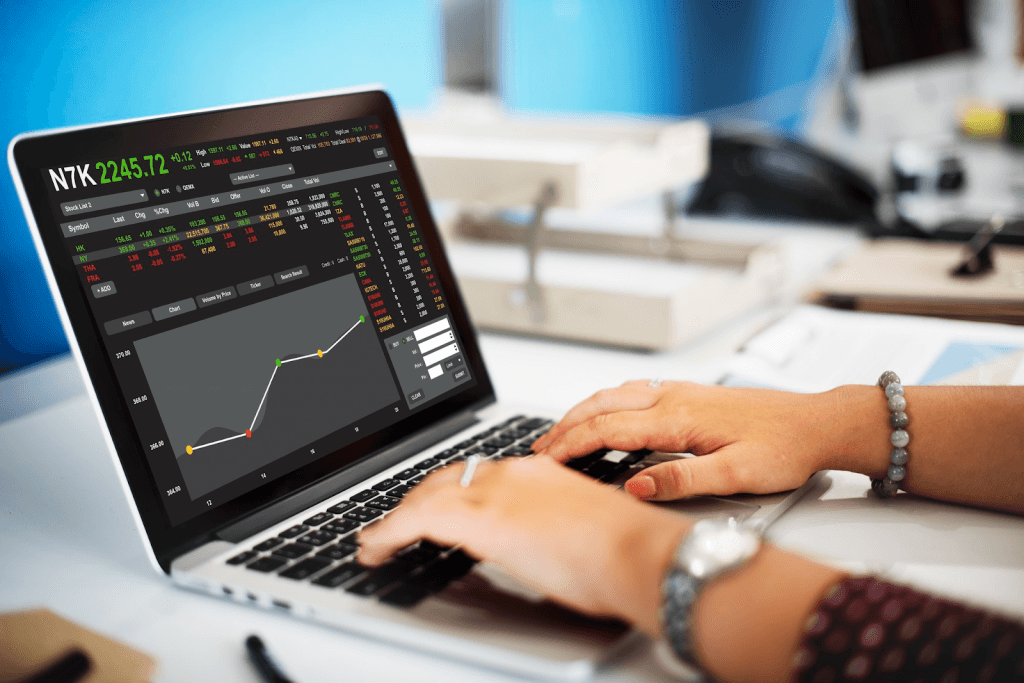
Process over profits — you’ll find this quote passing around in numerous trading groups and communities. Some of the most successful traders in the world live by these words. They focus on refining their process, understanding market structures, and executing trades with discipline.
That said, creating a repeatable trading process isn’t a walk in the park. This guide can offer some clarity. Here are five things you need to do to create a calm, repeatable trading process:
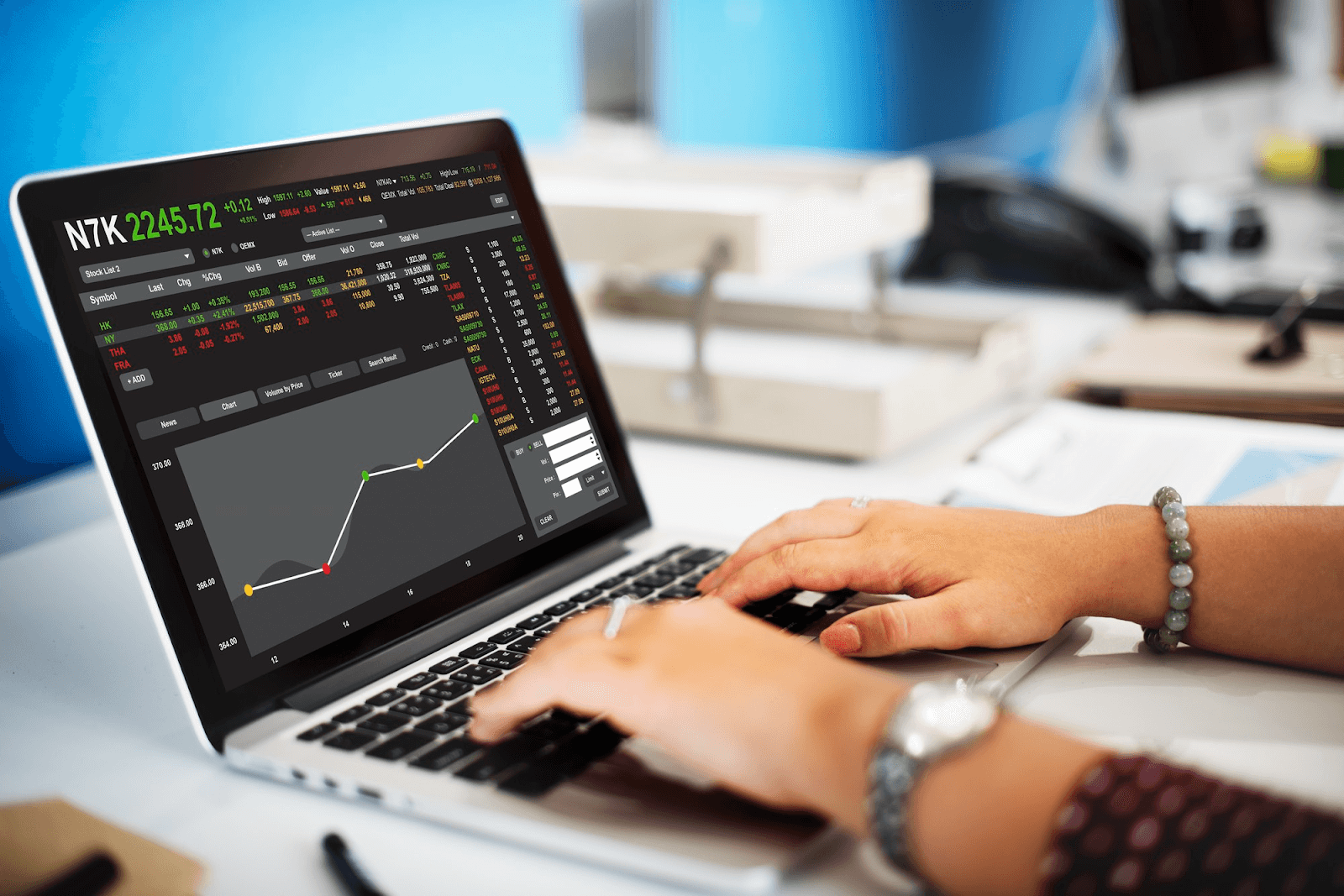
1. Focus on One Setup
One of the most common mistakes traders make is trying to trade everything. Every pattern looks exciting. Every move feels like a once-in-a-lifetime opportunity. But chasing too many setups can create stress and inconsistent results.
Focusing on one or two setups at a time does the opposite. For instance, if you only focus on candlestick patterns, you’ll understand the nuances, strengths, and weaknesses of that strategy. Over time, you’ll begin to recognize these patterns quickly.
The result? You don’t second-guess every entry. And confidence brings results.
2. Define Entries/ Exits
When you have a rule-based strategy, you don’t make moves based on hunches. Start by determining exactly when you will enter a trade and exactly when you will exit. For example, a breakout above resistance, a pullback to support, or a confirmation candle.
The aim is to remove subjectivity. Write down your entry/ exit strategy. If the conditions are not met, you don’t enter. This will also help you manage emotions, an integral part of the psychology of trading.
3. Establish Risk Management Rules
Effective risk management can make or break your trading journey. It is also the cornerstone of a repeatable trading process. You have the following options:
- Position sizing. Never risk more than 1-2% of your capital on a single trade.
- Stop-loss orders. Use automated stop-loss orders to exit a trade when the price reaches a predetermined limit.
- Daily trading limits. Set a maximum daily loss limit.
4. Backtest Your Strategy
You’ll never know the true potential of a trading strategy unless you test it. This is where backtesting comes in. It is the process of testing a specific, quantified trading strategy against historical data to evaluate its performance and profitability. You backtest a strategy before risking actual capital.
If you’re trading with a prop firm, this will be easier. Reputable firms like Maven Trading give you a trial account to test your skills. This way, you can trade in live conditions with confidence.
5. Keep a Trading Journal
If you want a calm and repeatable trading process, you must track what you do. Keep a trading journal to see patterns in your behavior, not just the market.
Write down why you entered, where you exited, and how you felt during the trade. Focus on the process, not the outcome.
Conclusion
Trading is not just about charts. It’s about discipline and self-awareness. Creating an entry/ exit strategy, following risk management rules, backtesting your strategy, and keeping a trading journal will help you stay consistent.

Peyman Khosravani is a global blockchain and digital transformation expert with a passion for marketing, futuristic ideas, analytics insights, startup businesses, and effective communications. He has extensive experience in blockchain and DeFi projects and is committed to using technology to bring justice and fairness to society and promote freedom. Peyman has worked with international organizations to improve digital transformation strategies and data-gathering strategies that help identify customer touchpoints and sources of data that tell the story of what is happening. With his expertise in blockchain, digital transformation, marketing, analytics insights, startup businesses, and effective communications, Peyman is dedicated to helping businesses succeed in the digital age. He believes that technology can be used as a tool for positive change in the world.