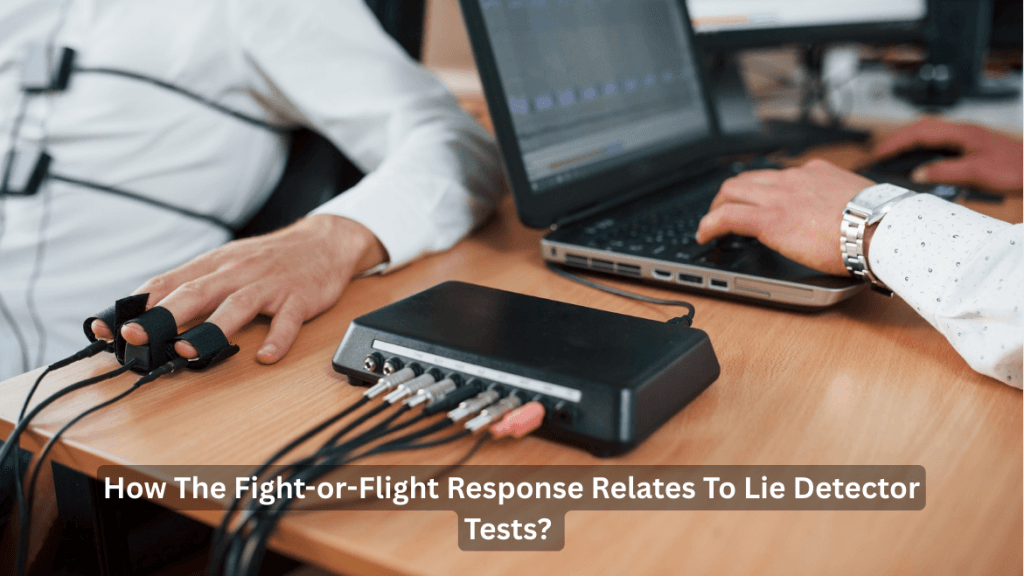
Polygraphs, or lie detector tests, are widely touted as a reliable tool for detecting deception. However, these examinations can yield inconsistent findings depending on the subject’s mental and psychological disposition.
The “fight-or-flight” response is one of the core psychological aspects known to impact an examinee’s response to polygraph questions. If not sufficiently understood, this instinctive survival mechanism can trigger mixed signals.
It takes an exceptionally experienced examiner to sift the examinee’s genuine response to polygraph questions from their “fight-or-flight” reactions.
Read on as we unpack the potential impact of the fight-or-flight response on lie detector tests.
What Is The Fight-or-Flight Response?
Debate has always raged on the potential impact of the fight-or-flight response on the lie detector test. Before we delve into the specifics, it’s best to start by understanding what constitutes the fight-or-flight response.
The fight-or-flight response is a physiological reaction experienced by humans and animals in the face of real or perceived threat. It’s also known as the acute stress response.
Several physiological reactions occur when the body goes into a fight-or-flight mode. As the name implies, these responses prepare you to confront the danger or flee from it.
A classic case of the fight-or-flight response is when you’re suddenly confronted by a bear in the living room.
The mere sight of this ferocious beast would instantly jolt your body into survival mode. As the bear unrelentingly charges towards you, you could flee into another room or attempt to fight it off.
These reactions occur spontaneously. Usually, the brain has limited time to decide on the most suitable response.

How Does The Acute Stress Response Occur?
When you’re confronted by an extremely stressful event (typically one that threatens your very survival), a region of your brain known as the amygdala quickly analyses the threat and transmits distress signals to the hypothalamus.
The hypothalamus communicates with the rest of your body via the nervous system.
Now, the nervous system is divided into two divisions – the central nervous system (CNS) and the peripheral nervous system (PNS). The central nervous system comprises the brain and spinal cord, while everything else constitutes the peripheral nervous system.
The PNS is further subdivided into the somatic nervous system (SNS) and the autonomic nervous system (ANS). While the SNS primarily regulates motion and muscle activity, the ANS controls involuntary physiological processes.
Common ANS-regulated mechanisms include digestion, respiration, heart rate, blood pressure, skin conductivity, and sexual arousal.
The autonomic nervous system also has three subsets – the sympathetic, parasympathetic, and enteric nervous systems. Research indicates that the sympathetic nervous system is largely responsible for triggering the fight-or-flight response.
When you’re extremely stressed, the sympathetic nervous system activates the release of epinephrine (adrenaline) and cortisol. High levels of both hormones trigger a series of autonomic responses that prepare you to deal with the threat.
Relationship Between Acute Stress Response and Lying
Studies have shown that lying activates the autonomic nervous system, the very system that also controls fight-or-flight responses.
The body interprets lying as a stressful activity. Therefore, the autonomic nervous system triggers several physiological reactions to deal effectively with the threat.
When we engage in deception, the sympathetic subdivision of the autonomic nervous system increases our respiration. This compensates for a spike in the brain’s oxygen levels, which is necessary to improve mental concentration and sensory awareness.
Other physiological activities that increase with lying include blood pressure, heart rate, and skin conductivity.
As lying stimulates the very system that controls the fight-or-flight response, many have always wondered if a normal stress response can impact polygraph accuracy. But can it?

Can Stress Make You Fail A Polygraph Test?
The fight-or-flight response is a natural reaction to stress rather than an indication of deception. Fortunately, there’s no evidence that stress can impact the accuracy of polygraph tests.
It’s natural to feel anxious at the prospect of undergoing a lie detector test. Even if you’re totally innocent, the implications of failing the exam can weigh heavily on you and trigger some jitteriness.
However, polygraph examiners are professionally trained to administer reliable lie detector tests even to visibly stressed examinees.
During the pre-test, the examiner will explain the subject of the upcoming evaluation and obtain your written consent. Besides, they’ll ask preliminary queries, which are then used to develop the actual diagnostic questions.
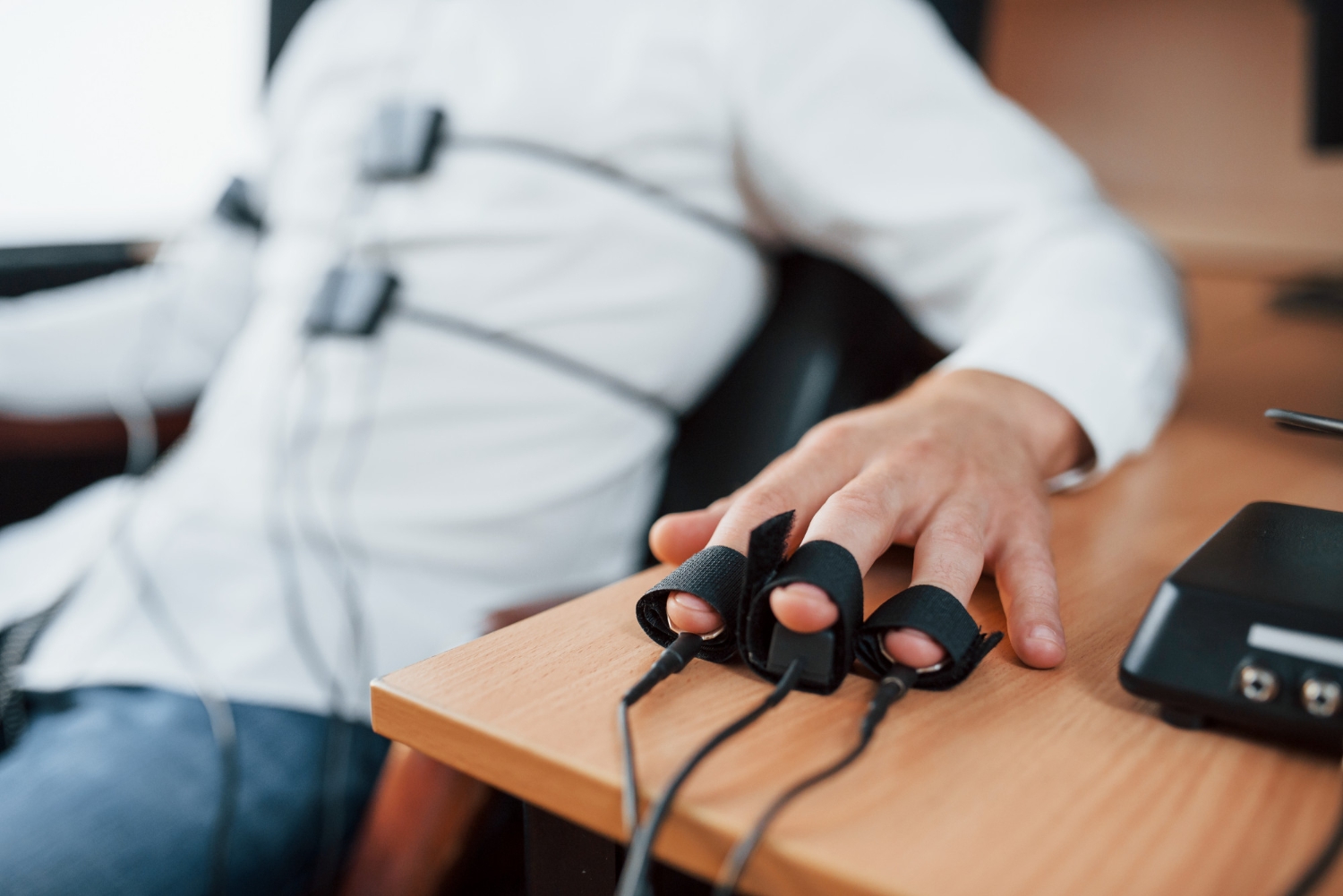
Your responses to pre-test questions constitute your physiological baselines, providing a key reference point for monitoring your reactions to the in-test questions.
The thumb rule is to remain truthful throughout a polygraph process. Answer every question honestly and as relaxedly as possible.
But even if you don’t, a polygrapher will still deduce genuine responses from those instigated by the acute stress reaction.
Final Word
The impact of the “fight-or-flight” response on polygraph results has been extensively investigated. While the acute stress response triggers similar physiological changes as deception, professional polygraph examiners are trained to interpret results carefully, factoring in both stress and truthfulness indicators. However, it’s important to remember that polygraphs are not infallible and should be considered one tool among others when assessing credibility.
Polygraphers are trained to detect genuine psychological reactions from those triggered by deception.
The implication is that professional examiners can effectively administer lie detector tests, including to individuals with underlying mental or psychological conditions. They only need to establish the examiners’ physiological baselines, which become the reference points for gauging their responses to in-test polygraph questions.

Peyman Khosravani is a global blockchain and digital transformation expert with a passion for marketing, futuristic ideas, analytics insights, startup businesses, and effective communications. He has extensive experience in blockchain and DeFi projects and is committed to using technology to bring justice and fairness to society and promote freedom. Peyman has worked with international organizations to improve digital transformation strategies and data-gathering strategies that help identify customer touchpoints and sources of data that tell the story of what is happening. With his expertise in blockchain, digital transformation, marketing, analytics insights, startup businesses, and effective communications, Peyman is dedicated to helping businesses succeed in the digital age. He believes that technology can be used as a tool for positive change in the world.