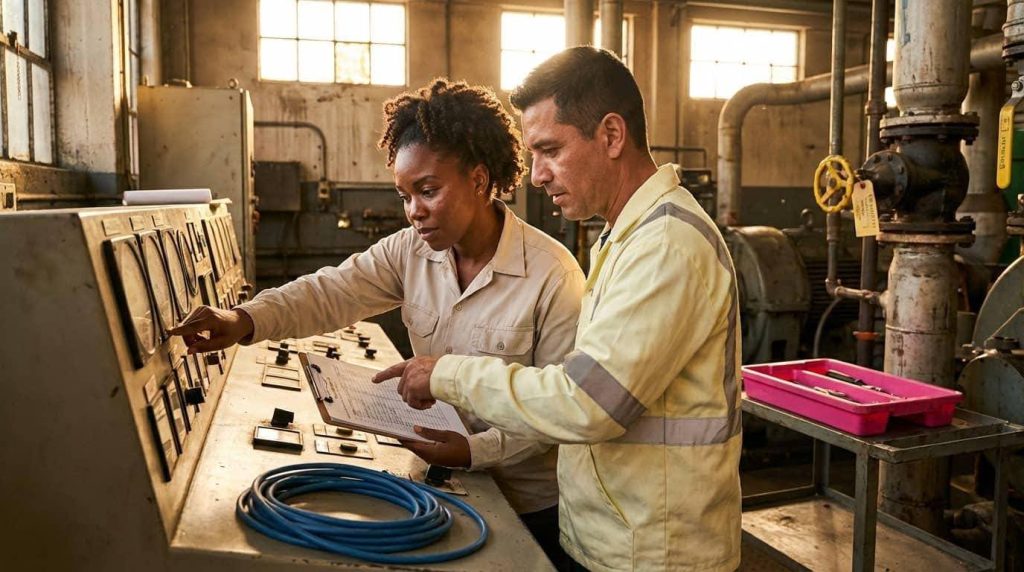
In 2026, the requirements for technicians are changing quickly. With the introduction of automation, intelligent systems, and predictive maintenance in industries, employers seek the skills and expertise of someone who is familiar with the mechanical basis of knowledge and digital diagnostics. Simultaneously, education has changed. Classroom-based models in the past are no longer the sole path of entrance into technical careers.
Remote learning has come into the limelight. The current generation of future technicians will be looking towards the more intelligent integration of theory, simulation, and lab demands through digital platforms that are more flexible. This change is not simply a matter of convenience, but rather one of accessibility, affordability, and career preparedness.
We should consider the role of remote education of technicians in developing skilled careers and why it is one of the most viable paths to high-paying technical jobs.
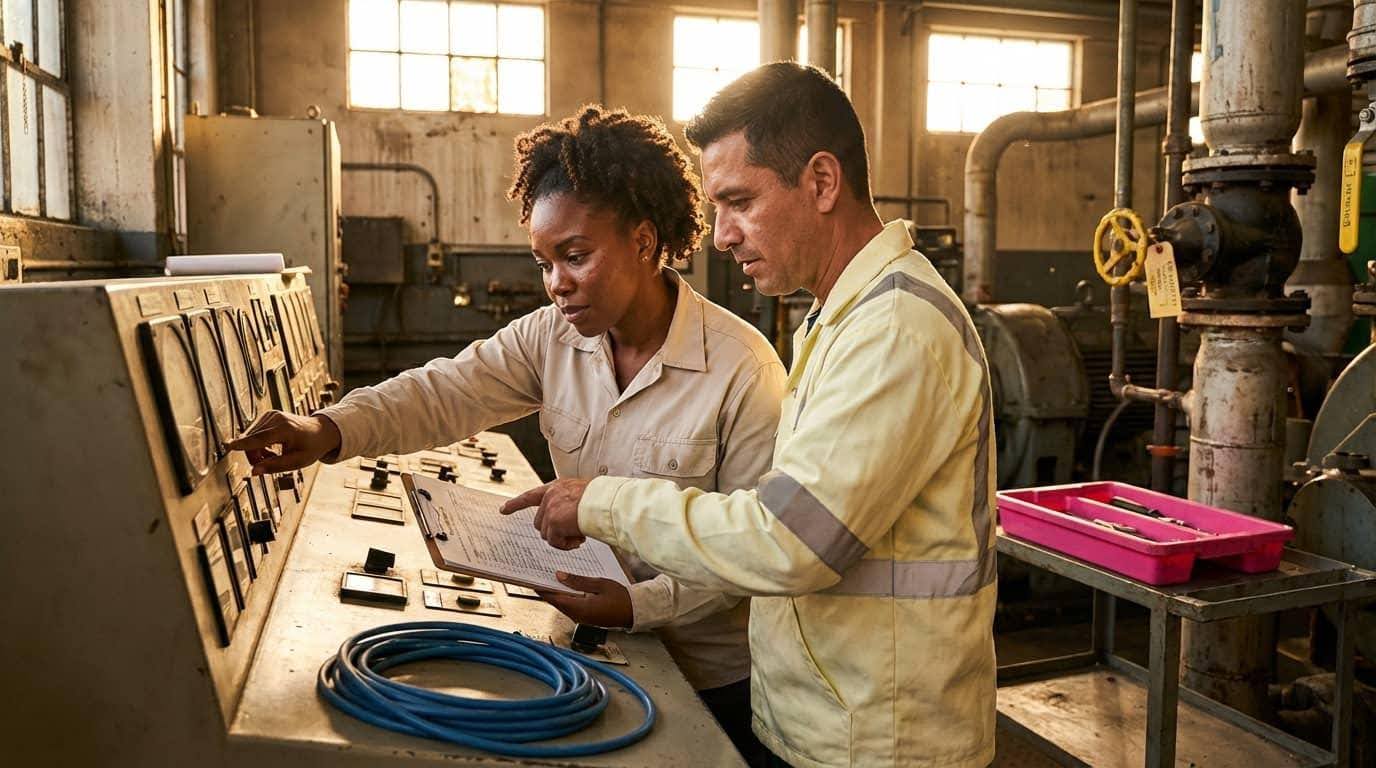
The Rise of Online Maintenance Technician Programs in 2026
An increased number of online maintenance technician programs is a trend in the expansion of workforce development. The manufacturing facilities, energy sources, logistics centers, and commercial organizations have been equipped with smart systems that depend on the work of technicians who can decode digital information as easily as it is possible to fix mechanical components.
The remote programs are based on this mixed demand. Students learn:
- Basics of electrical systems and wiring.
- Safety and compliance standards in industries.
- Hydraulics and pneumatic.
- Introduction to PLCs and automation.
- Preventive and predictive maintenance
In contrast to ancient models of distance learning, the current platforms comprise interactive simulations, a virtual troubleshooting lab, and live sessions with the instructor. Several programs also collaborate with local establishments, whereby the students are doing their practical hours under supervision.
It is a mixed method that would help learners to acquire not only theoretical knowledge but also practical skills without leaving their full-time jobs or interrupting them.
How Employers can benefit from having remote-trained technicians
The understanding that online training is not so practical has changed a lot. In 2026, companies are not concerned with classroom format, but rather with the result. What matters is competency.
Remote graduates tend to exhibit:
- Strong digital literacy
- Knowledge of distant surveillance devices.
- Feels comfortable with diagnostic software.
- Independent learning capacity and self-discipline.
Contemporary equipment employs predictive maintenance systems and Internet of Things (i.e., IoT) monitoring. Technicians often have to examine data dashboards and then inspect equipment physically.
Individuals who are trained using digital systems are already accustomed to working in an environment that is technologically orientated.
This correspondence between the training system and technology in the workplace provides the remote learners with a practical edge.
Elasticity Without Loss of Technical Depth
Time and again, scheduling has been one of the greatest inhibitors to the education of skilled trades. A lot of the aspiring technicians consist of career switchers, working adults, and parents who have a lot of responsibilities.
Remote training programs eliminate most of the barriers since they provide:
- Self-paced modules
- Evening live sessions
- Recorded lectures
- Learning portals that are mobile-accessible.
Complex information, such as motor controls or blueprint reading, can be revisited by the student several times, and the learning can be cemented at his or her own pace.
Rigor is not undermined by this flexibility.
Actually, a lot of online maintenance technician courses incorporate systematic examinations, situational examinations, and virtual laboratories that imitate the real-world troubleshooting problems.
The application of intelligent technology in the modern training of technicians.
The 2026 industrial systems are based on automation and data. The current technological change has been captured in training programs reflecting:
PLC simulation platforms
- AR experience with troubleshooting drills.
- Diagnosis of equipment in the clouds.
- Virtual predictive maintenance cases.
These tools enable students to play with processes of fault detection in advance, prior to entering physical environments. Learners learn the logic of systems rather than merely memorizing the procedures.
Indicatively, instead of merely learning how to replace a failed motor, students examine voltage anomalies, determine the possible underlying causes, and model corrective measures.
This advanced analysis mode is the development of career-prepared individuals as opposed to the entry-level assistant.
Increasing Career Opportunities in 2026
The talented maintenance specialists do not have to work on the factory floors. The opportunity scope has been extended to:
- Energy plants using renewable sources.
- Smart commercial buildings
- Automated warehouses
- Maintaining the healthcare equipment.
- Transport infrastructure systems.
Due to the fact that these areas depend on the mechanical stability as well as the digital monitoring of the systems, the graduates of the distance training programs are becoming more competitive employees.
On a very low level, there can be:
- Technologist in industrial maintenance.
- Facilities maintenance specialist.
- Technician automation support.
- Fail mode and effects analysis assistant.
Technicians may also rise to the position of supervisors, reliability engineering support or systems optimization.
Economic Suitability and Availability
Affordability is another major benefit of remote education. Traditional trade programs tend to require commuting, relocation, or fewer work hours. Online formats reduce:
- Transportation costs
- Campus housing expenses
- Time out of pocket costs due to a schedule conflict.
A large number of learners are able to work as they study, and this reduces the financial burden. This model has enabled skilled technical careers to become an affordable option in rural or underserved areas where there were no close training institutions.
Not only is accessibility a bonus in 2026, but a necessity for the workforce. The industries that experience a shortage of technicians access wider talent pipelines.
Developing Soft Skills Industry Ready
Career growth is not only characterised by technical expertise. Remote training settings are beneficial in developing necessary professional competencies, including:
- Time management
- Digital communication
- Independent problem-solving
- Virtual collaboration
Due to the increased use of digital platforms and maintenance management software in coordinating various teams of maintenance staff, the remote learners are already conversant with virtual workflows.
This preparedness is converted to easier onboarding and quicker acclimatization to current facilities.
Credential Pathways and certification
A number of programs in online maintenance technicians train students to be certified in the industry. Depending on the area of specialization, they may be safety qualifications, electrical qualifications, or automation-oriented qualifications.
Certification is an indicator of competency in skills, which enhances employability. Employers are also more inclined to hire graduates who have undergone structured training and have been confirmed with credentials.
There are also programs that incorporate apprenticeship programs, which can help graduating students transition into online studies and then into supervised on-site training.
The Long-Term Career Outlook
The 2026 workforce outlook indicates that there will be a need for maintenance professionals because of:
- Aging infrastructure
- Renewable energy system growth.
- Automated logistics growth.
- More dependence on smart facility management.
Equipment can be smarter, although it must have human skill to be installed, maintained, and optimized.
Remote training models are the assurance that the following generation of technicians is not merely mechanical in their capability, but digitally savvy. This two-fold capacity is developing a more versatile and future-proof workforce.
Conclusion
The development of technician education is representative of the change that is occurring in the industrial sectors. By 2026, men in technical fields will require mechanical as well as computer literacy. Skill-based education models, which are flexible, have risen to the occasion.
Online maintenance technician programs, through a combination of structured coursework, virtual simulation, and practical training elements, are creating the gateway to viable and well-compensated professions. They eliminate geographical and financial borders, and they in tandem match training with the current technology in the workplace.
For people willing to create a skilled profession in a world that is becoming more and more automated, remote maintenance technician training is not a simple bonus, but a long-term investment in a career.

Peyman Khosravani is a global blockchain and digital transformation expert with a passion for marketing, futuristic ideas, analytics insights, startup businesses, and effective communications. He has extensive experience in blockchain and DeFi projects and is committed to using technology to bring justice and fairness to society and promote freedom. Peyman has worked with international organizations to improve digital transformation strategies and data-gathering strategies that help identify customer touchpoints and sources of data that tell the story of what is happening. With his expertise in blockchain, digital transformation, marketing, analytics insights, startup businesses, and effective communications, Peyman is dedicated to helping businesses succeed in the digital age. He believes that technology can be used as a tool for positive change in the world.