
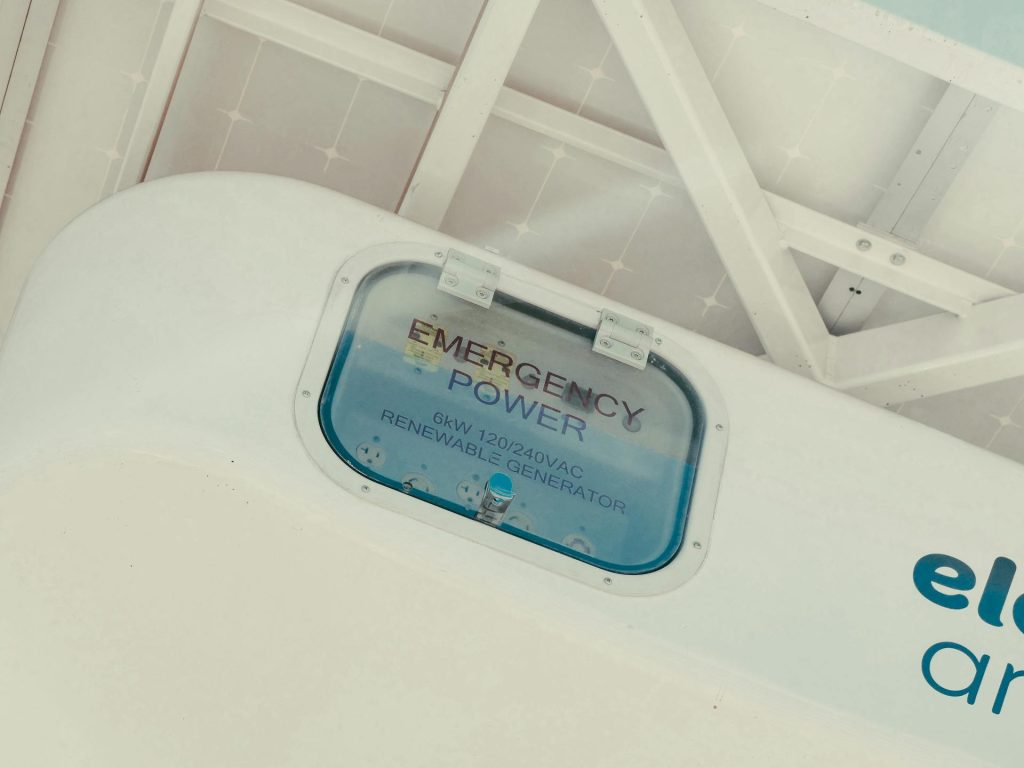
Most of the time, we don’t even notice electricity. We walk into the office, flip a switch, and everything just works. Lights turn on. Computers wake up. The day starts without us giving it a second thought. Until it doesn’t.
The power cuts out. Screens go dark. The quiet feels heavier than it should. And in that moment, you realize how much of your business depends on something you normally take for granted.
That’s when a backup generator stops being “extra equipment” and starts being essential.
While everything else is dealing with the outage, your business keeps moving. Not because of luck, but because you planned for the moment no one ever expects… until it happens.
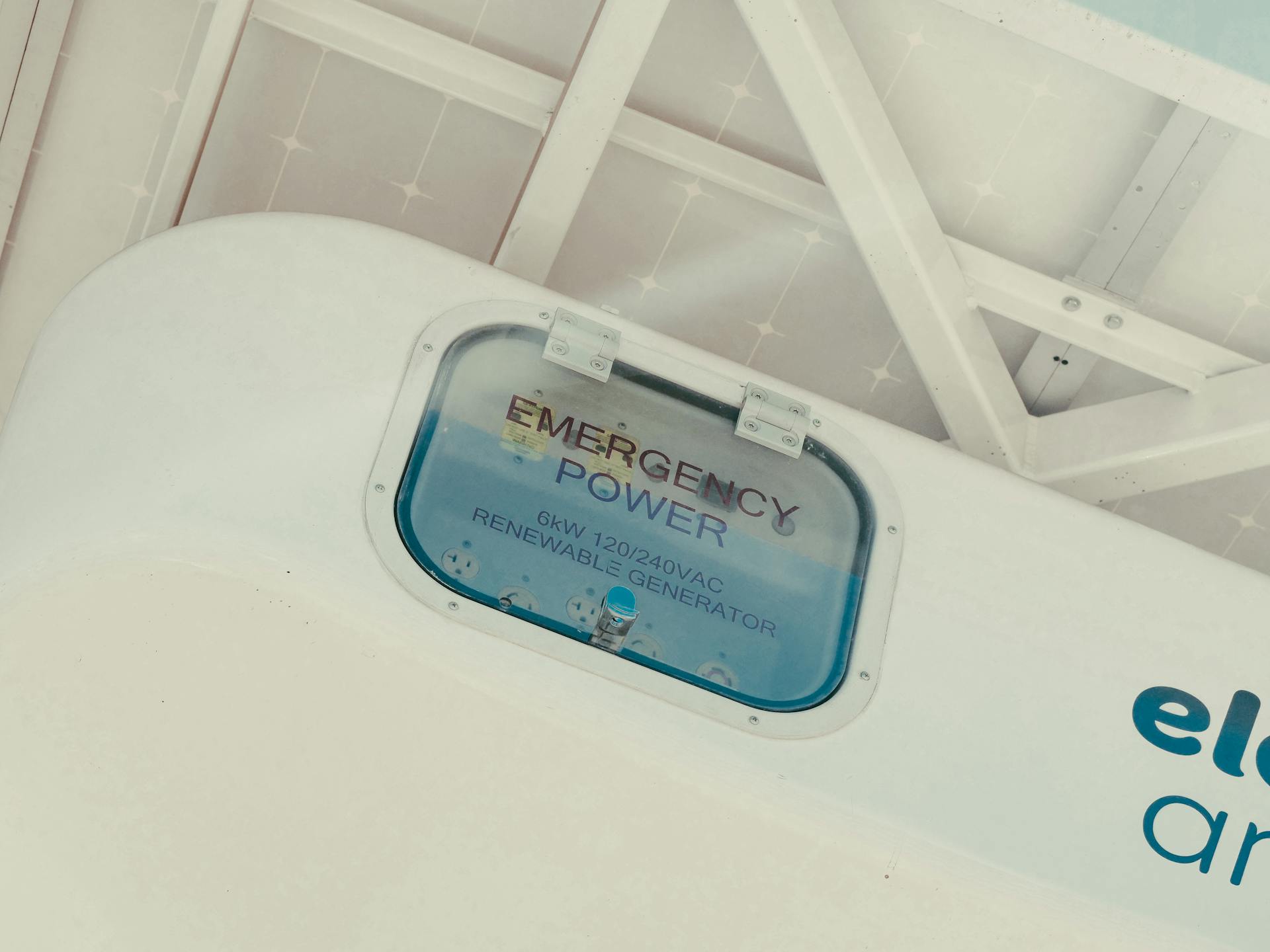
The Cost of Downtime
Let’s be real: a power outage is so much more than just a few minutes in the dark. It’s like a single domino tipping over: what follows is a whole chain of headaches, broken promises, and lost money. And the costs? They hit your wallet and your good name.
- For a data center, it’s a digital heart attack. Servers crash, data gets corrupted, and real-time transactions just… vanish. We’re talking thousands of dollars lost per minute in broken services and frantic recovery.
- For a factory, everything just stops. Perishable materials spoil, half-made products are ruined, and skilled workers are left standing idle. The silence on the floor is the sound of money burning.
- For a supermarket, it’s a slow-motion disaster. The coolers warm up, and thousands in inventory start to spoil. The registers are dead, so sales evaporate. Even the security systems blink out, leaving the whole place vulnerable.
- For a hospital, it’s terrifying. Ventilators, heart monitors, and surgical equipment, all hanging on a steady flow of power. The stakes don’t get higher.
The real, lasting damage is to your reputation. When you can’t keep the lights on, people notice. Customers lose trust, and that’s far harder to win back than any lost sale.
The Unsung Heroes
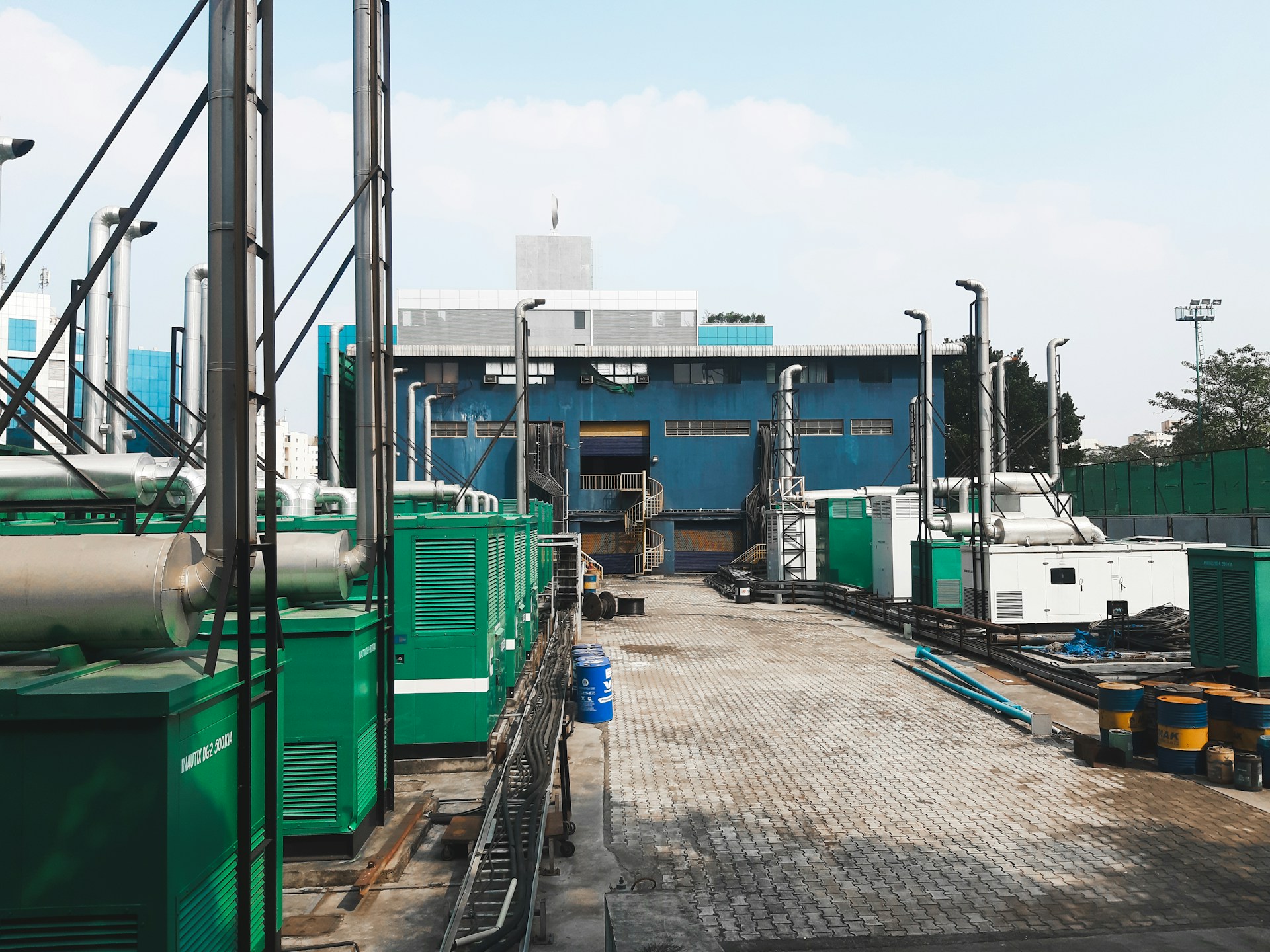
This is where power generators step in, acting as an automatic insurance policy. They come in various sizes and fuel types, from small, portable units for a neighborhood cafe to massive, permanent installations for industrial complexes. For example, industrial diesel generators are the workhorses for heavy-duty applications. They’re prized for their durability, high power output, and ability to run for extended periods, making them ideal for factories, large facilities, and remote operations.
The real magic is the clever, automated brain working alongside it, called the Automatic Transfer Switch (ATS). The second it hears a problem, a sag, a flicker, a total blackout, it barks the order for the generator to fire up. Once the generator is humming steadily, the ATS performs the crucial handoff, smoothly rerouting all the building’s electricity from the dead public grid to your new private power source.
Key Areas Where Generators Prevent Operational Chaos
- Keeping IT and Data Running
This is usually the first concern. When the power goes out, your servers, networks, and storage don’t get a grace period; they either stay on or they don’t. A generator makes sure they do. Data stays safe, emails keep flowing, phones still work, and online orders don’t suddenly grind to a halt. For cloud-based businesses, it’s what keeps you connected when everything else drops offline.
- Protecting Climate Control and Security
A power outage doesn’t just shut off the lights: it shuts down heating, cooling, and security too. In a server room, temperatures can climb fast, putting expensive equipment at risk within minutes. Generator power keeps cooling systems running and security systems active, so your hardware and physical assets stay protected even when the grid fails.
- Preventing Loss of Perishable Inventory
For businesses dealing with food, medicine, or temperature-sensitive materials, power isn’t optional. Freezers, refrigerators, and climate-controlled storage need consistent energy to do their job. A generator keeps temperatures stable, protecting inventory and preventing losses that could otherwise add up to thousands or more in a single outage.
- Avoiding Production Shutdowns
In manufacturing, stopping suddenly can be worse than stopping at all. Power loss can ruin materials mid-process, damage equipment, and delay orders for days. With generator support, operations can either continue where it matters most or shut down safely and deliberately, avoiding expensive repairs and painful restarts.
The Benefits of Generator Power
- Protecting Sensitive Equipment
Think about the high-tech gear in your business: expensive medical scanners, precision manufacturing machines. They’re not just powerful; they’re sensitive. A simple dip or spike in the power coming from the street can fry delicate circuit boards and burn out motors. A good generator system does more than just kick on during a blackout. It acts like a power filter, delivering clean, stable electricity and shielding that vital equipment from the grid’s everyday hiccups.
- Enabling Scheduled Maintenance and Upgrades
Here’s a perk you might not think about: a generator gives you the gift of time. Instead of scrambling to do electrical work overnight or on a weekend, your maintenance crew can do it during regular hours. Need to upgrade a panel or inspect the main switchgear? With the generator carrying the load, the work gets done without ever shutting down operations. It turns electrical maintenance from a disruptive scramble into a calm, planned event.
- Supporting Remote and Critical Operations
For some places, a generator is part of the main plan. If you’re running a remote site where the grid is notoriously unreliable, or you operate an essential facility like a cell tower or water plant, losing power isn’t an option. In these cases, generators work in tandem with the grid, or even as the primary source, to make sure the lights never, ever stop.
The Right Guard for Your Gate
Choosing the right generator takes some thought. You’ll need to figure out what absolutely has to stay on during an outage; that’s your critical load. You’ll also pick a fuel type: reliable diesel, convenient natural gas, or long-lasting propane.
And remember, it’s not a “set it and forget it” box. You have to take care of it. Schedule regular maintenance like oil changes and, most importantly, test it under a real load now and then. That’s how you know for sure it will work when the lights go out.
Uninterrupted Potential
A generator is really about peace of mind. Sure, it protects your bottom line. No ruined inventory. No missed sales. No scrambling to fix what went wrong. But the bigger value is what it removes: the stress. Your team isn’t waiting for the next outage to throw everything off. Your leadership isn’t stuck in constant damage-control mode. And your customers get the reliability they count on.
So when the rest of the area goes dark, nothing changes for you. Operations keep moving. Phones stay on. Work gets done.

A dad of 3 kids and a keen writer covering a range of topics such as Internet marketing, SEO and more! When not writing, he’s found behind a drum kit.








