

If you were hurt because someone else acted carelessly, timing matters almost as much as the facts. California has very specific filing deadlines and missing them can end your case even if your injuries are serious. The experienced attorney at Ellis Personal Injury Law Firm in Los Angeles, CA emphasizes deadlines and organized evidence, not rushed negotiations. That focus can help protect a claim while someone is healing and trying to keep up with paperwork. The time limits for injury claims in California can help someone line up dates and documents early.
The general deadline for most injury lawsuits
In many California injury cases, the deadline is two years from the day the injury happened. That usually means you have two years from the date of the injury to file a lawsuit in civil court. A settlement discussion with an insurance company does not stop the clock. Even if the insurer seems friendly, the deadline can still run out while talks are going on. It also helps to understand the difference between an insurance claim and a lawsuit. You can open an insurance claim quickly, but the court deadline is what protects your ability to sue if negotiations fail. Filing a lawsuit does not mean trial is coming, but it keeps the case alive if talks fail.
When a government agency is involved
When the government is involved, do not wait. The deadline can be much sooner than two years. In many situations you must first file a government claim, and that step often has a six month deadline from the date of the incident. This is a common trap because people assume the two year rule applies to everything. Government related cases often require fast action, specific forms, and proof that the claim was properly submitted. Waiting too long can block the case before it starts.
The discovery rule and injuries that show up later
Sometimes you do not know right away that you were injured, or you do not know what caused the harm. Sometimes the deadline starts when a person first realizes the injury, or should have realized it earlier. This is often called the discovery rule. These cases are very fact specific. Someone may feel a small ache after the incident, then later learn it was a serious injury. The question becomes when a reasonable person would have realized something was wrong and connected it to the event. Medical records, appointment timing, and what you were told by providers can matter a lot here.
Special timing rules for minors and certain case types
When a child is hurt, the filing deadline is often pushed back until adulthood. In many cases, the time to file does not start running until the person turns eighteen. Still, starting early helps, since proof gets lost, people relocate, and details get fuzzy with time. Some case categories can also have their own rules. Medical malpractice is a common example, with different timing limits that depend on the situation. Product related injuries, wrongful death, and cases involving multiple responsible parties can also raise special timing questions. The safest approach is to identify the category early so you do not assume the wrong deadline.
Practical steps to protect your right to file
You do not need to have every detail solved before taking action, but you should protect the basics. Start by writing down the incident date, the location, and the people involved. Request any incident report if one exists. Save photos, medical paperwork, and messages with insurance adjusters. Keep a simple record of symptoms and how the injury affects work and daily life. Most importantly, do not wait for your recovery to be finished before you look at deadlines. Treatment can take months, and delays are common. Your legal timeline may be shorter than your medical timeline.
In California, many personal injury lawsuits must be filed within two years, but important exceptions can shorten or change that window, especially when a government agency is involved or when the injury is discovered later. Minors and certain case types can follow different rules as well. The smartest move is to identify the correct deadline early, gather key documents as you go, and avoid letting insurance negotiations distract you from the court filing clock.
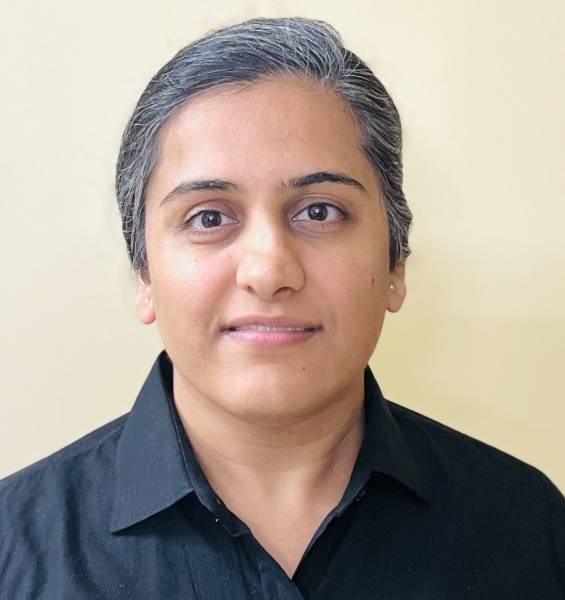
Pallavi Singal is the Vice President of Content at ztudium, where she leads innovative content strategies and oversees the development of high-impact editorial initiatives. With a strong background in digital media and a passion for storytelling, Pallavi plays a pivotal role in scaling the content operations for ztudium’s platforms, including Businessabc, Citiesabc, and IntelligentHQ, Wisdomia.ai, MStores, and many others. Her expertise spans content creation, SEO, and digital marketing, driving engagement and growth across multiple channels. Pallavi’s work is characterised by a keen insight into emerging trends in business, technologies like AI, blockchain, metaverse and others, and society, making her a trusted voice in the industry.








