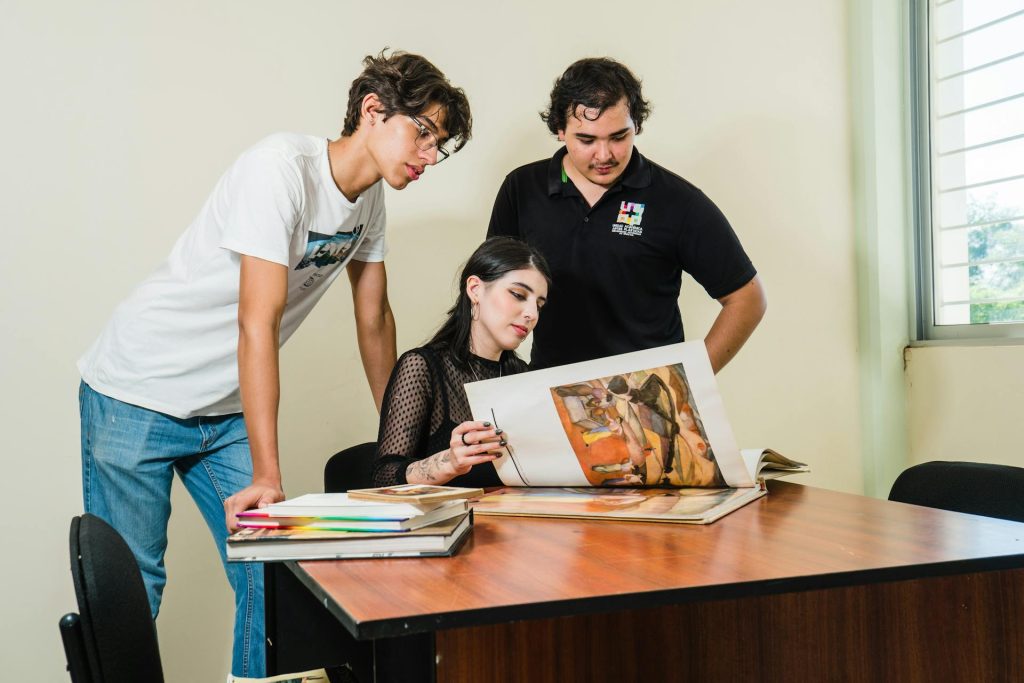
The modern classroom is undergoing a remarkable transformation, driven by the shift from traditional lecture-based instruction to dynamic, experiential learning. At the heart of this evolution is the increasing emphasis on hands-on experiments, which are reshaping how students learn and how teachers teach. Rather than relying solely on textbooks and passive note-taking, educators are embracing interactive activities that immerse students in real-world problem-solving, scientific discovery, and collaborative innovation. These changes are part of a larger movement toward making education more engaging, practical, and impactful. As educators, students, and policy-makers seek better ways to prepare the next generation for the world, hands-on experiments are emerging as a cornerstone of tomorrow’s classrooms.

Enhancing Engagement and Retention
One of the most notable benefits of hands-on experiments is their ability to engage students on a deeper level. Traditional classroom settings often struggle to maintain attention in an age where distractions abound. Experiential learning invites students to take an active role in their education. Whether building a model, conducting a science experiment, or solving a real-world math problem, students become participants rather than passive observers. This involvement piques curiosity and leads to better retention of information.
Creating Inclusive Learning Opportunities
Inclusive learning environments thrive when students of all backgrounds and abilities are given the tools to explore concepts in ways that resonate with their learning styles. Incorporating curriculum extends beyond traditional lessons to foster investigative and collaborative student learning, giving every learner a chance to actively participate and succeed. This approach is effective when using inquiry-based models like openscied, which supports hands-on, student-driven exploration in the middle of the classroom experience. By focusing on real-world phenomena and encouraging group problem-solving, such programs help teachers engage diverse learners in meaningful ways.
Integrating Technology to Expand Experimental Possibilities
As technology becomes more integrated into education, the scope of hands-on experiments continues to grow. Digital tools such as virtual labs, coding kits, and 3D printers are now commonly used in classrooms to supplement physical experiments. These innovations allow students to explore scenarios that might be too dangerous, expensive, or complex to replicate in real life. For example, students can simulate chemical reactions in a virtual lab without the risks associated with handling real substances. Coding a robot to complete tasks provides an interactive way to learn programming logic and engineering principles.
Fostering Critical Thinking and Problem-Solving Skills
Hands-on experiments serve as a powerful catalyst for critical thinking and problem-solving. When students are given materials and a challenge, they must navigate through trial and error, apply logical reasoning, and adapt their strategies. These real-time challenges simulate the complexities of real-life situations, allowing students to cultivate skills they will need in their future careers. For example, in a STEM classroom, students might be asked to design a bridge using limited resources. This task requires them to test structural integrity, calculate load-bearing capacities, and revise their designs, all vital problem-solving skills.
Encouraging Collaboration and Communication Skills
Hands-on experiments naturally promote collaboration among students, fostering teamwork and communication. Many classroom experiments are designed for small groups, requiring students to delegate tasks, share ideas, and work toward a common goal. These interactions mirror real-world team dynamics and teach students how to navigate interpersonal relationships in professional settings. Articulating their process and findings encourages clear and effective communication. This ability to express complex ideas, listen actively, and provide constructive feedback is crucial in school and every area of life. By making collaboration an integral part of the learning process, educators are helping students build important social and professional competencies.
Bridging the Gap Between Theory and Real-World
Perhaps one of the most transformative aspects of hands-on experiments is their ability to bridge the gap between theory and real-world application. Concepts that once seemed abstract or irrelevant gain new meaning when students see them in action. For example, learning about photosynthesis becomes much more tangible when students grow plants under different light conditions and observe the outcomes. This practical application reinforces theoretical knowledge and demonstrates its relevance to everyday life and future careers. Students begin to understand that what they learn in school can solve real problems, inspire innovations, and make a meaningful difference.
As education continues to evolve, hands-on experiments stand out as one of the most effective ways to prepare students for the challenges of tomorrow. They enhance engagement, support diverse learning needs, foster critical thinking, and connect theory to real-world practice, all while making learning more enjoyable and relevant. By embracing these interactive methods, educators are teaching lessons and shaping a generation of curious, capable, and collaborative learners. In a world where adaptability and innovation are key, the classrooms of the future will undoubtedly be built on the foundation of hands-on, experiential learning.