Gift cards used to be a polite “I wasn’t sure what to get you” solution. In 2026, they look a lot more like a practical, tradable instrument that moves value across apps, communities, and borders with surprising ease, although many internet users still look for free items. The shift did not happen because gift cards became glamorous. It happened because digital commerce got stricter about friction. People now expect checkout to work the first time:
- in the currency they already hold
- on the device they are already using
Gaming helped push that expectation into a daily habit. Players move between titles, stores, and social spaces fast. They top up balances in small amounts, often, and they do it at odd hours. That makes speed and certainty more valuable than novelty. At the same time, online marketplaces have made prices more visible and supply more flexible. When a gift card code can be
- sourced quickly,
- priced competitively,
- redeemed instantly,
It stops behaving like a one off present and starts behaving like inventory. For investors and operators, the interesting part is not sentiment. It is a market structure. Gift cards now sit at the junction of consumer payments, digital distribution, and platform growth. When that junction gets busy enough, “liquidity” stops being a metaphor and becomes a measurable feature of the ecosystem.
The checkout bridge between fiat players and crypto-first games
Crypto-first gaming has a simple promise: fast settlement, global reach, and digital ownership that can travel. In practice, the first barrier is even simpler. Many players still do not hold crypto when they arrive.
The payment stack becomes strategic here, and advanced sites like https://thunderpick.io/esports that combine esports gaming with the advantages of crypto, step up their game by adding up on payment flexibility. Let’s explain why. The most effective crypto gaming flows do not force every user to become a crypto user on day one. Instead, they build a bridge that lets a player pay with familiar rails while the platform handles the behind the scenes conversion. In that bridge, gaming sites offer gift cards as a parallel on-ramp to crypto payments. The player stays in a comfort zone, while the platform still captures the benefits of a crypto-ready backend.
Gift cards as controlled entry tokens
Mechanically, it works because a gift card is a controlled container for value. It can be:
- bought with cards, bank transfers, or local methods that a user already trusts
- delivered instantly as a code
- redeemed in a way that looks like a normal top up
The key is that the gift card becomes an “entry token” that does not require the user to hold crypto first. From the user’s view, it is a simple swap: money in, playable value out. From the platform’s view, it is a clean funding event that can be routed into whatever settlement or treasury system it prefers.
Over time, this also changes how gift cards behave in the wider market. When gaming sites offer gift cards alongside crypto payments, they create steady demand for certain denominations and brands of value. Demand that is frequent, global, and time sensitive is exactly what supports liquidity. Gift cards begin to look less like leftovers in a drawer and more like a flexible unit that can be sourced, priced, and used with minimal delay.
Why liquidity forms when scale meets acceptance
Once you zoom out, the “gift card as a liquid asset” story is really about scale plus compatibility. Scale gives you constant two way flow, people buying and redeeming all day. Compatibility means the value can be applied across many digital contexts, especially where users already spend time.
| Signal | Recent data point | What it suggests for gift card liquidity |
| Global gaming player base | 3.6B players in 2025 | A huge, always-on audience that repeatedly tops up and redeems |
| Global gaming revenues | $188.8B in 2025 | High digital spend that rewards fast, low-friction funding methods |
| Global gift card market size | $1,400.09B in 2025 (projected $1,491.31B in 2026) | A large pool of stored value that can be routed into digital use cases |
| Merchant payment acceptance (surveyed payment pros) | Gift cards/vouchers accepted by 25% vs cryptocurrency at 10% | Gift cards can be more “plug in” than crypto in many checkout stacks |
Taken together, these figures show why marketplaces are willing to treat gift cards as near-cash inventory. Gaming is large enough to provide repeat usage, and gift cards are large enough to supply value at meaningful volume. Meanwhile, acceptance patterns matter. Even among merchants that track payment methods closely, gift cards show up more often than crypto at checkout. That makes gift cards useful as a “universal adapter” between what users have and what a platform wants to accept.
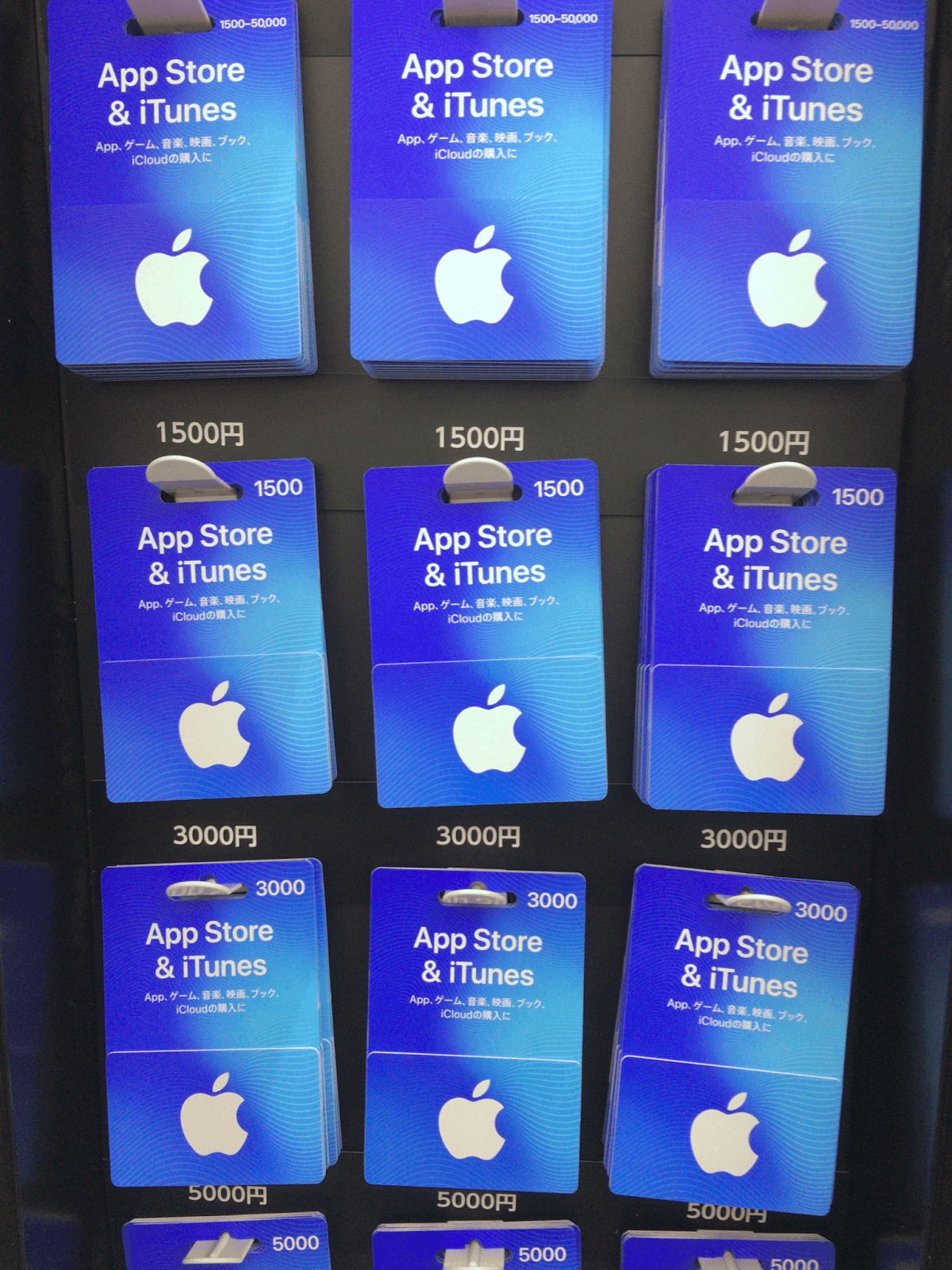
Apple is one of the major players in digital stores and also controls a huge gaming hub: Apple Arcade. It offers gift cards that, over time, have become more and more popular as a one-stop solution not only for games but also for iTunes, music, and movies.
What makes gift cards feel “liquid” in 2026
Liquidity is not only about size. It is also about confidence. Buyers need to believe they can source value quickly and redeem it smoothly. Sellers need to believe they can price it fairly and move it without long delays. That confidence comes from tight loops: purchase, delivery, redemption, repeat.
One reason gift cards fit this loop is that they behave like stored value that can ride on habits people already have. A Europe gift card market report says: “As wallets gain ubiquity, consumers increasingly perceive stored-value gift cards as a frictionless extension of everyday payment habits.”
The other reason is demand visibility. In retail seasons, gift cards become a clear, measurable pool of spend, which encourages better distribution and faster delivery options. For example, the National Retail Federation reported that consumers planned to spend $29 billion on gift cards in 2025, and that 43% of shoppers planned to purchase at least one gift card.
Put those pieces together and you get a simple outcome: gift cards are no longer only a “gift.” They are a fast funding format that can move through gaming hubs and online marketplaces with predictable timing. In a world that rewards instant access, that predictability is the core of liquidity.

Peyman Khosravani is a global blockchain and digital transformation expert with a passion for marketing, futuristic ideas, analytics insights, startup businesses, and effective communications. He has extensive experience in blockchain and DeFi projects and is committed to using technology to bring justice and fairness to society and promote freedom. Peyman has worked with international organizations to improve digital transformation strategies and data-gathering strategies that help identify customer touchpoints and sources of data that tell the story of what is happening. With his expertise in blockchain, digital transformation, marketing, analytics insights, startup businesses, and effective communications, Peyman is dedicated to helping businesses succeed in the digital age. He believes that technology can be used as a tool for positive change in the world.