
In industries where transportation plays a central role, managing fleets efficiently is critical to long-term success. From delivery services and logistics companies to construction and utility providers, businesses that rely on vehicles face constant challenges related to safety, productivity, and cost management. Fleet monitoring has emerged as a solution that addresses these challenges by leveraging advanced technologies like GPS tracking, telematics, and real-time data analysis. By adopting these systems, companies can improve driver behavior, reduce risks, optimize routes, and boost operational performance. Below, we explore six key ways fleet monitoring enhances safety and efficiency for modern businesses.
Enhancing Driver Safety Through Real-Time Insights
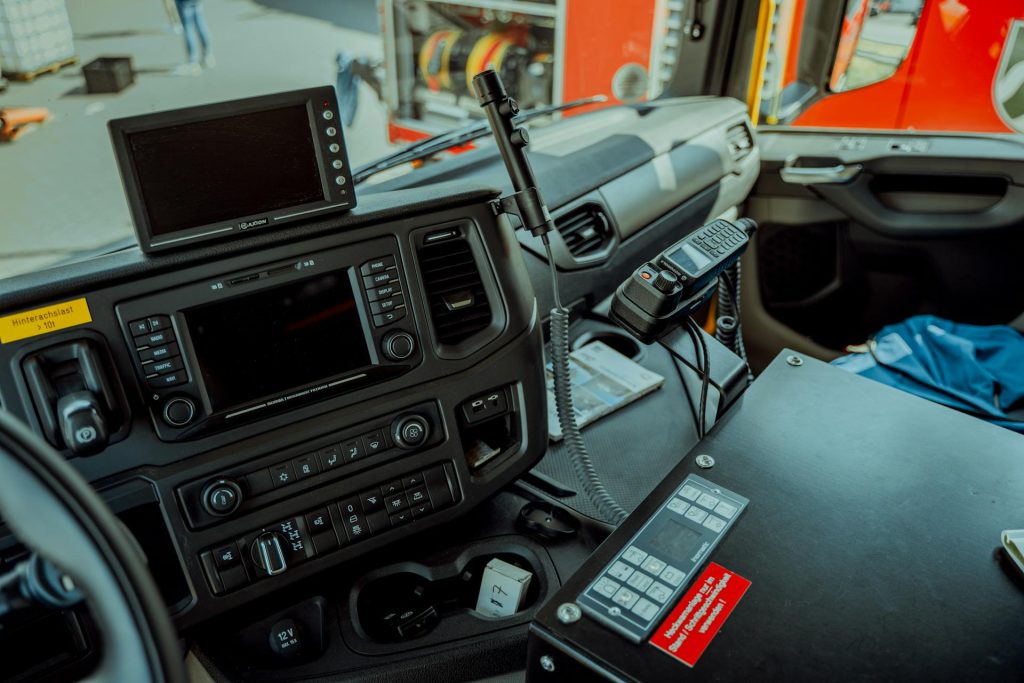
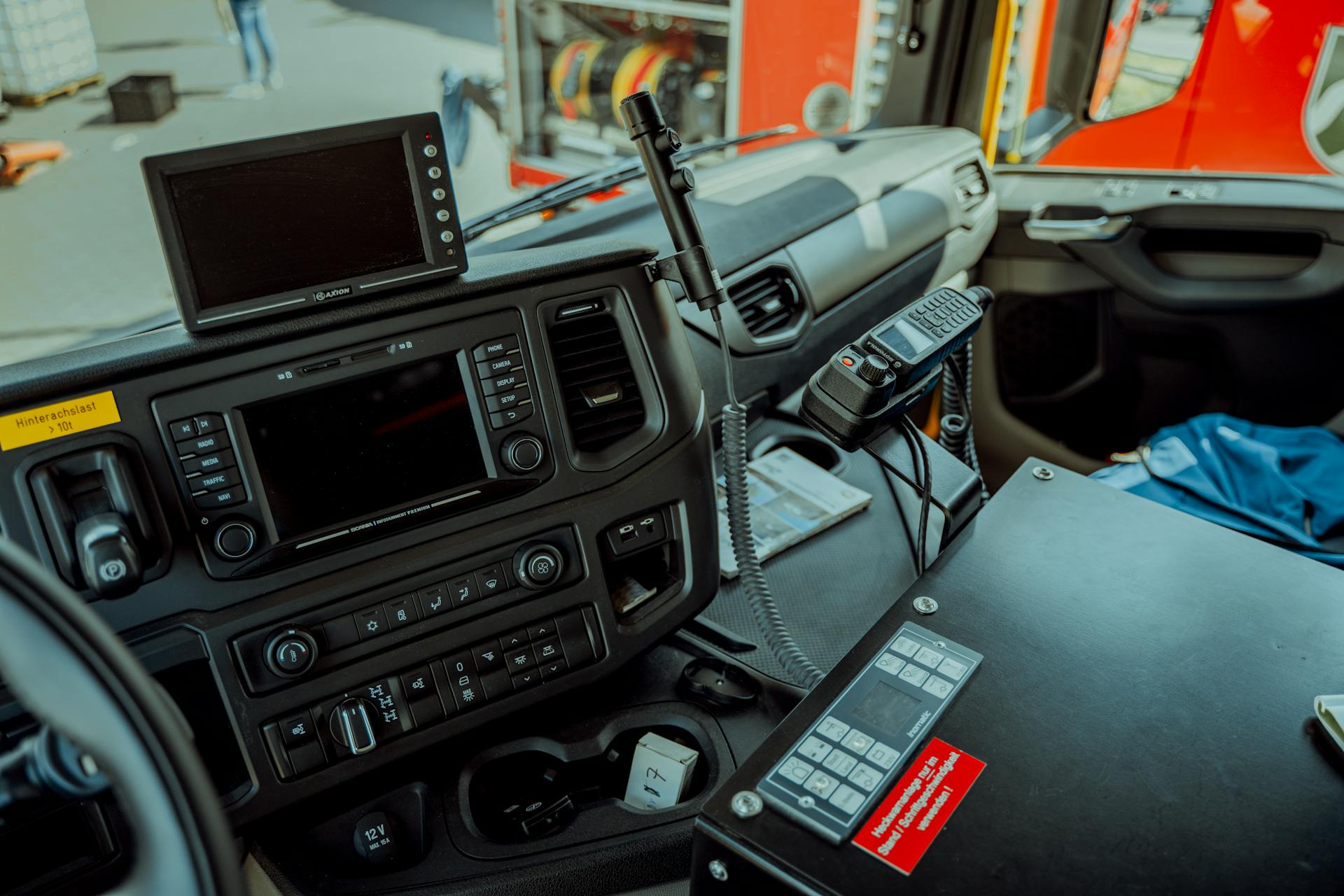
Enhancing driver safety is a crucial goal for any organization that operates a fleet, as it directly impacts employees and the public. Real-time monitoring systems allow managers to track speed, braking, and other driving behaviors, providing actionable insights to prevent accidents before they occur. In particular, fleet tracking and video for ambulances & fire trucks offer valuable information that can help identify risky maneuvers or patterns during emergency responses, allowing for targeted training and coaching. By leveraging these technologies, companies can create safer driving habits, reduce the likelihood of collisions, and ensure that drivers are supported with the tools and information they need to operate responsibly on the road.
Reducing Operational Costs with Route Optimization
Efficiency in fleet management is closely tied to reducing unnecessary expenses, and route optimization is a prime example of how monitoring technology makes this possible. Fleet tracking systems analyze traffic conditions, delivery schedules, and driver availability to recommend the most efficient routes. By minimizing travel distances and idle time, businesses save significantly on fuel consumption and vehicle maintenance. In industries where margins are thin, these cost savings can be the difference between profitability and financial strain. Timely deliveries cut expenses and improve customer satisfaction, making optimized routing a competitive advantage.
Strengthening Compliance and Risk Management
Compliance with local and international regulations is a non-negotiable aspect of operating a fleet. Fleet monitoring systems help businesses stay compliant with hours-of-service rules, vehicle inspection schedules, and environmental regulations. For example, digital logging devices automatically track driver working hours, reducing the risk of human error and ensuring adherence to safety standards. Beyond legal compliance, this technology plays a vital role in risk management. By documenting vehicle usage and driver performance, companies create reliable records that can protect them in case of accidents or disputes. The result is a safer, more transparent operation that reduces liability and strengthens trust with stakeholders.
Improving Vehicle Maintenance and Longevity
A proactive approach to vehicle maintenance is another way fleet monitoring supports safety and efficiency. Modern systems can track engine performance, tire pressure, fuel usage, and other mechanical data in real time. This allows businesses to identify potential issues before they escalate into costly repairs or dangerous breakdowns. Scheduled alerts for routine maintenance ensure that vehicles remain in top condition, extending their lifespan and reducing downtime. By investing in preventive care, companies protect their assets and guarantee that drivers operate reliable vehicles, lowering risks on the road.
Boosting Productivity Through Data-Driven Decisions
Data is the foundation of effective fleet management, and monitoring systems provide businesses with a wealth of actionable insights. Managers can review reports on fuel efficiency, route performance, and driver productivity to identify areas of improvement. If data shows consistent delays in certain areas, companies can adjust delivery schedules or assign alternative routes. Tracking driver performance metrics helps allocate resources more effectively, rewarding high performers and providing support where needed. With data-driven decision-making, businesses gain the ability to streamline operations, reduce waste, and achieve higher levels of productivity without compromising safety.
Building a Culture of Accountability and Improvement
Fleet monitoring provides tools for management and promotes a culture of responsibility among employees. When drivers know that their performance is being tracked, they are more likely to adopt safe and efficient driving habits. This accountability becomes embedded in the company’s culture, leading to continuous improvement across the fleet. Transparent communication between management and drivers fosters trust, as employees understand that monitoring systems are for support, such as providing evidence in case of false claims. By blending technology with human engagement, businesses build safer, more efficient fleets while maintaining employee morale.

Fleet monitoring has become an indispensable tool for businesses seeking to improve safety and efficiency. By providing real-time insights into driver behavior, optimizing routes, ensuring compliance, enhancing maintenance, and leveraging data for decision-making, these systems transform fleet management into a strategic advantage. More importantly, they help establish a culture of accountability and continuous growth, ensuring long-term benefits for businesses and their employees. In an increasingly competitive marketplace, companies that adopt fleet monitoring are better positioned to reduce risks, cut costs, and deliver consistent value to their customers.









