Property damage can happen in an instant, leaving owners to deal with a mess of debris, water, or structural issues. Navigating the path to a full recovery requires a clear plan and the right set of hands to manage the workload.
Speed and precision are the most important factors when dealing with these types of situations. If a building sits damaged for too long, the costs to fix it can grow much higher very quickly.
Professional Evaluation Of Structural Integrity
The first step in any repair project is a detailed look at the bones of the building. Professionals check for hidden weaknesses that might not be visible to the naked eye at first glance. They use special tools to measure moisture levels and scan for cracks in the foundation or walls.
Safety is the top priority during this phase of the work. Many owners might want to rush in, but experts know that a weakened structure can be a major hazard.
A recent report on the industry mentions that water damage restoration involves a professional process of removing water, drying areas, and repairing damage from water intrusion. Once the water is gone, the real work of restoring the space can truly begin.
Modern Logistics In Property Management
Managing a large repair project requires a high level of organization. There are many different materials to order and several different types of workers to coordinate. If one part of the schedule slips, it can cause a delay for every other task on the list.
Modern companies use digital tools to track every nut and bolt used in the project. These systems help keep the budget on track and ensure that the right people are on-site at the right time.
Efficiency is found in the details of how these resources are moved and used. Finding the right commercial reinstatement experts is a major part of making sure the project stays on schedule. Reliable teams know how to handle the paperwork and the physical labor without missing a single beat.
Budgeting For Large Scale Restoration
The cost of fixing a property can be quite high, especially after a major event or disaster. Owners need to understand where their money is going and how to get the most value for every dollar.
Experienced contractors can often find ways to save money by sourcing materials in bulk. They know which repairs are most urgent and which ones can wait a little longer.
Market data suggests that the property restoration services market size is expected to grow from $52.79 billion in 2025 to $55.81 billion in 2026. Higher demand often leads to better technology and more skilled workers entering the field.
Specialized Equipment For Faster Drying
Removing moisture is one of the hardest parts of restoring a building after a flood or leak. Standard fans and open windows are rarely enough to get the job done right. Experts bring in heavy-duty dehumidifiers and air movers that can pull water out of deep layers of wood and drywall.
Using this gear helps prevent the wood from warping and keeps the air clean for everyone inside. It speeds up the timeline significantly, allowing painters and floor installers to start their work sooner.
Tech advancements have made this equipment smaller and more powerful than ever before. Some machines can even be monitored remotely by the team to check on progress during the night.
Navigating Insurance Claims And Documentation
Dealing with insurance companies is often the most stressful part of property repairs for an owner. There are dozens of forms to fill out, and very specific proof of damage is usually required. Missing one small detail can lead to a claim being denied or delayed for months.
Restoration pros know exactly what insurance adjusters are looking for when they visit a site. They keep careful records, take plenty of photos, and write detailed reports of every action taken.
Having a pro handle the talking points can result in a much better outcome for the claim. They speak the language of the industry and can explain why certain repairs are necessary for safety.
Quality Control And Final Inspections
Once the heavy lifting is done, the focus shifts to the finishing touches. This is when the crew checks the paint, the trim, and the function of all doors and windows. Every detail must meet the standards set at the beginning of the project.
Final inspections are about making sure everything functions as it should. Electrical outlets are tested, and plumbing is checked for any new leaks that might have appeared during construction.
A good team will walk through the space with the owner to point out everything that was fixed. They want to make sure the client is happy and that the building is ready for daily use again.
Future Proofing Through Better Repairs
When fixing a building, it is a smart move to look for ways to make it stronger than it was before. Using better materials or modern building techniques can help prevent the same damage from happening twice.
Updates to the plumbing or electrical systems can make the building more energy efficient. Many owners choose to add better insulation or smart sensors while the walls are already open.
Taking a proactive approach to repairs means the property will hold its value much better. It gives the owner peace of mind knowing that the building is solid and prepared for the future. Restoration is more than just fixing the past; it is about building a better tomorrow.
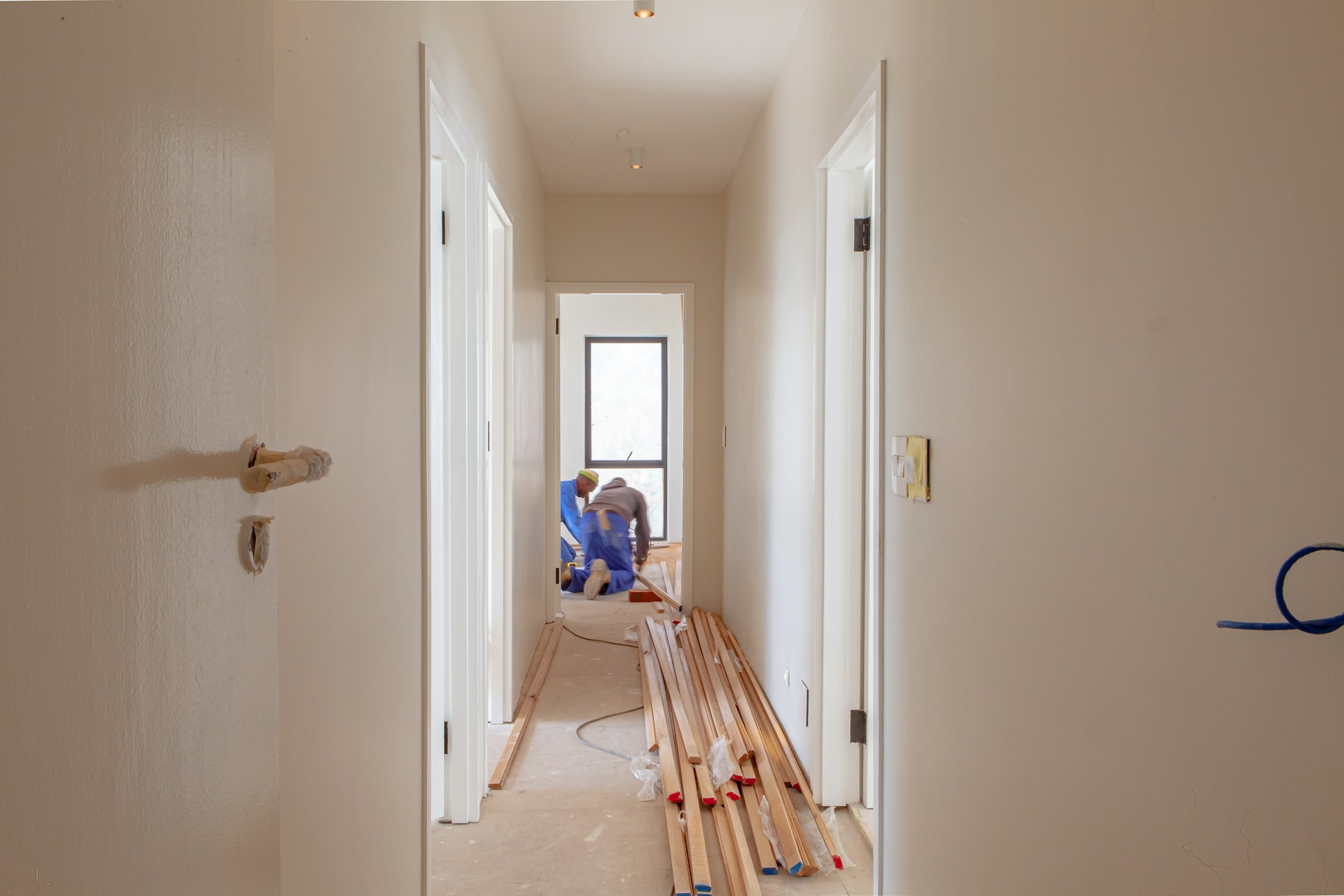
The road to a full recovery after property damage is long, but it does not have to be traveled alone. With the right help, a damaged space can be turned back into a functional and beautiful environment. The key is to act quickly and trust the people who have the skills to handle the job.
Every repair made is a step toward getting life back to normal. By focusing on quality and efficiency, the process becomes a way to improve the property for the long haul. A well-restored building stands as a sign of resilience and smart planning for any owner.

A dad of 3 kids and a keen writer covering a range of topics such as Internet marketing, SEO and more! When not writing, he’s found behind a drum kit.