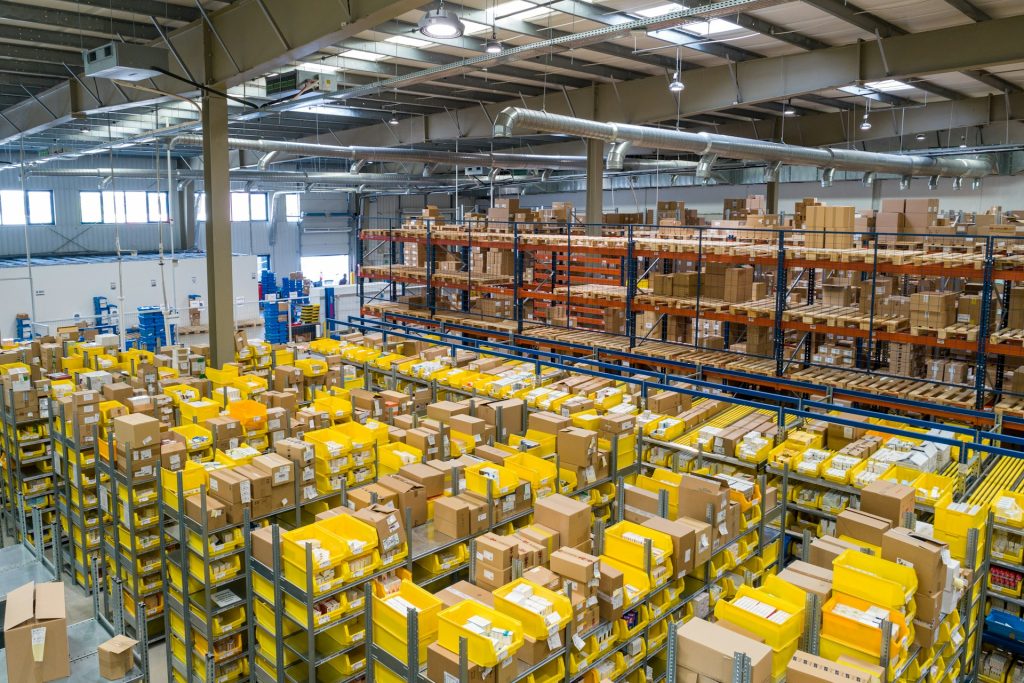
Smart floor plans change how a facility functions from morning to night. A logical setup keeps products moving and reduces the time spent searching for items. It sets a professional tone for the entire staff.
Safety improves when every person and machine has a clear path to follow. Avoiding clutter keeps the team focused on the task at hand. This environment helps prevent long-term wear on equipment, too.
Maximizing Floor Space
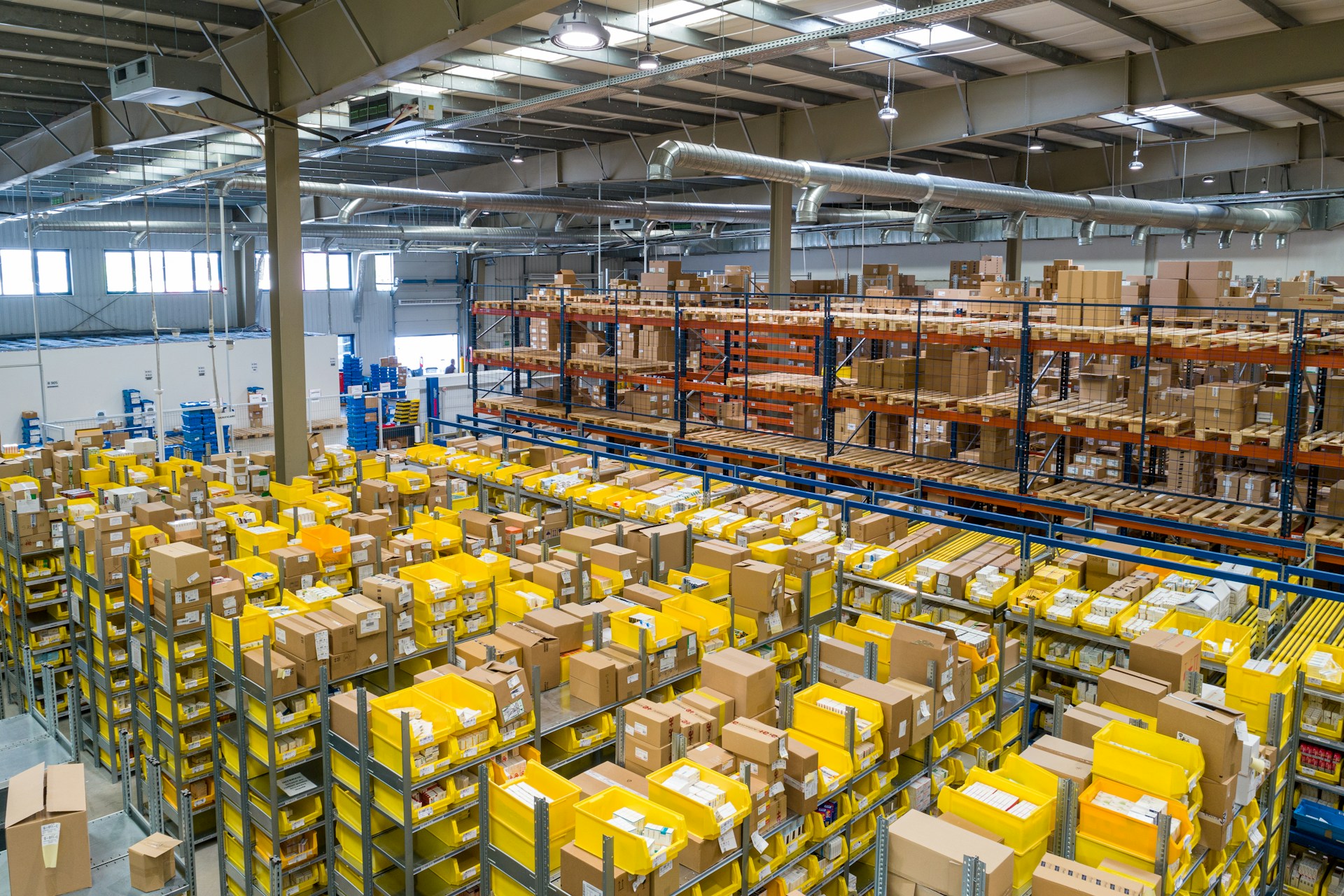
High shelves help store more products without moving to a bigger building. This approach makes use of every inch of available room. Managers can store extra inventory without renting off-site units.
Planning for space means looking at every corner of the room. By choosing the right custom warehouse storage systems for the space, managers make the whole building feel larger. Workers find what they need in seconds, which keeps the shipping schedule on track. Proper shelving prevents heavy items from blocking the way.
Clear aisles allow staff to move around without any stress. Logic reduces fatigue and keeps the team sharp until the end of the shift. Keeping paths open makes it easy to clean the floor at night.
Planning For Future Growth
The demand for better building designs is growing fast as companies look for more space. Spending money on a solid plan now saves a lot of trouble later. Business owners see the value in a facility that grows with them.
A market report by Future Market Insights predicts the warehouse layout industry will reach over $10 billion by 2035. The growth shows how much value businesses place on a well-ordered work area. Industry leaders are investing in design services to stay ahead of the curve.
Planning early prevents costly redesigns that can stop work for weeks. It lets a business scale up without any major breaks in the schedule.
Picking The Best Flow Pattern
Different layouts serve different needs based on how goods move through the dock. The shape of the path determines how fast items leave the door. Choosing the wrong flow can double the time it takes to fill an order.
Information from ByExpress suggests that a U-shaped design works best for high-volume centers. This setup allows receiving and shipping to happen at the same time without cross-traffic issues.
Avoiding traffic jams on the floor reduces the risk of collisions between staff and machines. It creates a steady rhythm that everyone can follow with ease. A calm workspace leads to fewer errors in the picking process.
Utilizing Vertical Storage Density
Going up is often better than going out when space gets tight. Tall racks utilize empty air space that usually goes to waste. Vertical solutions turn a small footprint into a high-capacity hub.
A guide from MyStorage notes that using high-rise shelving can boost storage density by 40 percent. This method lets you keep more stock in the same footprint. It is a cost-effective way to avoid the high price of new construction.
Rising prices make the efficiency even more critical for the bottom line. Experts at Kardex point out that US warehouse costs climbed to nearly $10 per square foot in 2025. Saving even a small amount of floor space adds up to big savings every year.
Improving Safety With Modern Standards
Safety is just as key as speed for a successful operation. A messy floor leads to trips and falls that slow down the whole day. Clear signs help everyone stay in the right lane.
- Keep pedestrian paths separate from forklifts.
- Mark every zone with clear floor tape.
- Check racks for damage every week.
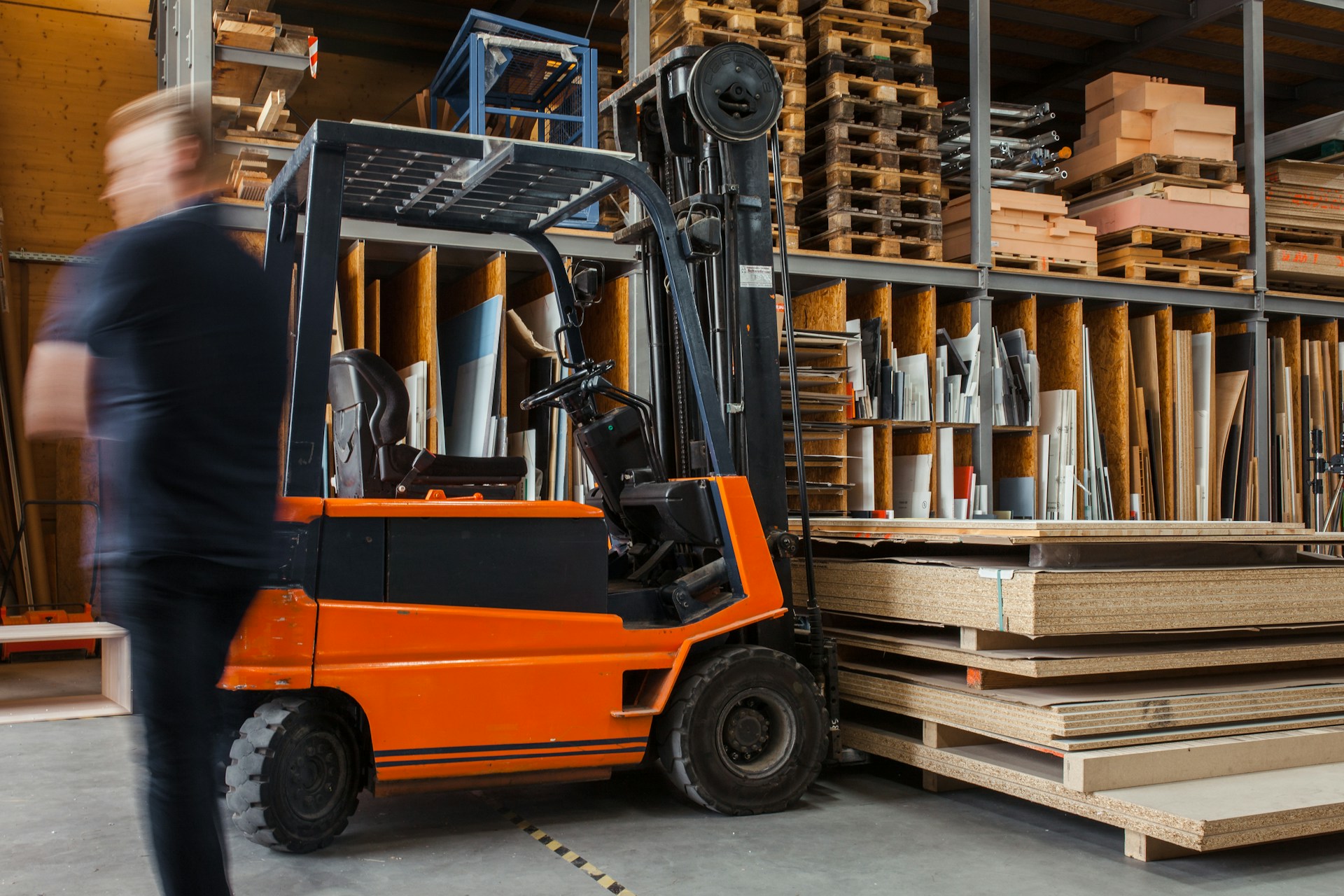
Research from the OSHA Online Center states that forklifts cause nearly 25 percent of all warehouse accidents. Managing where these machines drive is a top priority for any manager. Training programs work best when the physical layout supports the rules.
Tall structures help keep the floor clear of stray pallets. Experts at Exotec mention that automation systems with tall vertical storage maximize space and keep goods out of the path of foot traffic. It keeps the ground level open for safer movement.
Integrating Smart Technology
Technology is changing how we think about floor plans and pallet spots. Robots and sensors help track where every item sits in real time. Data helps managers spot problems before they slow down the shift.
Data from Omniful predicts that 50,000 robotic warehouses could be active by 2026. Robots need specific paths to work alongside human team members without any issues. High-speed internet and power grids must be part of the design.
New machines help manage dynamic workflows and fluctuating demand. An article from JR Automation mentions that autonomous mobile robots provide the flexibility needed to transport goods without fixed infrastructure.
Better layouts change the way a team works every single day. The focus stays on moving goods safely and reaching goals without extra stress. Managers who invest in their space see better results in every department.
Efficiency comes from smart planning and the right tools for the job. A clean and logical space keeps the business ready for whatever the market brings next. Consistent improvements to the layout keep the facility running like a clock.

A dad of 3 kids and a keen writer covering a range of topics such as Internet marketing, SEO and more! When not writing, he’s found behind a drum kit.