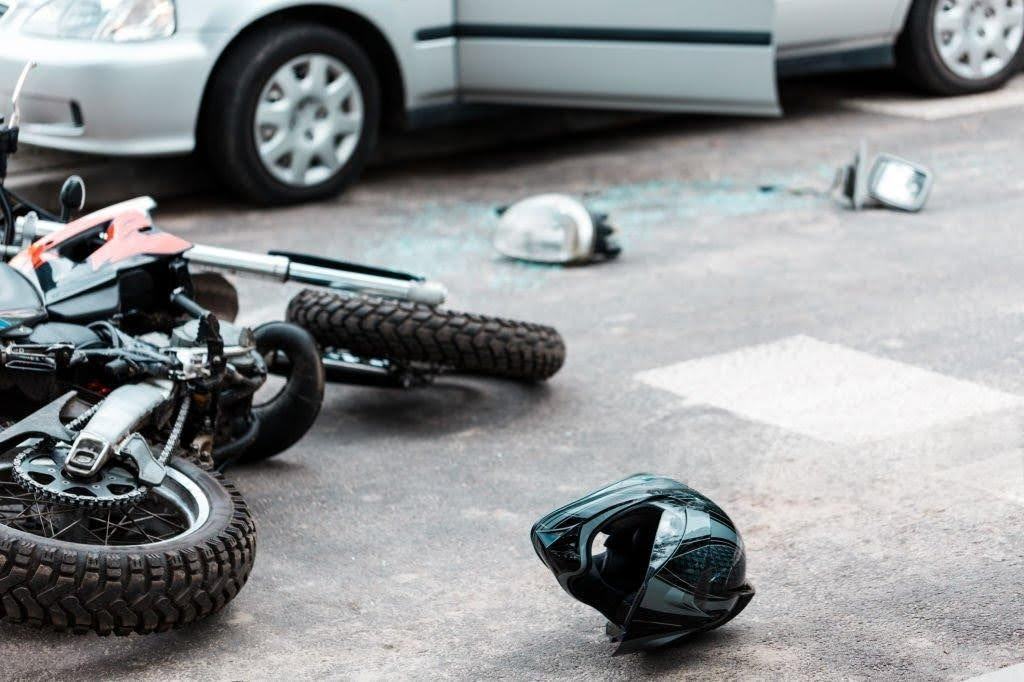
Motorcycles can disappear in the areas drivers do not easily see, even in clear daylight. A blind spot is the space beside and slightly behind a vehicle where mirrors fail to capture traffic. When a rider sits there, a driver may genuinely believe the lane is empty. That misunderstanding often becomes dangerous the moment a car shifts lanes or turns. After a motorcycle crash in California, Salamati Law Accident Attorney in Los Angeles brings rider-focused case experience. Understanding how these collisions start helps riders anticipate risk and helps families document what went wrong.
What Blind Spots Are and Why Motorcycles Are Harder To Detect
Most passenger vehicles have mirror gaps on both sides near the rear doors and rear quarter panels. Larger vehicles add wider gaps because their bodies and pillars block more sightlines. A motorcycle has a narrow profile, so it occupies less visual space in those gaps. If the rider is not moving relative to the car, the bike may stay hidden for several seconds. Night riding, glare, and heavy traffic make detection even harder for a distracted driver. The result is a situation where a driver acts with confidence while the rider braces for impact.
How Lane Changes Turn a Hidden Bike Into a Crash
A lane change can go wrong when a driver checks mirrors but never turns their head. The driver may drift or merge into the rider’s space and force an abrupt evasive move. When the rider brakes hard, swerves, or hits a road edge, a secondary crash can follow. Many reports describe unsafe lane change collisions as sudden and violent because the rider has little room to respond. Even a light sideswipe can destabilize a bike and throw the rider into another lane. These crashes often look simple on paper, yet the timing and visibility details matter for fault.
Left Turns, Merges, And Door Openings That Begin In A Blind Spot
Blind spot risk is not limited to highways and multi lane boulevards. Drivers turning left across traffic may misjudge an oncoming motorcycle that is partially obscured. On ramps and surface street merges create similar problems when a driver focuses on cars and misses a smaller bike. Sudden door openings can also strike a rider who is filtering through slow traffic near parked vehicles. In each scenario, the rider is present, but the driver’s scanning pattern fails to register the bike. That failure can be worsened by distraction, fatigue, or overreliance on driver assistance alerts.
Rider Habits That Reduce Risk Without Eliminating It
Riders can lower exposure by avoiding extended time beside another vehicle’s rear doors. Adjusting speed slightly helps a rider move into a driver’s forward field of view. Bright lighting, reflective gear, and clear lane positioning can increase the chance of being noticed. Keeping a larger following distance improves reaction time if a car suddenly moves sideways. A short horn tap may help when a vehicle begins to drift, though it is not a guarantee. Even with smart habits, the burden remains on drivers to merge and turn only when it is safe.
After A Blind Spot Crash, What Matters For Accountability
After a collision, the first priority is medical care and a clear record of symptoms and treatment. Photos of vehicle positions, damage patterns, and skid marks can clarify how the impact unfolded. Witness names and quick statements can help confirm whether a driver failed to check over the shoulder. Helmet damage, torn clothing, and bike condition can also support the force and direction of the strike. Insurance narratives may minimize the blind spot factor, so consistent details become important early. A careful timeline often shows that the rider was visible long enough for a reasonable driver to avoid the merge.
A blind spot crash usually begins with a simple visibility gap and ends with life changing injuries. These cases often hinge on ordinary decisions like scanning, signaling, and waiting one more second. Riders can reduce risk by staying out of blind spots, yet they cannot control a driver’s attention. When a crash occurs, documenting how the lane change or turn happened can shape the outcome of a claim. The most useful explanations connect visibility, timing, and the driver’s specific movement into the rider’s space. Knowing these patterns helps riders ride smarter and helps injured people speak clearly about what caused the collision.

Peyman Khosravani is a global blockchain and digital transformation expert with a passion for marketing, futuristic ideas, analytics insights, startup businesses, and effective communications. He has extensive experience in blockchain and DeFi projects and is committed to using technology to bring justice and fairness to society and promote freedom. Peyman has worked with international organizations to improve digital transformation strategies and data-gathering strategies that help identify customer touchpoints and sources of data that tell the story of what is happening. With his expertise in blockchain, digital transformation, marketing, analytics insights, startup businesses, and effective communications, Peyman is dedicated to helping businesses succeed in the digital age. He believes that technology can be used as a tool for positive change in the world.