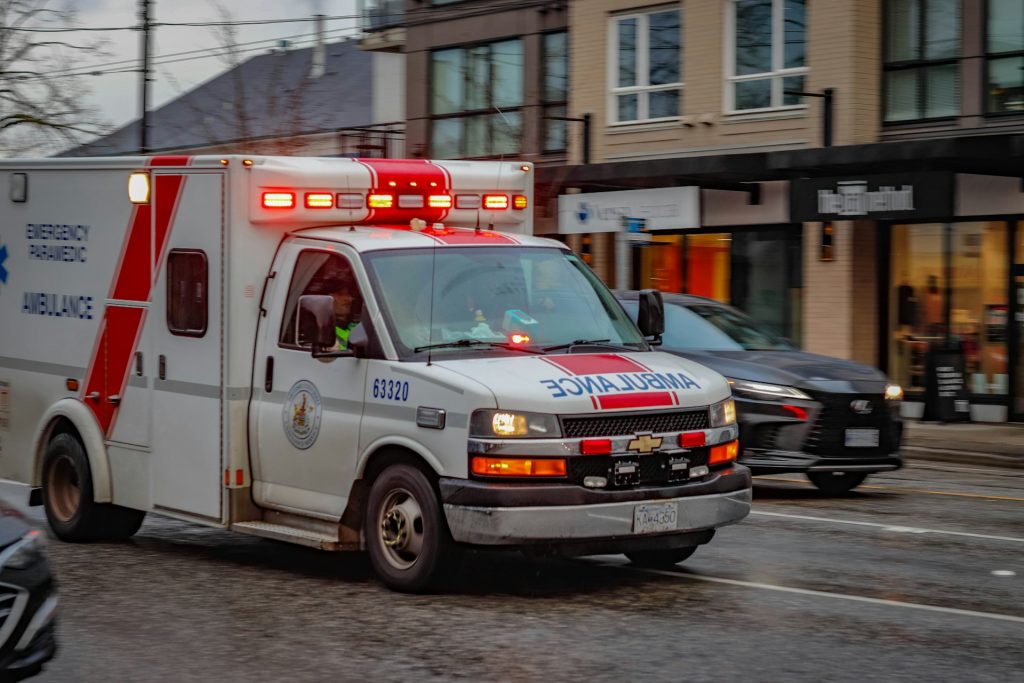
Do you know that, according to the Red Cross, approximately 1,000 out-of-hospital cardiac arrests are assessed by emergency medical services in the United States every day? Yet a study in the Heart and Lung Journal reports that survival rates hover at just 25% to discharge. This means many cardiac arrest victims arrive without having received optimal pre-hospital care, making your emergency department’s readiness even more critical.
So, what does your department need to consistently save lives in these cases? You don’t need to invest larger budgets in advanced equipment; it’s about the precision of your Cardiopulmonary Resuscitation technique, refined through regular CPR recertification. How does maintaining your certification give you the confidence to save a life? Read on to find out!
Why Regular CPR Recertification Matters in Emergency Departments?
The emergency department operates in a high-stakes environment where preparation gaps can be fatal. Routine CPR recertification will keep your skills sharp and up to date with the most current guidelines. Here’s how your commitment to CPR recertification directly affects your ability to save lives when emergencies arise:
Improved Muscle Memory and Response Times
Your body remembers your regular practice patterns. CPR recertification training reinforces your physical movements and decision-making processes. As a result, you can process emergency situations faster and without making any delays in your response.
Updated Guidelines and Techniques
You can learn the evolving medical knowledge through recertification. The 2024 First Aid Guidelines represent the latest evidence-based practices, including refined compression techniques and improved airway management. These new additions facilitate team coordination procedures and directly enhance patient outcomes.
Legal and Professional Requirements
Your recertification can protect both patients and your career. Healthcare facilities require current CPR certification for most positions. The Red Cross recommends renewing your CPR credential every two years to maintain professional standards and avoid liability issues.
Better Team Coordination
Your emergency department functions as a coordinated unit. Regular recertification ensures alignment with protocols and communication methods. This standardization eliminates confusion during high-stress situations.
Improves Quality of Compressions and Ventilations
Proper CPR technique is important to ensure better circulation and oxygenation. Recertification helps you to maintain your technical proficiency, allowing you to deliver the best compression depth in your most attempts. However, individuals who are not trained in refresher courses have substantially lower success rates.
How Does CPR Recertification Build Department Readiness?
It takes systematic methods to engage the participation of all emergency department staff for effective, comprehensive emergency preparedness. Let’s see how CPR recertification accomplishes consistent, high-quality responses for your entire department.
Staff Retention and Job Satisfaction
When you invest in CPR recertification, you are also investing to improve your staff retention rates. Workers who receive regular training report higher job satisfaction. They remain in the job longer on average, helping you to achieve reduced turnover costs.
Emergency Simulation and Drills
You can improve your department’s emergency readiness through regular simulation exercises. Monthly CPR drills result in faster code team assembly and increased first-attempt success rates. These practice sessions identify system weaknesses and reinforce protocols.
Cross-Training and Role Flexibility
Your department benefits when multiple staff members master various emergency roles. Staff can easily interchange their responsibilities even in complex resuscitation attempts, maintaining optimal team performance, despite the staffing issues.
Documentation and Compliance Standards
As a part of the emergency department, your team has to maintain detailed training records to meet regulatory requirements. Proper recertification helps you to maintain the up-to-date compliance standards. It will protect your facility in legal audits, reflecting your dedication to patient safety and professional excellence.
What are the Challenges in Implementing Emergency Department CPR Recertification?
Emergency rooms are also confronted with unique challenges to enrol in CPR recertification programs. Let us discuss some challenges with specific solutions to help you,
Complex Staff Rotation and Shift Scheduling
Your department functions 24/7 with advanced scheduling requirements. You and your team have to work different shifts, including nights, weekends, and even holidays. Scheduling training around these trends proves to be logistically difficult. Adopt flexible micro-learning modules that employees can complete during 15-minute breaks on any shift.
High-Stress Environment
As a professional in the emergency department, you have to handle high-stress environments continuously that impair your learning retention. In fact, psychological fatigue due to patient overload can diminish your training efficacy. Try to enroll in CPR recertification training sessions during early morning, when you feel mentally refreshed.
Budget Constraints
Most organizations have strict budgetary limitations on training expenses, including faculty fees, supplies, and employee replacement coverage. In fact, continuing education programs are usually the first to be cut in budget reductions. However, you can collaborate with regional training centers for group rates.
Challenges in Technology Integration
Your own facility can be short on contemporary training technology infrastructure. Older hospitals tend to have issues with legacy equipment and sparse Wi-Fi capability. Develop a hybrid model by combining offline downloadable materials with short in-person skill verification sessions.
Why Emergency Department Skips Routine Recertification?
Emergency department professionals often hold beliefs that prevent optimal recertification practices. Let us debunk some myths to facilitate the development of better training programs.
“Once Certified, Always Competent”
Most people consider that initial CPR certification ensures long-term competency. However, a study from NIH reports that CPR skills deteriorate significantly within 6–12 months without practice. Your muscle memory and decision-making speed both decline rapidly.
“Emergency Department Experience Replaces Formal Training”
Even though you handle cardiac events in your day-to-day life, it cannot be a substitute for structured recertification training. In fact, it will induce stress that might compromise your learning and skills acquisition. However, only formal training can help you to refine your skills in a controlled environment.
“Online Training Lacks Practical Value”
You may think that digital recertification is not as valuable as in-person training. Modern online programs include interactive simulations and video feedback. In fact, blended learning approaches combine online theory with hands-on practice sessions.
Renew, Respond, Rescue: Future-Proof Your Emergency Care Through CPR Recertification
Cardiac victims have a greater chance of survival when you, as an emergency professional, keep your skills and knowledge up to date. Ongoing recertification enhances your response times, team coordination, and being well-equipped to handle cardiac emergencies. Each compression depth, rhythm adjustment, and ventilation method you’ve practiced in your CPR recertification reinforces your muscle memory accuracy and the confidence necessary to save a life.
Ready to enhance your emergency department’s readiness? Sign up for an online comprehensive CPR recertification course today and ensure your team learns the up-to-date protocols, as per their convenience.