
Fraud Prevention Strategies Every Investor Should Know
Americans lost $3.8 billion to investment fraud last year. That number keeps climbing. Scammers don’t look like scammers anymore, and the schemes have gotten scary good at mimicking legitimate opportunities.
Most fraud gets stopped before money changes hands. The trick is knowing what to check and when to dig deeper. You can protect yourself, but you need to actually do the work upfront.

Warning Signs Every Investor Should Recognize
Some red flags are obvious. Others hide in plain sight. Here’s what actually matters when you’re evaluating an opportunity.
Guaranteed returns should make you run. Period. Nobody can promise you’ll make 12% annually no matter what the market does. The SEC requires most securities to be registered for a reason. When promoters dodge that requirement or claim their deal is somehow exempt, you’ve found your first problem.
Pressure is another dead giveaway. Real opportunities don’t evaporate if you take a week to think. Fund managers who rush you are hiding something. Same goes for investments wrapped in jargon nobody can explain. If three people can’t break it down in plain English, something’s wrong with the deal itself.
Background Verification Protects Your Capital
You can’t trust what people tell you about themselves. Fund managers lie on resumes. They omit bankruptcies and regulatory sanctions. They claim track records that don’t exist.
Checking Track Records and Credentials
Start with the basics. Does their education check out? Did they actually work at Goldman Sachs like they claim? You’d be surprised how often the answer is no. Criminal records matter. So do civil judgments and regulatory actions. FINRA keeps public records, but that’s just the starting point.
Some investors hire private investigation services in Burbank or their local area to verify credentials before writing big checks. It costs maybe $2,000 to $5,000 for a thorough background check. Compare that to losing $500,000 on a fraudulent fund. The math works.
Verifying Employment History
Past employers will confirm dates and titles. Former colleagues tell you what someone actually did in that role. There’s a big difference between “worked at Morgan Stanley” and “was a junior analyst in a back office role for eight months.” Both are technically true. Only one gives you confidence in their expertise.
Building Your Due Diligence Process
You need a system. Random checks catch random problems. Systematic verification catches everything.
Document Analysis
Get these documents before you invest a dime:
- Three years of audited financials from a real accounting firm
- Complete offering documents reviewed by your attorney
- Actual trading records with account statements
- All regulatory filings and compliance history
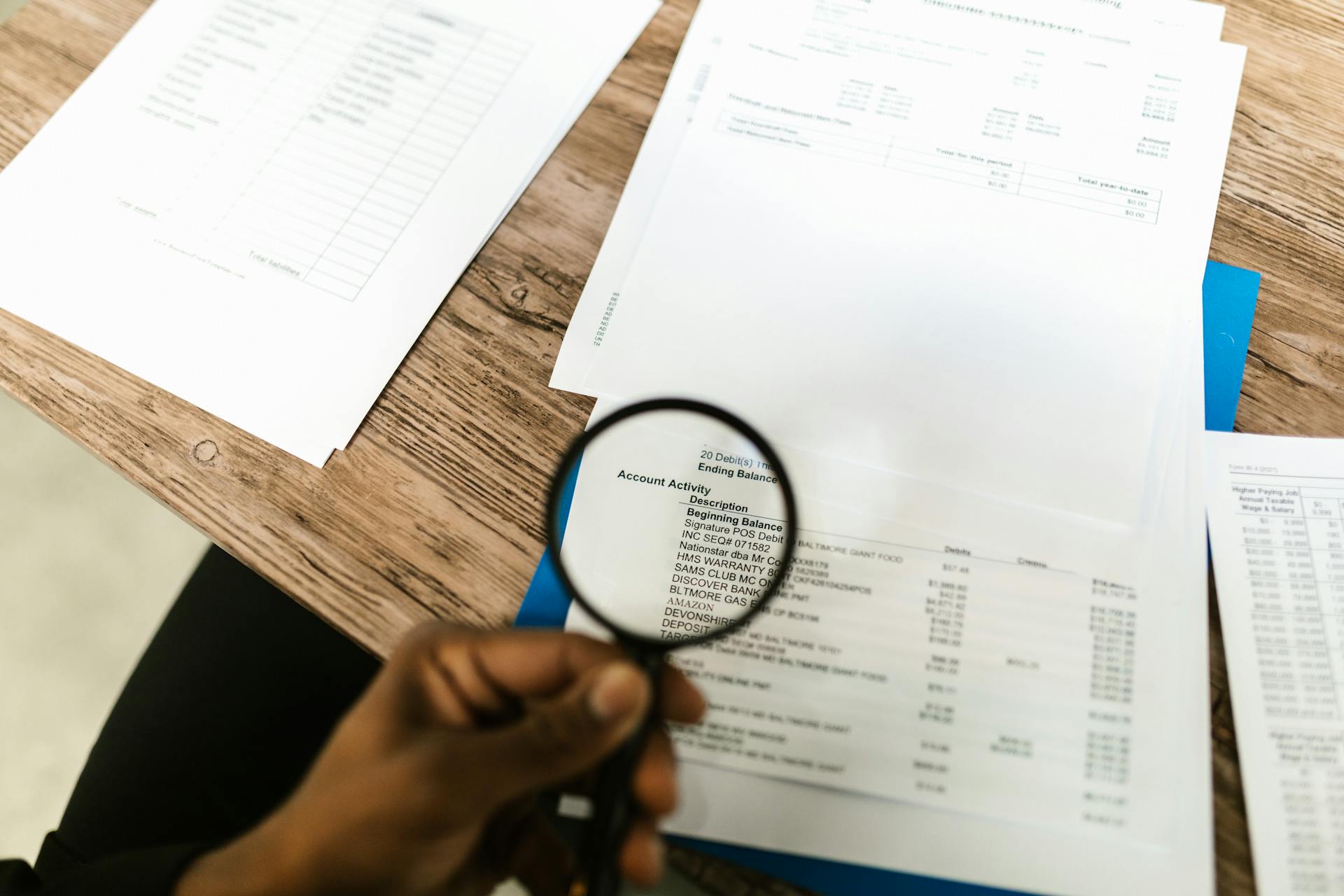
The numbers need to match across documents. If the offering circular says $50 million in assets but the audit shows $42 million, somebody’s got explaining to do. Cross reference everything.
Physical Verification Steps
Go see the office. Seriously. Fly there if you need to. You’ll learn more in 30 minutes walking through their space than in five phone calls. Is the team actually there? Do they have the infrastructure they described? Or is it three people in a WeWork with no trading terminals?
Talk to other investors too. Not the references they give you. Find investors on your own through LinkedIn or industry connections. Ask them hard questions about transparency and communication. Find out how the fund handled the 2022 downturn. Real investors will tell you the truth.
When Professional Investigation Makes Sense
Big money demands serious verification. Once you’re talking about investing $1 million or more, professional investigators are worth every penny. They access databases you can’t. They know how to verify assets and uncover hidden problems.
Does the fund really own those office buildings in Dallas? Are the private equity stakes real? Can they prove the cryptocurrency holdings exist? Professional investigators answer these questions with documentation. They don’t take anyone’s word for anything.
Some firms even conduct surveillance to verify business activities. Sounds extreme until you hear about the fund manager who claimed to run a trading operation but actually spent his days at the golf course. Investors who checked lost nothing. The ones who trusted him lost everything.
Maintaining Protection After Investment
Your job doesn’t end when you wire the money. Fund managers can change after you invest. Strategy drift happens. New risk taking emerges. You need to stay alert.
Check these items every quarter:
- Financial statements and performance reports
- Major changes in strategy or leadership
- New regulatory filings or compliance issues
- News coverage about the fund or managers
Keep detailed records of every conversation and document. The FBI says documentation becomes critical if you ever need to file a complaint or lawsuit. Save emails. Record meeting notes with dates. Keep copies of all statements.
Trust yourself when numbers don’t add up. Bernie Madoff’s investors had warning signs for years. The returns were too consistent. The strategy didn’t make sense. People felt something was off but invested anyway.
Spread your money around. One fraudulent investment can’t destroy you if it’s only 10% of your portfolio. Diversify across managers, strategies, and asset classes. This protects you from both fraud and honest mistakes.
Fraud schemes will keep evolving. Your verification process needs to evolve with them. Stay skeptical. Ask annoying questions. Check everything twice. The 20 hours you spend on due diligence might save you from a 20 year mistake.

Peyman Khosravani is a global blockchain and digital transformation expert with a passion for marketing, futuristic ideas, analytics insights, startup businesses, and effective communications. He has extensive experience in blockchain and DeFi projects and is committed to using technology to bring justice and fairness to society and promote freedom. Peyman has worked with international organizations to improve digital transformation strategies and data-gathering strategies that help identify customer touchpoints and sources of data that tell the story of what is happening. With his expertise in blockchain, digital transformation, marketing, analytics insights, startup businesses, and effective communications, Peyman is dedicated to helping businesses succeed in the digital age. He believes that technology can be used as a tool for positive change in the world.