India’s economy is really taking off, and it’s not just talk. We’re seeing big changes that point to a seriously bright future. From what the Financial Times has been covering, it looks like a lot of different parts of the country are contributing to this growth. It’s exciting to see how things are developing, and there’s a lot of potential for what’s next. Let’s break down some of the main points that show why India’s economic journey is so interesting right now.
Key Takeaways
- India is set to become one of the world’s top economies, with projections showing it could be the third largest by 2028. This growth is fueled by strong fundamentals, a young population, and more people moving to cities.
- Urban areas are becoming major economic centers, with megacities expected to generate a huge chunk of the country’s GDP. Big investments in infrastructure, like the National Master Plan, are supporting this expansion and creating jobs.
- The middle class in India is growing fast, meaning more people have money to spend. This shift is not only creating new markets but also helping to lift millions out of poverty.
- Several Indian states are becoming economic powerhouses, with some on track to have trillion-dollar economies. These states are leading in manufacturing and finance, making the national economy more diverse.
- India’s capital markets are expanding, with more people investing in stocks. Plus, the country is focusing on boosting its manufacturing and trade, aiming to become a key player in global supply chains, especially in sectors like automotive and technology.
India’s Ascending Economic Trajectory
Projected Global Economic Standing
India’s economic journey is truly remarkable. It’s not just growing; it’s rapidly climbing the global ladder. Having recently moved past Japan to become the world’s fourth-largest economy in 2025, the outlook is even more impressive. Projections suggest India will soon become the third-largest economy, overtaking Germany by 2028. The ambition is clear: to add roughly a trillion US dollars to its Gross Domestic Product (GDP) every 12 to 18 months over the next decade. This aims for a nominal GDP growth rate of around 9% annually from 2025 to 2047. While ambitious, this trajectory is supported by strong economic fundamentals, a young population, increasing urbanization, a growing financial market, and ongoing structural reforms.
Drivers of Sustainable Growth
Several key factors are fueling India’s sustained economic expansion. Urbanization is a major force, with cities becoming central to economic activity and productivity gains. Infrastructure development, including ambitious projects like the National Master Plan, is creating new markets and jobs. The expanding middle class, with its changing spending habits, is a significant consumer engine. Furthermore, the diversification of manufacturing and trade, coupled with a focus on technology and innovation, is building a more robust and resilient economy. These elements work together to create a positive feedback loop for growth.
Macroeconomic Resilience and Indicators
Despite global economic shifts, India’s economy has shown considerable resilience. The country is on track to become a 30 trillion US dollar economy by 2047, with a targeted annual nominal GDP growth rate of 9%–10%. Savings rates are also looking healthy, projected to support investment-driven growth. While there are considerations regarding the current account balance and currency fluctuations, the underlying economic indicators remain strong. The services and manufacturing sectors are particularly poised to be major contributors to this growth, forming the backbone of India’s economic ascent.
The Engine of Urbanization and Infrastructure
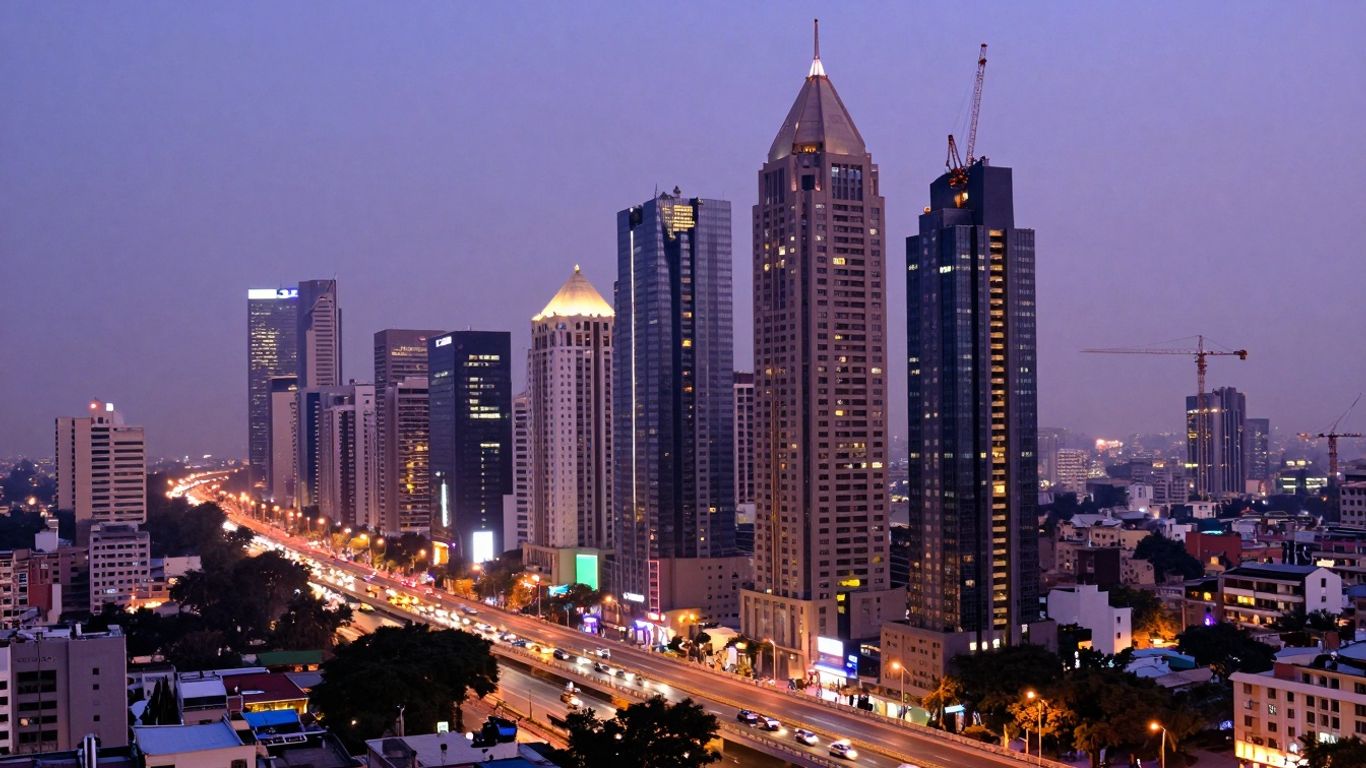
India’s economic future is increasingly tied to how it builds and manages its cities and the infrastructure that connects them. The country is in the midst of a significant shift, with more people moving to urban areas than ever before. This isn’t just about more people living in cities; it’s about cities becoming the main drivers of economic activity.
Megacities as Economic Hubs
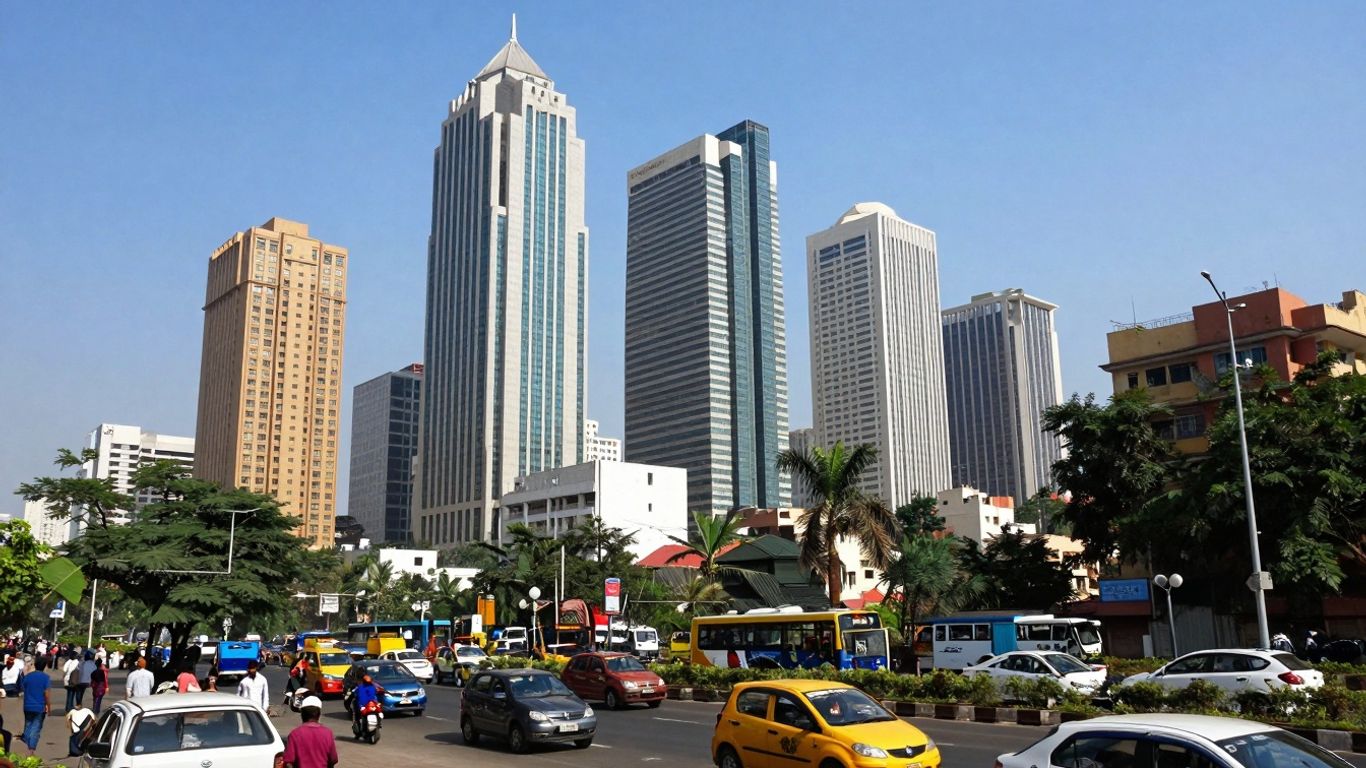
India’s urban centers are growing rapidly, with megacities expected to become even more important economic powerhouses. These large urban areas are projected to contribute a substantial portion of the nation’s GDP. They act as magnets for talent, capital, and business, creating dynamic environments where innovation and commerce can flourish. The concentration of people and economic activity in these hubs allows for greater efficiency and specialization, which in turn fuels further growth.
National Infrastructure Master Plan
To support this rapid urbanization and the economic activity it generates, India is investing heavily in its infrastructure. A key initiative is the ‘PM Gati Shakti National Master Plan’. This plan aims to coordinate infrastructure development across various sectors like railways, roads, ports, and aviation. By bringing together different ministries onto a single digital platform, the goal is to improve planning, reduce delays, and make infrastructure projects more efficient. This coordinated approach is vital for building the physical backbone that supports a growing economy and expanding markets.
Impact on Market Expansion and Job Creation
The development of cities and infrastructure has a direct impact on the economy. Better infrastructure, like improved transportation networks and digital connectivity, opens up new markets. It makes it easier for businesses to reach customers and for goods to move efficiently. This expansion of markets, in turn, drives job creation. As businesses grow and new industries emerge to serve urban populations and connect different regions, more employment opportunities arise. This cycle of development, market expansion, and job creation is a key aspect of India’s economic progress, with private sector opportunities also emerging in non-metro regions as digital adoption grows in tier 2 and tier 3 cities.
The ongoing transformation of India’s urban landscape and infrastructure development is not merely about building roads and buildings; it’s about creating the foundational elements for sustained economic expansion and improved quality of life for millions. This strategic focus is designed to attract significant investment and position India favorably in global supply chains.
Here’s a look at the projected spending on infrastructure:
| Period | Annual Spending (USD billions) |
|---|---|
| Through 2030 | In excess of 290 |
This significant investment is expected to fuel economic growth by:
- Boosting productivity through better logistics and connectivity.
- Attracting both domestic and foreign investment.
- Creating millions of new jobs across various sectors.
- Expanding access to goods and services for a larger population.
- Facilitating the growth of new industries and services catering to urban needs.
The Rising Middle Class and Consumer Power
Projected Growth in Middle-Class Population
India’s economic story is increasingly being written by its people, especially the growing middle class. We’re looking at a significant expansion here, with projections suggesting an addition of over 597 million people to this demographic between 2015 and 2040. This isn’t just a number; it represents a massive shift in purchasing power and lifestyle across the country. This surge in the middle class is expected to fuel more than 75% of the growth in overall consumer spending. It’s a powerful engine for market expansion and a key factor in lifting millions out of poverty, with the aim of reducing destitute households from around 15% currently to just 6% by 2031.
Shifting Expenditure Patterns
As more Indians join the middle-class ranks, their spending habits are changing. We’re seeing a move towards higher-value goods and services. Think beyond basic necessities; there’s a growing demand for better housing, improved education, healthcare services, and discretionary spending on things like travel, entertainment, and personal technology. This evolution in consumption is creating new opportunities for businesses across various sectors.
Here’s a look at how spending might evolve:
- Essentials: While still important, the proportion of income spent on basic food and clothing is likely to decrease.
- Discretionary Goods: Expect a rise in spending on consumer durables, vehicles, and electronics.
- Services: Healthcare, education, financial services, and leisure activities will see increased demand.
- Housing: Upgrades in living conditions and home improvements will become more common.
Poverty Reduction and Market Opportunities
The expansion of the middle class is directly linked to significant poverty reduction. As incomes rise and more people gain access to better jobs and opportunities, the number of households living in poverty is expected to decline substantially. This creates a virtuous cycle: a larger, more affluent population means a bigger domestic market for goods and services, which in turn can drive further economic growth and job creation. It’s a dynamic where increased consumer demand supports business expansion, leading to more employment and higher incomes, further strengthening the middle class.
The demographic shift towards a larger middle class is not just about increased consumption; it’s about a fundamental change in the economic landscape. This growing segment of the population represents a more stable and predictable consumer base, driving demand for a wider array of products and services and encouraging investment in sectors catering to their evolving needs and aspirations.
State-Level Economic Powerhouses
India’s economic ascent isn’t just a national story; it’s increasingly a tale of its individual states emerging as significant economic forces. Several states are on a trajectory to achieve trillion-dollar economies, a remarkable feat that underscores their growing importance on the global stage. This decentralization of economic might is reshaping the national landscape, moving beyond a singular reliance on a few major centers.
Emergence of Trillion-Dollar States
By 2035, states like Maharashtra, Gujarat, and Tamil Nadu are projected to reach individual GDPs of USD 1 trillion. This level of economic output is comparable to the combined economies of several developed nations. Their growth is fueled by a combination of rapid industrial expansion, significant urban development, and a strategic focus on high-value industries. This transformation positions them not just as regional leaders but as key contributors to India’s overall economic strength.
Role in National Manufacturing and Finance
These leading states are becoming critical hubs for both manufacturing and financial services. They are attracting substantial investment, developing advanced industrial clusters, and creating sophisticated financial ecosystems. This concentration of economic activity helps India compete more effectively in global markets and build a more robust and diversified economic base. For instance, Chennai, a major commercial hub, exemplifies this with its strong trade and commerce driving its economy, making it a significant player in the national picture.
Diversification Beyond Regional Reliance
The rise of these state-level powerhouses is crucial for diversifying India’s economic reliance. Instead of concentrating wealth and opportunity in just one or two areas, this trend spreads economic activity across different regions. This approach helps to mitigate risks associated with over-dependence on any single area and promotes more balanced development across the country. It also opens up new avenues for investment and job creation in previously less developed regions, contributing to a more inclusive economic future.
Capital Markets and Investment Horizons
India’s capital markets are really starting to hum, showing some serious growth. Domestic investments are picking up steam, and the government’s policies are making things more attractive for investors. It feels like a lot of people are starting to see the potential here.
Domestic Investment Drivers
Several factors are pushing domestic investment forward. There’s a growing pool of savings, and companies are looking to expand. Plus, with more people earning and saving, there’s a natural increase in the capital available for investment. It’s a positive cycle that’s building momentum.
Expanding Retail Investor Base
One of the most interesting trends is the surge in retail investors. More and more individuals are opening demat accounts, which is a big jump from just a few years ago. This wider participation means more money flowing into the markets and a broader base of ownership. It’s a sign that people are becoming more comfortable with investing their savings.
- Increased financial literacy
- Easier access through digital platforms
- Growing confidence in market performance
Future Equity Market Growth Potential
The outlook for India’s equity markets looks pretty bright. With continued economic expansion and supportive policies, the markets are expected to keep growing. This expansion isn’t just about numbers; it’s about creating more opportunities for wealth creation and capital formation. The markets are becoming a key part of the country’s economic story.
The growth in capital markets is not just a reflection of economic progress but also a significant contributor to it, providing the necessary fuel for businesses to expand and innovate.
It’s fascinating to watch how these markets are developing. The way things are going, India’s capital markets are set to play an even bigger role in the country’s economic future. The potential for growth, especially with more retail participation, is something to keep an eye on. It’s a dynamic space, and understanding how these markets work can give you a better sense of the broader economic picture. For those interested in how different investment strategies play out, looking into how hedge funds operate can offer some insights into market dynamics market prediction and decision-making.
Manufacturing and Trade Diversification
India is actively working to broaden its manufacturing base and expand its trade relationships beyond traditional partners. This push is not just about increasing output; it’s about building resilience and tapping into new global opportunities. The government has put in place several initiatives aimed at boosting domestic production and making Indian goods more competitive on the world stage.
Government Initiatives for Manufacturing
Several programs are in place to support the manufacturing sector. The ‘Make in India’ initiative, for example, aims to transform India into a global manufacturing hub. Alongside this, Production-Linked Incentive (PLI) schemes are designed to encourage companies to increase their domestic manufacturing output and exports. These schemes offer financial incentives based on incremental sales of manufactured goods.
- Focus on high-growth sectors: Prioritizing industries like electronics, pharmaceuticals, automotive, and textiles.
- Improving ease of doing business: Streamlining regulations and reducing compliance burdens for manufacturers.
- Skill development: Investing in training programs to create a skilled workforce for modern manufacturing needs.
Export Target and Market Expansion
India has set ambitious targets for its exports, aiming to reach significant milestones in the coming years. This involves not only increasing the volume of goods sold abroad but also diversifying the markets India trades with. The strategy includes looking towards regions like Africa, Latin America, and Central Asia, alongside strengthening ties with established partners.
The goal is to move beyond traditional export markets and build a more robust, geographically diverse trade network. This diversification is seen as key to mitigating risks associated with global economic fluctuations and geopolitical shifts.
India is also actively pursuing new Free Trade Agreements (FTAs) with major economies. While past agreements have had mixed results, there’s optimism that new pacts, particularly with countries like the UK, US, and the EU, could provide a substantial boost. India is increasingly viewed as an attractive alternative for global supply chains, a concept often referred to as the ‘China + 1’ strategy. This positioning could lead to significant growth in manufacturing and exports. The expansion of domestic investment is also a key factor, with a rising number of retail investors entering the market, potentially fueling further growth in equity markets.
Strategic Positioning for Global Supply Chains
India’s manufacturing sector is being strategically positioned to become a more integral part of global supply chains. This involves not only scaling up production capacity but also focusing on quality, innovation, and reliability. The country’s large domestic market, coupled with its growing manufacturing capabilities, makes it an attractive location for companies looking to diversify their production bases. This shift is expected to create numerous job opportunities and contribute significantly to the nation’s economic growth. The automotive sector, for instance, is undergoing a major transformation, aiming to become a global powerhouse in vehicle production and sales. Similarly, the chemicals sector is focusing on specialty products and sustainable production to cater to both domestic and international demand. These developments highlight India’s evolving role in the global industrial landscape.
Key Industries Powering Future Growth
India’s economic future is being shaped by a dynamic mix of established sectors and emerging industries. Several key areas are set to drive significant growth, contributing to the nation’s overall economic expansion and global standing.
Automotive Sector Transformation
The automotive industry in India is moving beyond just being a large market for two-wheelers. It’s transforming into a major global manufacturing hub. With increasing domestic demand and government support for cleaner vehicles, the sector is expanding its production capacity. This growth is also tied to global supply chain shifts, making India a more attractive location for vehicle and component manufacturing.
Chemicals and Specialty Products
India’s chemical sector is a significant player, particularly in specialty chemicals. The country ranks highly in areas like polymer consumption and dye manufacturing. With a strong base of raw materials and a skilled workforce, this industry is well-positioned to serve both domestic needs, such as textiles and agriculture, and international markets. There’s a growing focus on sustainable production and creating value-added products.
Food and Beverages Market Potential
Feeding a population of over 1.4 billion presents a massive opportunity for the food and beverage industry. This sector is expected to reach substantial market value in the coming years. Growth is seen across the entire value chain, from traditional food processing and modern retail to innovative food technology and health-focused products. This industry is vital for domestic consumption and also holds export potential.
The synergy between these industries is notable. For instance, the automotive sector relies on advancements in chemicals and electronics, while the food and beverage industry benefits from efficient logistics and packaging solutions, often driven by manufacturing innovations. This interconnectedness helps build a more robust and resilient economy.
Here’s a look at some key figures:
| Sector | Current Standing / Projection |
|---|---|
| Automotive Production | Aiming for over 7.5 million vehicles produced by 2030. |
| Chemicals | 3rd in polymer consumption, 2nd in dye manufacturing/exports. |
| Food & Beverages | On track to reach a trillion-dollar market by 2030. |
Technology and Innovation Frontiers
India’s economic future is increasingly being shaped by its rapidly advancing technology and innovation sectors. These areas are not just contributing to the Gross Domestic Product (GDP) but are also becoming engines for new industries and global competitiveness. The tech sector is projected to account for nearly 20% of India’s GDP by 2030, a significant jump that highlights its growing importance.
Tech Sector’s Contribution to GDP
The technology sector in India is experiencing robust growth, outpacing many traditional industries. This expansion is driven by a diverse range of activities, including software services, digital platforms, and the burgeoning fintech and e-commerce markets. Emerging technologies like artificial intelligence (AI) and digital manufacturing solutions are also playing a key role. AI, for instance, is seen as a powerful tool to boost productivity and market access for Micro, Small, and Medium Enterprises (MSMEs), especially those located in non-metro regions. This digital adoption in tier 2 and tier 3 cities is opening up new avenues for innovative services.
Data Center Market Expansion
As digitalization accelerates across businesses, government, and consumer activities, the demand for data storage and processing capabilities is soaring. India’s data center market is expected to grow substantially, with projections indicating it will exceed USD 15 billion by 2030. This growth is fueled by the increasing need for cloud computing, big data analytics, and robust digital infrastructure to support the expanding digital economy. This expansion is a clear indicator of the foundational digital shift occurring across the nation.
Semiconductor and Electronics Ambitions
While India is a global leader in chip design, with about 20% of the world’s chip designers based there, it currently imports most of its semiconductor needs. To address this, the country has ambitious plans to build complete semiconductor fabrication plants and boost electronics manufacturing for both domestic and international markets. The ‘India Semiconductor Mission’ has already sanctioned significant investments to establish manufacturing units, aiming to drive the semiconductor industry to USD 150 billion by 2030. This push is vital for creating components for next-generation technologies like 5G, the Internet of Things (IoT), and electric vehicles, and it positions India to become a key player in global supply chains. The growth in this sector is a critical step towards self-reliance and technological advancement, and it presents opportunities for new ventures.
Here’s a look at some key aspects of this sector:
- Global Leadership in Chip Design: India hosts a significant portion of the world’s chip design talent.
- Import Dependency: Currently, most semiconductor chips are imported.
- Government Initiatives: The ‘India Semiconductor Mission’ aims to build domestic manufacturing capabilities.
- Future Technologies: Focus on enabling technologies like 5G, IoT, and EVs.
The synergy between various industrial sectors, from automotive and healthcare to space and food processing, is increasingly reliant on technological advancements. This interconnectedness is not just about economic growth; it’s about building a resilient and innovative economy capable of meeting future challenges and creating high-value jobs.
Looking Ahead: India’s Economic Trajectory
India’s economic journey is truly picking up speed. We’ve seen how various sectors, from manufacturing and tech to healthcare and energy, are all contributing to a larger picture of growth. The country’s focus on infrastructure, a growing middle class, and smart policies are setting the stage for significant expansion. While challenges will always exist, the current momentum suggests India is well on its way to becoming a major global economic force in the coming years. It’s a dynamic situation to watch, with potential for widespread prosperity and innovation.
Frequently Asked Questions
How is India’s economy expected to grow in the coming years?
India’s economy is growing really fast! It’s already the fourth-biggest economy in the world and is predicted to become the third-biggest soon, even bigger than Germany. Experts think it could add a huge amount of money to its economy every year for the next decade, aiming for strong, steady growth.
What role do cities play in India’s economic growth?
Cities are like the main engines for India’s economy. More and more people are moving to cities, and these big urban areas are expected to create most of the country’s wealth. To help this happen, India is investing a lot of money in building better roads, railways, and other important stuff.
How is the growing middle class helping India’s economy?
As more people in India move into the middle class, they have more money to spend. This means they’re buying more things, which helps businesses grow and creates jobs. This also means fewer people are living in poverty, which is great for everyone.
Are some parts of India growing faster than others?
Yes, some states are becoming like mini economic powerhouses, each expected to become as big as some countries! These states are great at making things and handling money, which helps the whole country grow and makes sure we don’t rely too much on just one area.
What’s happening with investing and the stock market in India?
More and more people in India are starting to invest their money in the stock market. This helps companies get the money they need to grow. The government is also making it easier for people to invest, which is good for the economy.
What industries are expected to lead India’s future growth?
Besides making cars and clothes, India is focusing on high-tech areas. This includes things like making computer chips, using technology for businesses and everyday life, and even exploring space! These new and exciting industries are creating lots of new jobs and helping India become a leader in the world.

Peyman Khosravani is a global blockchain and digital transformation expert with a passion for marketing, futuristic ideas, analytics insights, startup businesses, and effective communications. He has extensive experience in blockchain and DeFi projects and is committed to using technology to bring justice and fairness to society and promote freedom. Peyman has worked with international organizations to improve digital transformation strategies and data-gathering strategies that help identify customer touchpoints and sources of data that tell the story of what is happening. With his expertise in blockchain, digital transformation, marketing, analytics insights, startup businesses, and effective communications, Peyman is dedicated to helping businesses succeed in the digital age. He believes that technology can be used as a tool for positive change in the world.