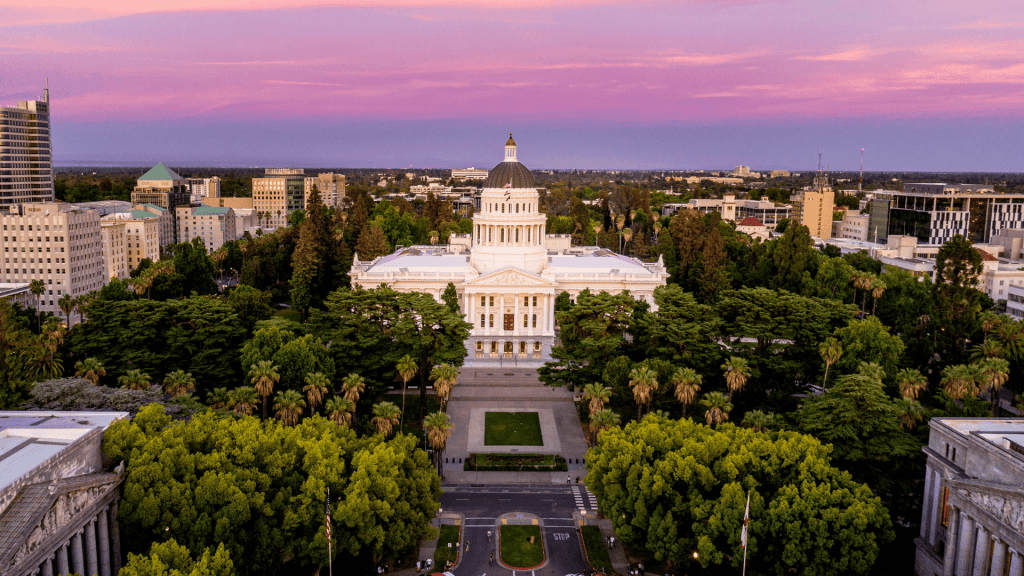
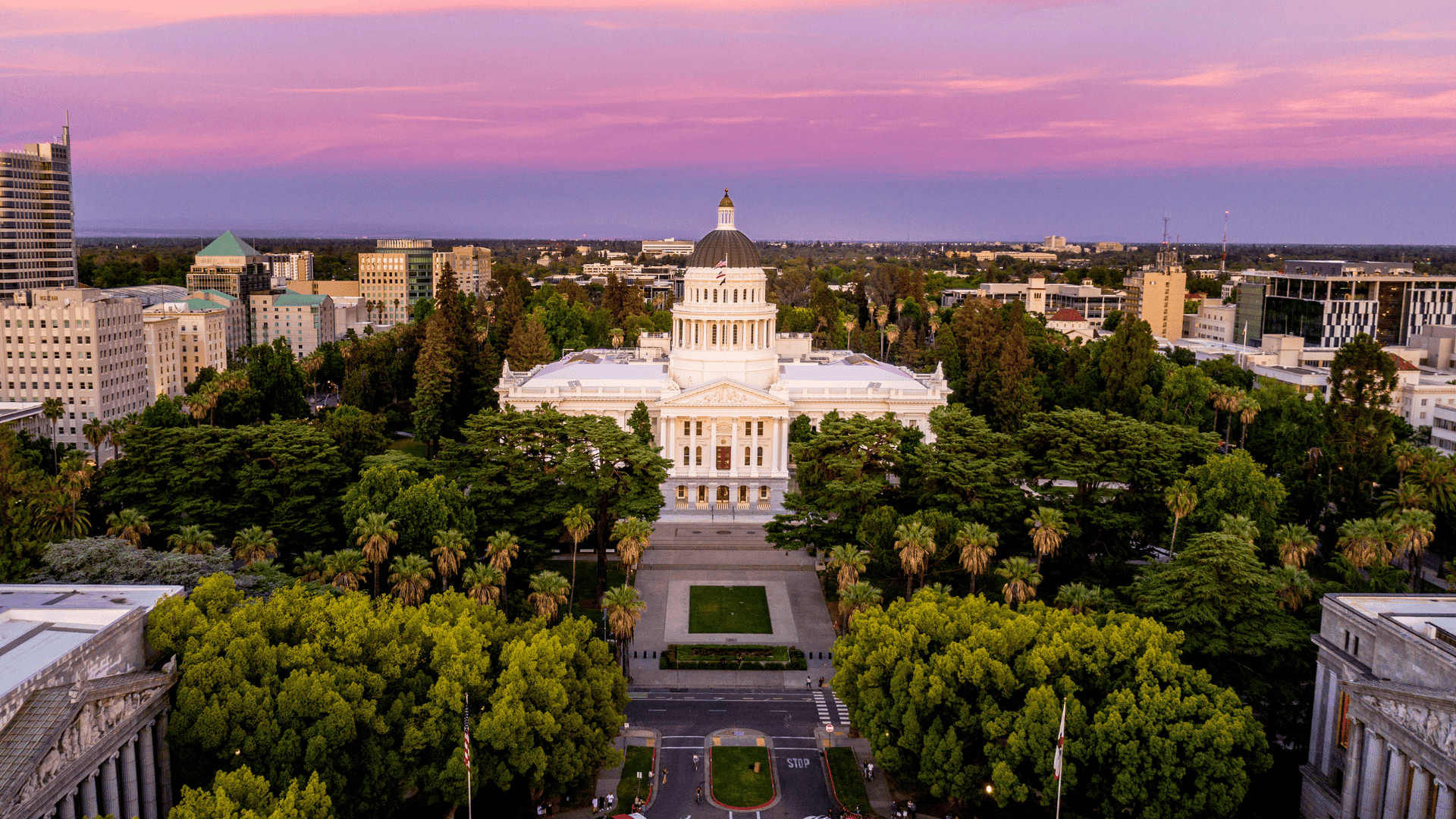
Sacramento doesn’t unfold all at once. You don’t get the whole picture from a single viewpoint, and honestly, that is part of the fun. The city stretches out in pieces, each neighborhood offering its own mix of food, art, history, and whatever locals happen to be creating at the moment.
You walk through it, get distracted, stop for a bite, take another turn, and suddenly the place starts to feel familiar. It’s a city you learn by moving through it, not by reading a guidebook.
If you really want to get the feel of Sacramento, start where the story began.
Old Sacramento Waterfront: Where the City’s Story Begins
The layout still reflects those early Gold Rush years. You can stand on a corner and picture a completely different era without trying very hard. It hits you like a faint echo that hasn’t quite faded.
The food here leans playful and nostalgic. The smell of fresh candy floats out of small shops. Families wait for ice cream. The Delta King sits at the edge of it all, steady and proud, offering a place to eat while you look out over the water. Grab something sweet, wander along the boardwalk, and watch the sun catch the Sacramento River just right. The light turns everything warm for a moment.
Art hides here, but you notice it if you move slowly. Musicians settle into spots near the railroad tracks. Their sound blends with the distant whistle of trains. Old signage and ironwork feel like part of an outdoor museum that was never advertised. Nothing polished, nothing overly curated. You can touch history with your own hands.
The California State Railroad Museum sits at the heart of the district. You can walk through the exhibits and feel the ambition of people who helped build the West. When you leave and step back into the alleys, the shift from past to present feels sharp. Storefronts, families on vacation, century old brick. The contrast keeps you alert.
Midtown: The Creativity Engine
A quick ride away, Midtown feels like someone turned the dial up. More color. More movement. More of everything. The neighborhood thrives on rhythm and variety. Cyclists weave through traffic, people line up for coffee, chefs prep for the evening rush, and murals spill across walls as if the entire district volunteered to be a canvas.
Food choices come fast. Japanese comfort dishes. Soul food that sticks with you. Vegan spots that make you forget you ordered plant based. Tasting menus that change depending on what local farms delivered that week. You can eat three meals in one day here and feel like you barely scratched the surface.
Art follows you everywhere. It wraps around corners, climbs the sides of buildings, and pops up in unexpected spaces. Wide Open Walls helped turn Midtown into an outdoor gallery, and the murals still keep coming. You can spend an entire afternoon walking from block to block with no real destination and never get bored.
Cultural life in Midtown moves with its own pulse. The Second Saturday Art Walk draws crowds that drift in and out of galleries. Musicians play on sidewalks. Vendors set up tables. Breweries fill their patios with people who linger until the night settles in. Midtown reinvents itself constantly, and the pace keeps you watching.
Downtown Sacramento: Energy, Architecture, and Elevated Dining
Head toward Downtown and the whole tone shifts. The grid tightens. Buildings grow taller. The energy rises in small, steady steps. You see government offices, historic sites, theaters, and the kind of daily rush that comes from people working, gathering, hosting events, and trying to squeeze in lunch before heading back to whatever they were doing.
Dining here feels more polished. Restaurants know their audience. Business lunches. Pre-show dinners. Groups grabbing a bite before a game at Golden 1 Center. And then there is the growing appeal of private dining in Sacramento. Some of the best spots in the district offer enclosed rooms where groups can share a meal away from the noise.
Soft lighting. Custom menus. Local produce in almost every dish. It works for celebrations, team dinners, or nights when you want to feel tucked away but still part of the downtown energy.
Culture threads through the district. The Crest Theatre stands with its bright marquee, a reminder of Sacramento’s moviegoing past. Golden 1 Center brings in major performers and big crowds. Public art fills plazas and walkways. The Convention Center draws festivals and events that keep the area busy year round.
Downtown carries a steady confidence. A mix of older buildings and modern architecture, a hint of urgency from the daily rush, and a sense that the city is reaching toward its next phase.
Oak Park: Past, Present, and Community Strength
Oak Park carries a deep history. Early twentieth century suburb, later a cultural center for the city’s Black community, and now a neighborhood that blends long standing roots with new growth and creative energy. You feel the weight of the past here, but you also see pride in the present.
Food on Broadway reflects the neighborhood’s character. Ethiopian restaurants. Barbecue joints. Bakeries that open early. Cafes that know their regulars. Many spots are community owned, and that shows in the atmosphere. The feeling is warm and grounded.
The Guild Theater adds a cultural anchor. The nearby 40 Acres complex strengthens that same spirit. Bookstores, restaurants, offices. A place centered around Black entrepreneurship and history.
Walk around and the murals keep pulling your attention. Portraits of community leaders. Bright scenes filled with meaning. Pieces about identity and resilience. You get the sense of a neighborhood that holds its history close while continuing to push forward.
Land Park: Calm, Classic, and Family Friendly
Move into Land Park and everything softens. Houses from the 1920s and 1930s line quiet streets. Large trees create long patches of shade. William Land Park stretches out with room to sit, read, or let kids run until they tire themselves out.
Food spots here lean simple and comforting. Breakfast places where the coffee arrives fast. Ice cream shops that draw families on warm evenings. Cafes built for slow mornings rather than rushed afternoons. Nothing flashy, and that is exactly why it works.
Art and culture take a gentler approach here. Fairy Tale Town and the Sacramento Zoo bring in families. Festivals and small concerts appear throughout the year in different corners of the park. Land Park offers breathing room, the kind you appreciate after moving through busier districts.
R Street Corridor: Industrial Bones, Creative Future
R Street once carried the weight of warehouses and rail lines. You can still feel that structure under everything that has grown since. Many buildings keep their original bones while hosting new restaurants, shops, and art spaces. That mix gives the corridor its charm.
Food is a major pull. Fusion dishes. Open kitchens. Menus that take chances. Many restaurants blend old brick and steel beams with modern design, a mix that feels intentional and stylish without losing the industrial texture.
Art shows up in courtyards, alleys, and lots. Everything feels handcrafted or curated with care. The corridor’s personality leans forward. You sense the past beneath your feet, but the energy points to what comes next.
Experiencing Sacramento, District by District
Each district tells a different part of Sacramento’s larger story. You taste the region through its food. You see its voice through its art. You feel its changes through the culture that moves around you.
Walk through these districts and the city becomes clearer with each step. Not a single destination, but a collection of neighborhoods with their own identities and rhythms. A place shaped by people who continue to build and rebuild it in ways that reward anyone willing to slow down and explore.

Shikha Negi is a Content Writer at ztudium with expertise in writing and proofreading content. Having created more than 500 articles encompassing a diverse range of educational topics, from breaking news to in-depth analysis and long-form content, Shikha has a deep understanding of emerging trends in business, technology (including AI, blockchain, and the metaverse), and societal shifts, As the author at Sarvgyan News, Shikha has demonstrated expertise in crafting engaging and informative content tailored for various audiences, including students, educators, and professionals.