
Thinking about buying a house? It’s a big step, and figuring out what you can actually afford is probably the most important part. You don’t want to get your heart set on a place only to find out later it’s way out of your budget. This guide will walk you through how to calculate home loan affordability, so you can shop for a home with confidence. We’ll break down the numbers and help you understand what lenders look for. Let’s get started on making your homeownership dream a reality.
Key Takeaways
- To calculate home loan affordability, you need to look at your income, your existing debts, and your planned housing expenses.
- Lenders use debt service ratios like GDS and TDS to see if you can handle mortgage payments.
- Your credit score plays a big role in whether you get approved and what interest rate you’ll pay.
- The amount you put down for a down payment significantly impacts your loan amount and potential monthly payments.
- Using online affordability calculators can give you a good starting point, but talking to a mortgage specialist is wise.
Understanding Your Home Loan Affordability
Buying a home is a big step, and figuring out how much you can realistically borrow is the first thing you should do. It’s not just about what a bank will lend you; it’s about what you can comfortably afford to pay back each month without straining your finances. This section will help you get a handle on the main things that affect how much mortgage you can get.
Key Factors Influencing Affordability
Several elements play a role in determining how much you can borrow. Think of it like building a puzzle; each piece matters. The more you understand these pieces, the clearer your picture of homeownership becomes.
- Your Income: How much money comes in each month before taxes.
- Your Debts: What you already owe, like car loans, student loans, or credit card balances.
- Your Credit Score: This shows lenders how reliably you’ve managed debt in the past.
- Your Down Payment: The amount of cash you have saved to put towards the purchase price.
- Current Interest Rates: The cost of borrowing money, which changes over time.
The Role of Income and Expenses
Your income is the foundation of your affordability. Lenders look at your gross household income – that’s all the money earned by everyone in the household before any deductions. But income alone isn’t the whole story. They also need to see your expenses. This includes not just your current bills like car payments and credit card minimums, but also the estimated costs of owning a home, such as property taxes, insurance, and potential homeowner association fees.
Lenders use specific ratios to gauge your ability to handle mortgage payments. These ratios compare your potential housing costs and all your debts to your income. Keeping these ratios in check is key to getting approved for a loan.
Importance of Creditworthiness
Your credit history and score are like your financial report card. A good credit score tells lenders that you’re a responsible borrower who pays bills on time. This can lead to better interest rates and loan terms, making your mortgage more affordable over the long run. If your credit score isn’t where you’d like it to be, taking steps to improve it before applying for a mortgage can make a significant difference in what you can afford.
Calculating Your Maximum Mortgage Amount

Once you have a handle on your income and expenses, the next logical step is figuring out just how much you can borrow. This isn’t just about what a bank might lend you; it’s about what you can realistically afford to pay back each month without stretching your finances too thin. Determining your maximum mortgage amount is a critical step in setting your home search budget.
Estimating Your Debt Service Ratios (GDS and TDS)
Lenders use specific ratios to gauge your borrowing capacity. The two main ones are Gross Debt Service (GDS) and Total Debt Service (TDS).
- GDS (Gross Debt Service): This ratio looks at the percentage of your gross monthly income that goes towards housing costs. These costs include your mortgage principal and interest, property taxes, and any condo or maintenance fees. Generally, lenders prefer this to be around 35% or less of your gross monthly income.
- TDS (Total Debt Service): This is a broader measure. It includes all your housing costs (GDS) plus any other monthly debt payments you have, like car loans, student loans, or credit card payments. A common benchmark is to keep your TDS at or below 42% of your gross monthly income.
Understanding these ratios helps you see how much of your income is allocated to debt, giving you a clearer picture of what you can handle.
Determining Your Down Payment Requirements
Your down payment is the amount of money you pay upfront when you buy a home. The size of your down payment significantly impacts your mortgage amount and the terms of your loan. Here’s a general breakdown of minimum down payment rules:
- For homes valued up to $500,000: You’ll need at least a 5% down payment.
- For homes valued between $500,000 and $1,499,999.99: The minimum is 5% on the first $500,000 and 10% on the remaining amount.
- For homes valued at $1,500,000 or more: A minimum of 20% down payment is typically required.
If your down payment is less than 20% of the home’s value, you’ll likely need to pay for mortgage loan insurance, which protects the lender. This insurance premium can often be added to your mortgage amount, increasing your total borrowing cost. However, if you put down more than 20%, you might still need insurance in certain situations.
Leveraging Affordability Calculators
Online mortgage affordability calculators are fantastic tools to get a quick estimate. These calculators ask for information like your income, debts, down payment amount, and desired location. Based on this, they can suggest a potential home price range you might be able to afford. They often use the GDS and TDS ratios we just discussed to provide these estimates. Remember, these are just estimates, and the actual amount you can borrow will depend on a lender’s full assessment of your financial situation. You can find many such tools online to help you start your home search.
It’s important to remember that affordability calculators provide an estimate based on the information you input. They are designed for general guidance and are not a substitute for professional financial advice. The interest rates used in these calculators are often based on current market conditions and may vary. Always consult with a mortgage specialist for a precise understanding of your borrowing power and to discuss specific loan products.
Essential Financial Inputs for Calculation
Before you can figure out how much house you can afford, you need to get a clear picture of your financial situation. This means looking at your income, your debts, and what you spend money on each month. It’s not the most exciting part of buying a home, but it’s super important for making sure you don’t overextend yourself.
Assessing Your Gross Household Income
This is the starting point. You need to know the total amount of money your household brings in before any taxes or deductions are taken out. This includes salaries, wages, bonuses, and any other regular income sources. Be realistic here; if bonuses are inconsistent, it’s probably safer not to count them fully.
- Salaries and Wages: The base pay from your job(s).
- Bonuses and Commissions: Variable income that should be averaged over a period if not guaranteed.
- Self-Employment Income: Income from freelance work or a business, often requiring documentation like tax returns.
- Other Income: This could include rental income, alimony, or other regular payments.
Accounting for Existing Debt Obligations
Lenders will look closely at your existing debts to see how much room you have for a new mortgage payment. You need to list out all your monthly debt payments. This helps determine your debt-to-income ratio, a key factor in loan approval.
Here’s a breakdown of common debt types:
- Credit Card Payments: The minimum monthly payment due.
- Car Loans: The monthly installment.
- Student Loans: The regular payment amount.
- Personal Loans: Any outstanding loan payments.
- Lease Payments: For vehicles or other items.
It’s important to include payments for anyone who will be co-signing on the mortgage. All existing financial commitments add up and affect how much a lender is willing to lend you.
Estimating Ongoing Housing Expenses
Beyond the mortgage payment itself, owning a home comes with other costs. You need to factor these into your budget so you know the true monthly cost of homeownership. These expenses can vary quite a bit depending on the property and its location.
- Property Taxes: These are usually paid annually but can be broken down into monthly estimates.
- Homeowner’s Insurance: Protects your home against damage and liability.
- Utilities: Costs for electricity, gas, water, and sewer.
- Maintenance and Repairs: It’s wise to set aside a percentage of your home’s value for upkeep.
- Condo Fees/HOA Dues: If you’re buying a condo or a home in a managed community.
The Impact of Loan Terms on Affordability
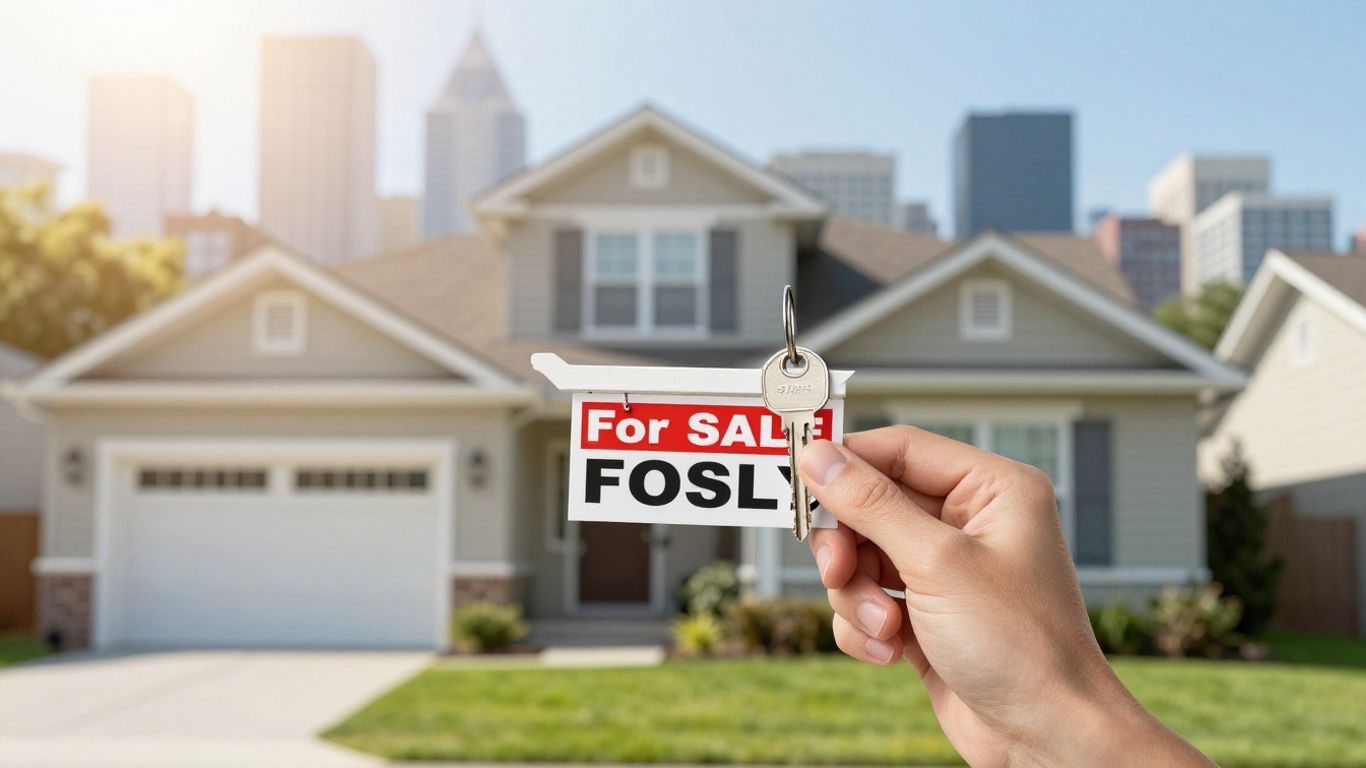
When you’re looking at buying a home, the loan itself has a big say in what you can actually afford. It’s not just about the price tag of the house; the details of the mortgage can change your monthly payments and the total cost over time. Thinking about these terms upfront can save you a lot of headaches later on.
Understanding Interest Rates and Amortization Periods
The interest rate is the percentage charged by the lender for borrowing money. A lower interest rate means you pay less in interest over the life of the loan, making your monthly payments smaller and the overall cost of the home lower. The amortization period is the length of time you have to repay the loan, typically 15, 20, or 25 years, though sometimes longer. A longer amortization period will result in lower monthly payments, but you’ll pay more interest overall. Conversely, a shorter amortization period means higher monthly payments but less interest paid in the long run.
Here’s a quick look at how amortization can affect your payments:
| Amortization Period | Monthly Payment (Example) | Total Interest Paid (Example) |
|---|---|---|
| 15 Years | $1,500 | $70,000 |
| 25 Years | $1,000 | $120,000 |
| 30 Years | $850 | $150,000 |
Note: These are illustrative examples and actual figures will vary based on loan amount, interest rate, and other factors.
The Effect of Mortgage Loan Insurance
If your down payment is less than 20% of the home’s purchase price, you’ll likely need to get mortgage loan insurance, often called mortgage default insurance. This protects the lender if you can’t make your payments. The cost of this insurance is usually added to your mortgage amount and paid off over time, increasing your total borrowing cost and monthly payments. While it allows you to buy a home with a smaller down payment, it does add to the overall expense.
Sometimes, lenders might offer options to extend your amortization period if your down payment is more than 20%. While this can lower your monthly payments, it’s important to remember that it will increase the total amount of interest you pay over the life of the loan. Weighing this trade-off is a key part of making an informed decision.
Exploring Different Mortgage Products
Beyond the standard mortgage, there are various products available, each with its own set of terms and conditions. Fixed-rate mortgages offer predictable payments for the entire loan term, which is great for budgeting. Variable-rate mortgages, on the other hand, have payments that can fluctuate based on market interest rates. This can be appealing if rates are low, but carries the risk of payments increasing. Understanding these differences and how they align with your financial situation and risk tolerance is important. If you’re finding these terms confusing, talking to a mortgage broker can help clarify your options and find the best fit for your needs. They can guide you through the complexities of different loan types and terms, potentially helping you secure better rates or terms than you might find on your own mortgage lending brokers offer expert advice.
Considering these loan terms carefully will help you set a realistic budget and avoid financial strain down the road.
Refining Your Home Purchase Budget
Once you have a general idea of what you can afford, it’s time to get more specific. This means looking closely at all the costs involved, not just the mortgage payment itself. Think of it as fine-tuning your budget to make sure it’s realistic and doesn’t leave you stretched too thin.
Adjusting Inputs for Realistic Outcomes
Calculators are great starting points, but they often use averages or broad estimates. To get a clearer picture, you’ll want to plug in your actual numbers. This includes your precise income, all your current monthly debt payments, and an honest assessment of your savings for a down payment. Don’t forget to factor in potential closing costs, which can add up to a few percent of the home’s price.
Considering Property Taxes and Homeowner’s Insurance
These are two big ones that often get overlooked when people first start budgeting. Property taxes vary significantly by location and are usually paid annually or semi-annually, but lenders often require you to pay them monthly as part of your mortgage payment (escrow). Homeowner’s insurance protects your home from damage and is also typically paid monthly through escrow. You’ll need to get quotes for both to get accurate figures for your budget.
The Influence of Location on Home Prices
Location, location, location – it’s a cliché for a reason. The neighborhood you choose will have a massive impact on the price of homes. Beyond the sticker price, different areas also have different property tax rates and even varying costs for utilities and insurance. Researching specific neighborhoods you’re interested in will give you a much more accurate sense of the total cost of homeownership.
Remember that your budget isn’t just about what a lender says you can borrow; it’s about what you feel comfortable spending each month without sacrificing your lifestyle or financial goals. It’s always better to aim a little lower than your maximum to give yourself some breathing room.
Making Informed Affordability Decisions
Interpreting Calculator Results
So, you’ve plugged in all your numbers into an affordability calculator. What now? The number you get back is an estimate, not a guarantee. It’s a starting point that shows you a potential price range for homes. Think of it like a weather forecast – it gives you a good idea, but you still need to dress appropriately for the actual conditions. Don’t treat the calculator’s output as gospel; it’s a guide.
When to Consult a Mortgage Specialist
While calculators are handy, they can’t account for every personal financial detail or unique situation. If your finances are complex, if you have questions about the calculator’s output, or if you’re just not sure about the next steps, talking to a mortgage specialist is a smart move. They can look at your specific situation, explain different loan options, and help you understand the nuances that a calculator might miss.
- Complex financial history: Multiple income sources, self-employment, or past credit issues.
- Uncertainty about loan types: You’re not sure if a fixed-rate, variable-rate, or other mortgage product is best.
- Questions about the process: You need clarification on down payment rules, closing costs, or mortgage insurance.
Next Steps After Calculating Affordability
Once you have a clearer picture of what you can afford, it’s time to take action. This involves more than just looking at price tags. You’ll need to refine your budget further and prepare for the actual home-buying process.
- Refine your budget: Factor in all the costs of homeownership, not just the mortgage payment. This includes property taxes, insurance, potential repairs, and utilities.
- Get pre-approved: A mortgage pre-approval from a lender gives you a firm idea of how much you can borrow and strengthens your offer when you find a home.
- Start your house hunt: With your affordability range and pre-approval in hand, you can begin searching for homes with confidence.
Putting It All Together
So, you’ve gone through the steps and used the tools to get a clearer picture of what you can afford. It’s a lot to take in, for sure, but knowing these numbers is the first real step toward homeownership. Remember, the calculator gives you an estimate, and it’s always a good idea to talk with a mortgage specialist. They can look at your specific situation and help you figure out the best path forward. Don’t hesitate to reach out to them with any questions. Getting your finances in order now means a smoother journey to finding and buying that place you’ll call home.
Frequently Asked Questions
What does ‘home loan affordability’ really mean?
It’s about figuring out how much house you can comfortably buy without getting into too much debt. Think of it as your budget for a house, making sure you can handle the payments each month.
How much money do I need to put down to buy a house?
Generally, you need at least 5% of the house price for a down payment. If the house costs more, you might need a bigger percentage. For example, if a house is $500,000, you’ll need at least $25,000. For houses over $1.5 million, you’ll likely need 20% down.
What are GDS and TDS?
These are like two tests lenders use to see if you can afford a home. GDS (Gross Debt Service) checks how much of your income goes to housing costs, like mortgage and taxes. TDS (Total Debt Service) looks at all your debts, including housing, car payments, and credit cards. Lenders want these numbers to be within certain limits.
Can I use a calculator to see how much I can afford?
Yes! Online affordability calculators are super helpful. You just enter details about your income, savings, and debts, and they give you an estimate of what you might be able to borrow and what kind of house price to aim for.
Does my credit score matter when buying a house?
Absolutely! A good credit score shows lenders you’re responsible with money. It can help you get approved for a loan and often means you’ll get a better interest rate, saving you money in the long run.
What happens if my debt payments are too high?
If your monthly payments for things like car loans, credit cards, or student loans take up more than half of your income before taxes, it might be tough to get approved for a big mortgage. In this case, it’s a good idea to talk to a mortgage specialist to explore your options.

Peyman Khosravani is a global blockchain and digital transformation expert with a passion for marketing, futuristic ideas, analytics insights, startup businesses, and effective communications. He has extensive experience in blockchain and DeFi projects and is committed to using technology to bring justice and fairness to society and promote freedom. Peyman has worked with international organizations to improve digital transformation strategies and data-gathering strategies that help identify customer touchpoints and sources of data that tell the story of what is happening. With his expertise in blockchain, digital transformation, marketing, analytics insights, startup businesses, and effective communications, Peyman is dedicated to helping businesses succeed in the digital age. He believes that technology can be used as a tool for positive change in the world.