When markets tighten and traditional assets look uncertain, savvy investors start to branch out. In 2025, that means exploring what’s outside the usual mix of stocks, bonds, and ETFs. Alternative investments are having a moment, not just as portfolio diversifiers, but as serious growth plays. While some options are still considered niche or a bit unconventional, others are gaining broader credibility thanks to technology, shifting investor behavior, and better access. If you’re thinking about how to spread risk and maybe spot the next big thing, these five categories are worth your attention right now.
The Underestimated Upside of Pre-IPO Stock
Most people associate early-stage investing with venture capital firms or Silicon Valley insiders. But that’s changing fast. The rise of different kinds of online investment platforms has made access to pre-IPO stock opportunities more democratic. Now, accredited investors can participate in late-stage private funding rounds and get exposure to companies on the verge of going public. They may even get stock at more favorable valuations than post-IPO retail buyers.
What makes pre-IPO stock so appealing in 2025 isn’t just the potential return. It’s the timing. These companies have usually cleared major hurdles, found product-market fit, and are scaling fast. That combination can be compelling, especially in a tighter market where IPO windows are more selective. And new marketplaces and platforms are helping close the gap between investors and opportunities, showing that you don’t have to be plugged into a VC network to get in early.
Cryptocurrencies are Still Risky and Still Rewarding
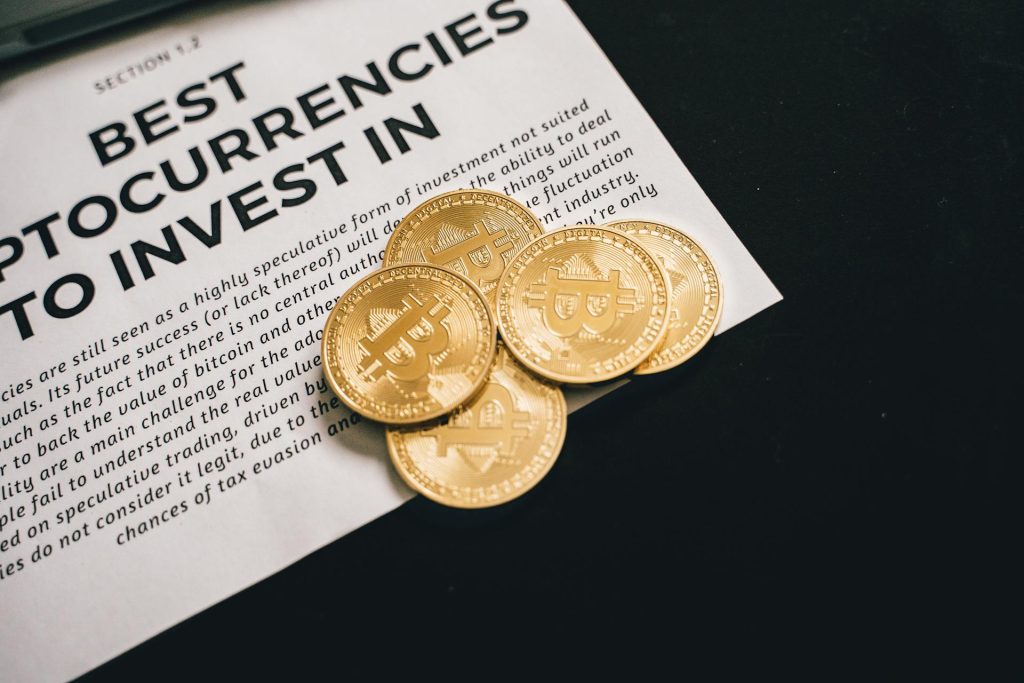
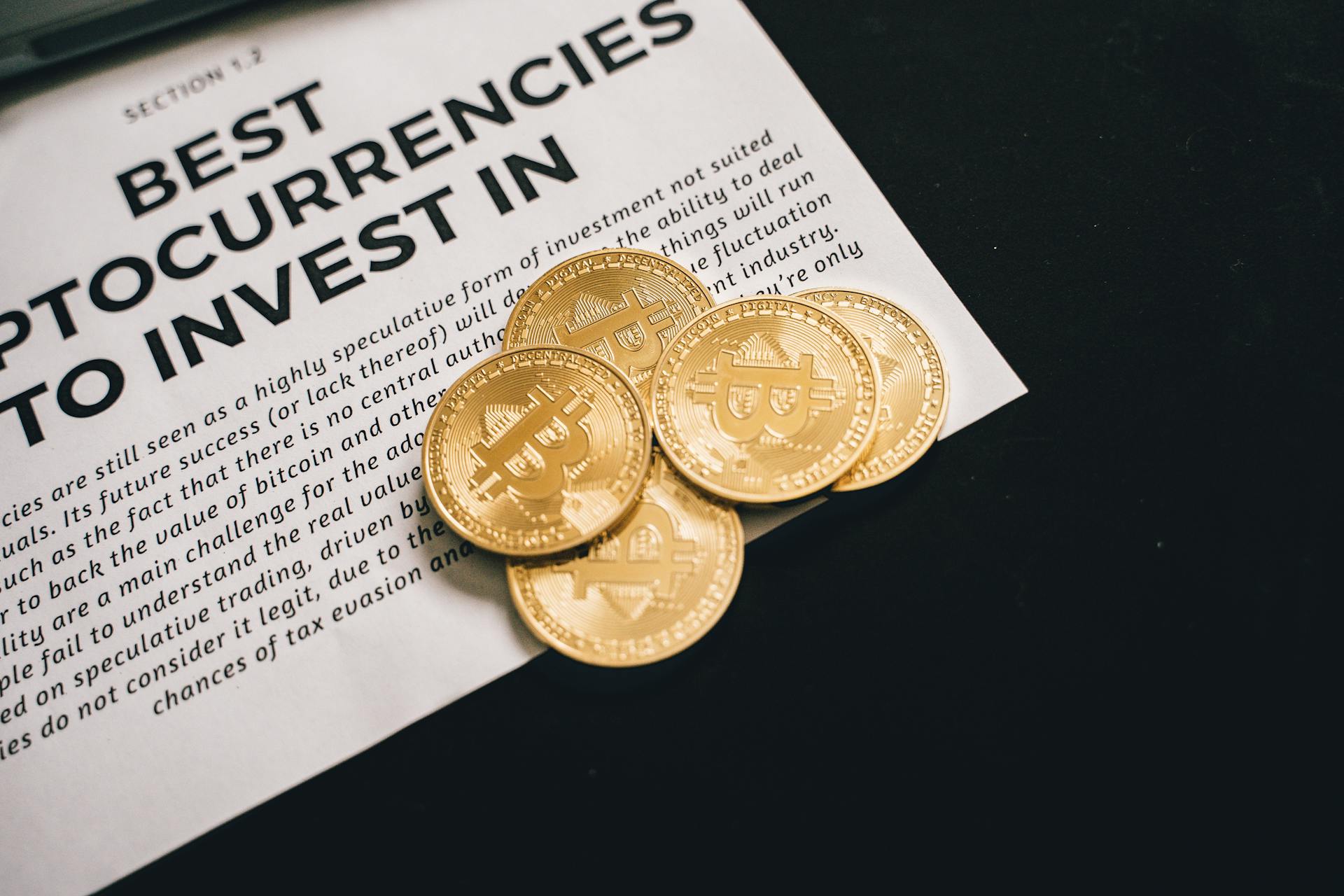
There’s no denying that crypto has had a rollercoaster ride over the last few years. But in 2025, it’s become less about hype and more about strategy. Investing in cryptocurrency has become a legitimate component in some modern portfolios, especially for those comfortable with short-term volatility in exchange for long-term upside.
While Bitcoin and Ethereum still dominate headlines, the real action is often in how investors are using crypto. And it’s not just buying and selling, it’s also through staking, smart contract platforms, and yield-generating tools that mimic traditional finance models with a decentralized spin. The line between crypto and mainstream finance continues to blur, particularly as regulatory frameworks catch up. And according to some, this asset class has moved well beyond being speculative.
Art as an Asset
Fine art used to be the playground of the ultra-wealthy. Now it’s inching closer to the mainstream, thanks to fractional ownership platforms and a growing interest in tangible assets that don’t correlate with the stock market. While modern and contemporary works still grab headlines at auctions, there’s growing attention on emerging artists, photography, and even digital art that straddles the line between collectible and speculative.
The value of art isn’t just in appreciation, it’s also in resilience. It tends to move differently than equities, making it an interesting hedge when markets are choppy. There’s also the cultural cachet of owning or investing in something unique. Unlike other alternatives, art carries an emotional return as well. That said, it’s not a set-it-and-forget-it asset. You still need to research the market, track trends, and understand the nuances of pricing and liquidity. For investors who want something more tactile than a ticker symbol, this could be a creative way to diversify.
From Rare Sneakers to Vintage Watches
Collectibles have always had an underground following, but the market has gotten much more structured and serious. What used to be viewed as hobbies are now tracked, traded, and authenticated like traditional assets. Sneakers, luxury handbags, rare comics, sports cards, vintage toys, and high-end watches are all commanding real money. And in some cases, they’ve outperformed the S&P.
This category thrives on scarcity and culture. Value often comes from limited supply, brand history, and the stories behind the item. But there’s also a growing ecosystem of data tools and resale platforms that make these investments more transparent than they used to be. If you’re already knowledgeable in a niche or willing to do the research, collectibles can be more than just a fun side play. They can be a real contributor to a diversified strategy.
Carbon Credits
Carbon credits used to be something companies dealt with behind the scenes. Now they’re turning into an investable market with real momentum. As regulations tighten and environmental accountability becomes a business requirement, the demand for carbon offsets is rising. Investors are looking at the potential returns and the broader impact on sustainability.
In 2025, carbon credits are a bet on how climate policy and corporate ESG goals will shape the economy. With better transparency and trading mechanisms in place, this market is evolving fast. Prices are still volatile, and the space can be a bit fragmented, but it’s growing more mature by the quarter. For investors looking to combine their love of the environment and economics, carbon credits represent an opportunity with both purpose and potential upside.