If you have ever applied for a personal loan through a traditional bank, you probably remember the process feeling slower and more complicated than expected. There are forms to complete, documents to provide, and often a long wait before you even know whether your application will move forward. In recent years, financial technology has begun to change that experience, offering borrowers a more efficient and transparent way to explore their options.
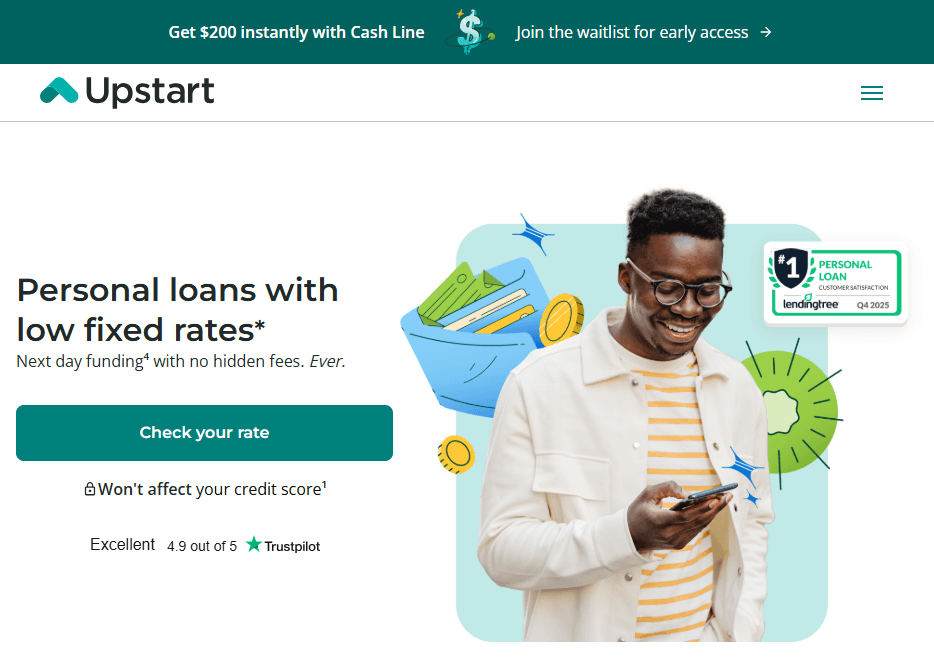
For people who want a simpler approach to borrowing, visiting Upstart can be a practical place to begin. The platform uses modern technology to help evaluate loan applications in a different way than many traditional lenders. Rather than relying only on conventional credit scoring models, it looks at a broader set of information to better understand an applicant’s financial situation.
This shift may seem subtle at first, but it reflects a much larger change happening in the lending industry. Traditional credit systems tend to place heavy emphasis on past credit activity. While that can be helpful in many cases, it also means that people with limited credit history may struggle to qualify for loans even if they are financially responsible. Young professionals, recent graduates, and individuals rebuilding their financial profiles often find themselves in this position.
By considering additional factors, newer lending models attempt to create a more balanced picture of a borrower’s financial potential. The idea is not simply to approve more loans but to evaluate applicants with a wider lens. When lenders have access to more meaningful data, they can make decisions that better reflect the reality of each person’s circumstances.
Another reason digital lending platforms have gained attention is convenience. Many people now manage their finances online, from checking bank balances to making investments and sending payments. In that environment, applying for a loan through a digital platform feels like a natural extension of how financial services already work.
Instead of visiting a physical branch or dealing with lengthy paperwork, applicants can begin the process online. Information is entered through a guided application that explains what details are needed and why they matter. This structure can make the process feel more approachable, especially for people who might feel uncertain about navigating traditional banking procedures.
Speed is also part of the appeal. While loan decisions have historically taken days or weeks, technology allows modern platforms to review applications much more quickly. Automated systems analyze patterns and financial indicators in a way that would be difficult to replicate manually. This efficiency does not remove careful evaluation, but it can make the process far more responsive.
Another important aspect of digital lending is the focus on clarity. Borrowers want to understand the terms of a loan before making a commitment. When platforms present information clearly, it becomes easier to compare different options and determine what fits best within a personal financial plan. Transparency can help reduce the uncertainty that often surrounds borrowing money.
Of course, responsible borrowing remains essential. Taking out a loan should always involve careful consideration of repayment terms and long term financial impact. Loans are often used for important purposes such as consolidating existing debt, covering unexpected expenses, or financing major personal projects. Having access to clear information allows borrowers to weigh these decisions thoughtfully.
The broader trend toward technology driven lending reflects a shift in how financial institutions approach risk and opportunity. Machine learning systems can study large sets of historical data to identify patterns that traditional models might overlook. Over time, this can improve the accuracy of lending decisions and create opportunities for individuals who may previously have been excluded.
From the borrower’s perspective, the benefit lies in having more pathways to explore. A platform that evaluates applications with a broader perspective may be able to offer options that better reflect an individual’s actual financial stability. This approach aims to connect borrowers with loan terms that are both realistic and manageable.
If you are curious about how digital lending platforms work, taking a closer look at Upstart can be a useful starting point. The platform illustrates how technology and financial services are increasingly working together to create a more streamlined borrowing experience.

You can visit Upstart to learn more about the application process and see what options might be available for your financial situation. Even if you are simply researching possibilities, understanding how modern lending platforms operate can help you make more informed financial decisions.
As financial technology continues to evolve, borrowing is likely to become more accessible, transparent, and efficient. Platforms like Upstart represent part of that transformation, offering a glimpse into how the future of lending may continue to develop around the needs of real borrowers.

Pallavi Singal is the Vice President of Content at ztudium, where she leads innovative content strategies and oversees the development of high-impact editorial initiatives. With a strong background in digital media and a passion for storytelling, Pallavi plays a pivotal role in scaling the content operations for ztudium’s platforms, including Businessabc, Citiesabc, and IntelligentHQ, Wisdomia.ai, MStores, and many others. Her expertise spans content creation, SEO, and digital marketing, driving engagement and growth across multiple channels. Pallavi’s work is characterised by a keen insight into emerging trends in business, technologies like AI, blockchain, metaverse and others, and society, making her a trusted voice in the industry.