Sustainable construction has taken center stage as more developers, architects, and homeowners focus on environmental responsibility. Material selection plays a crucial role in determining the impact a project has on both the environment and the health of the people using the space. While efficiency and aesthetics matter, long-term sustainability now drives decision-making in every phase of a building’s development.
Why Eco-Friendly Materials Matter
Materials used in construction influence the carbon footprint of the project, the longevity of the structure, and even indoor air quality. Traditional options like concrete and steel contribute large amounts of carbon emissions during production. In contrast, eco-friendly materials reduce energy consumption, support renewable cycles, and contribute to healthier environments.
Every time a developer selects green products, the decision reduces waste and promotes responsible resource use. This shift affects entire supply chains, encouraging more ethical sourcing and less reliance on extraction-based industries. Responsible builders understand that choosing better materials reflects on the project’s quality and sustainability.
Evaluating Key Properties of Green Materials
Eco-friendly materials offer more than a label. They must meet performance standards, resist environmental wear, and offer efficient lifecycle use. Durability, recyclability, and low chemical content all play a role in evaluating whether a material fits the goals of sustainable construction.
Look for materials with third-party certifications. These marks confirm that a product meets specific ecological and ethical standards. Certifications help prevent greenwashing and ensure consistent quality. In addition to verifying sustainability claims, this process supports accountability across the industry.
Timber as a Renewable Powerhouse
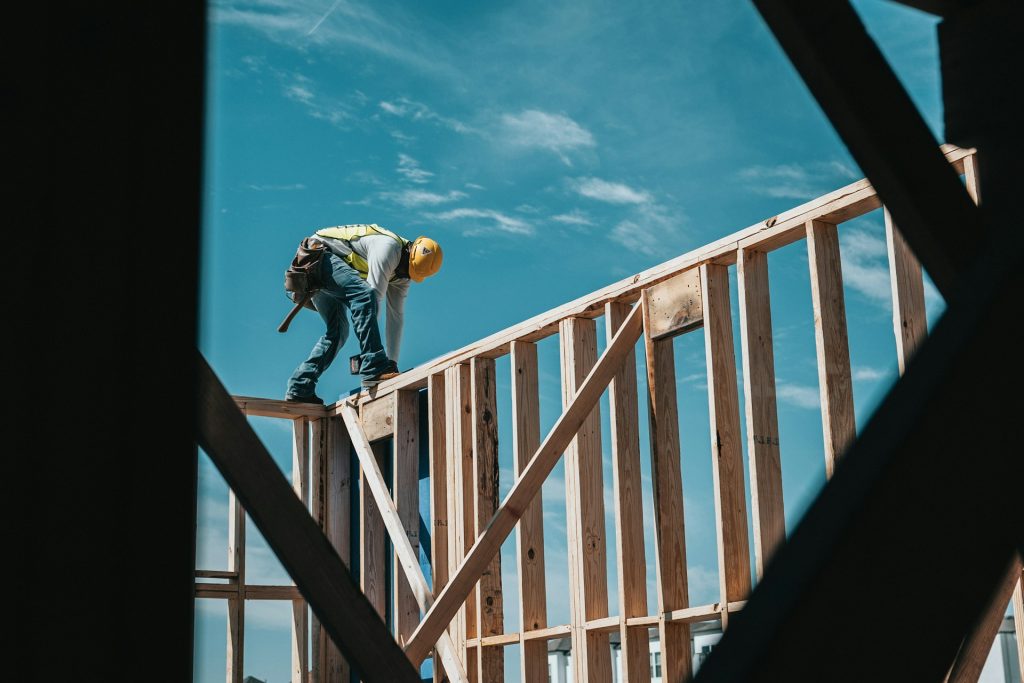
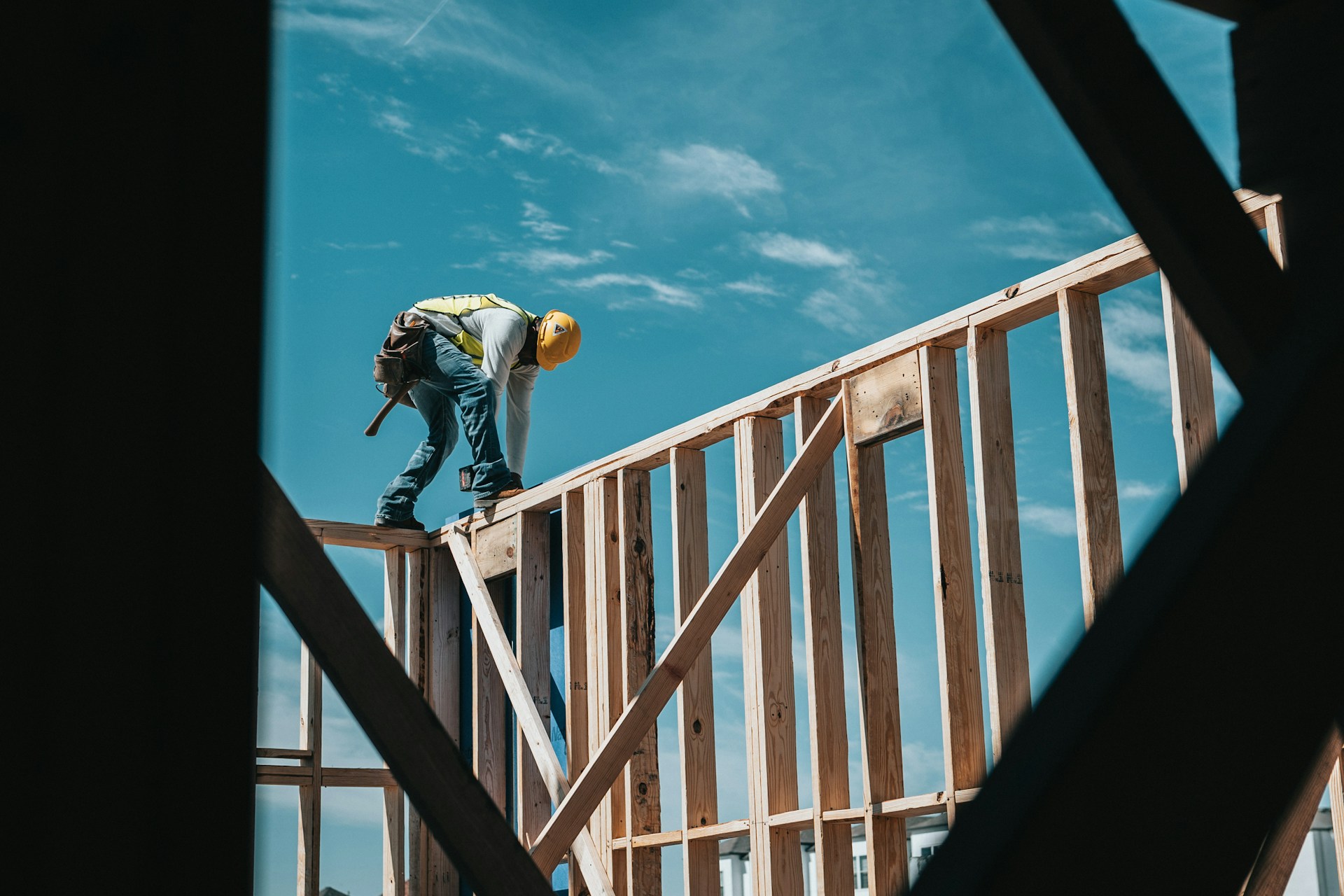
Wood stands out as one of the most versatile and renewable building materials. When harvested and processed correctly, timber provides strength, flexibility, and aesthetic warmth. Builders who choose sustainable timber support managed forests that maintain biodiversity and minimize carbon output. This decision reduces the need for more energy-intensive materials.
Well-managed forests allow for regular harvesting without long-term depletion. Tree planting programs and forest certifications ensure that the environment regenerates and thrives. Timber used from these sources becomes a low-impact solution that suits many design styles and structural needs.
These benefits extend to engineered wood products. Laminated beams, cross-laminated timber, and other engineered options increase strength and durability while using smaller, faster-growing trees. This process reduces waste and optimizes forest resources without compromising performance.
The Role of Insulation and Thermal Materials
Energy efficiency depends heavily on how well a structure retains heat in winter and cool air in summer. Traditional insulation materials may use synthetic chemicals that break down into toxins or persist in landfills. Eco-conscious builders now seek natural alternatives made from sheep wool, cellulose, cork, or recycled denim.
These materials offer safe, effective insulation with less impact during production. They function well in a variety of climates and tend to maintain indoor comfort levels more consistently. Using natural insulation products aligns with broader goals of reducing exposure to pollutants and creating healthier indoor spaces.
Reclaimed and Recycled Materials in Modern Design
Construction teams often overlook the opportunity to reuse materials from previous buildings. Reclaimed wood, bricks, metal, and concrete not only save resources but introduce unique visual character to a space. Each piece carries history and texture that mass-produced products cannot replicate.
Using recycled materials diverts waste from landfills and reduces demand for new resource extraction. Advanced techniques in material refinement allow old materials to perform like new while carrying a lower environmental toll. Concrete aggregates, rubber flooring from tires, and glass tile from recycled bottles now support attractive, high-performance design.
Choosing Low-VOC and Non-Toxic Finishes
Many common finishes contain volatile organic compounds (VOCs) that affect air quality. Paints, sealants, and adhesives often release these chemicals during and after application. Exposure contributes to respiratory issues and environmental contamination.
Low-VOC and non-toxic alternatives exist for nearly every finish. Water-based paints, plant-oil sealants, and natural glues help eliminate these health hazards. Designers who prioritize indoor air quality choose these products to create safe, comfortable spaces for both workers and occupants.
Local Sourcing to Minimize Transportation Impact
Material transport adds hidden environmental costs. Shipping heavy loads across long distances increases fuel use and emissions. Sourcing materials close to the building site reduces this impact and supports regional economies.
Local products often reflect the environment they come from, contributing to design that feels grounded and responsive to climate and culture. Builders who establish strong relationships with regional suppliers help build a more sustainable infrastructure that strengthens the construction industry from within.
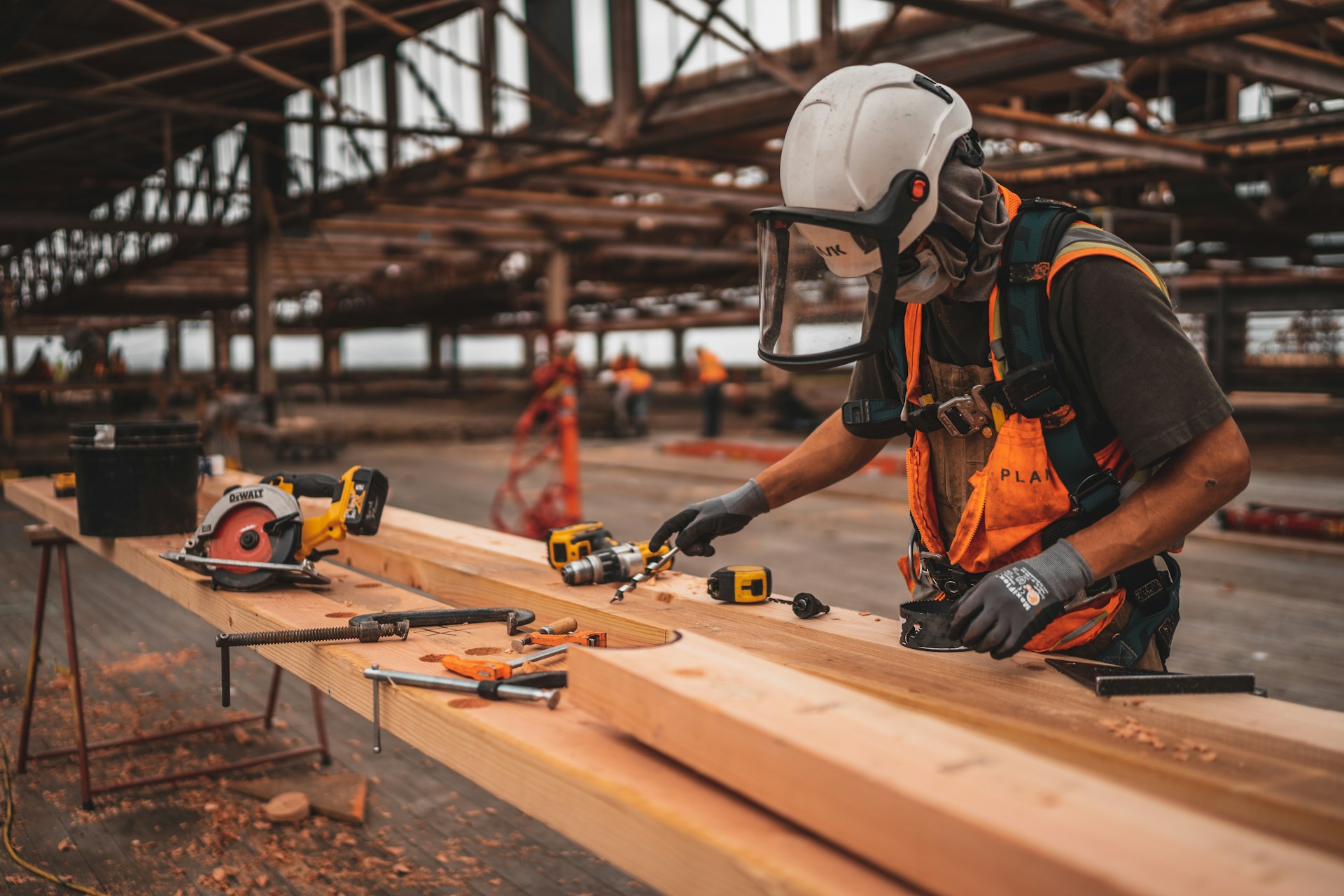
Sustainable construction starts with mindful material selection. Every product used in a project leaves a mark, either through environmental depletion or long-term resilience. Choosing eco-friendly materials means thinking beyond trends and price tags. It involves evaluating lifecycle impact, sourcing practices, and overall contribution to the project’s success.
Wood from managed forests, recycled concrete, natural insulation, and non-toxic finishes all support a future where buildings enhance rather than drain the environment. Builders and homeowners who invest in these materials set a foundation for comfort, health, and responsible growth. With clear priorities and strong information, every construction team can create projects that reflect care for the planet and the people who live in it.