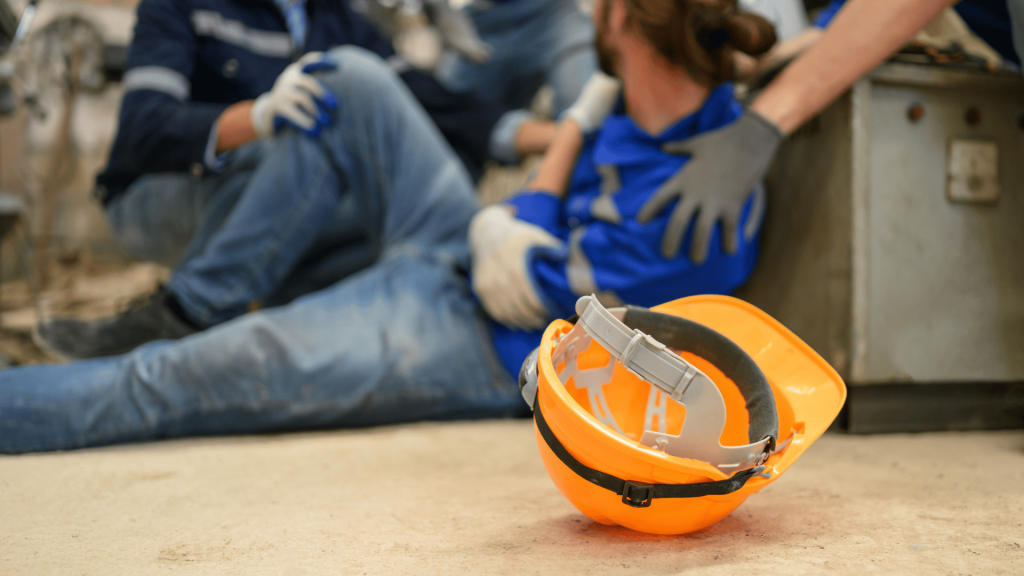
Workplace accidents can happen in any environment, from busy construction sites and warehouses to quiet office spaces. Some injuries appear serious right away, while others may seem minor at first but worsen over time. Regardless of the severity, reporting accidents immediately is one of the most important steps employees can take after an incident occurs.
Quick reporting helps protect employee safety, ensures accurate documentation, and allows employers to respond appropriately before problems become more serious. Delays can create confusion about what happened, increase safety risks for others, and complicate medical or administrative processes later. A strong workplace safety culture depends on open communication and timely action whenever accidents occur. Understanding why an immediate reporting matter helps both employees and employers create safer and more responsible work environments.
Accurate Documentation Becomes Easier
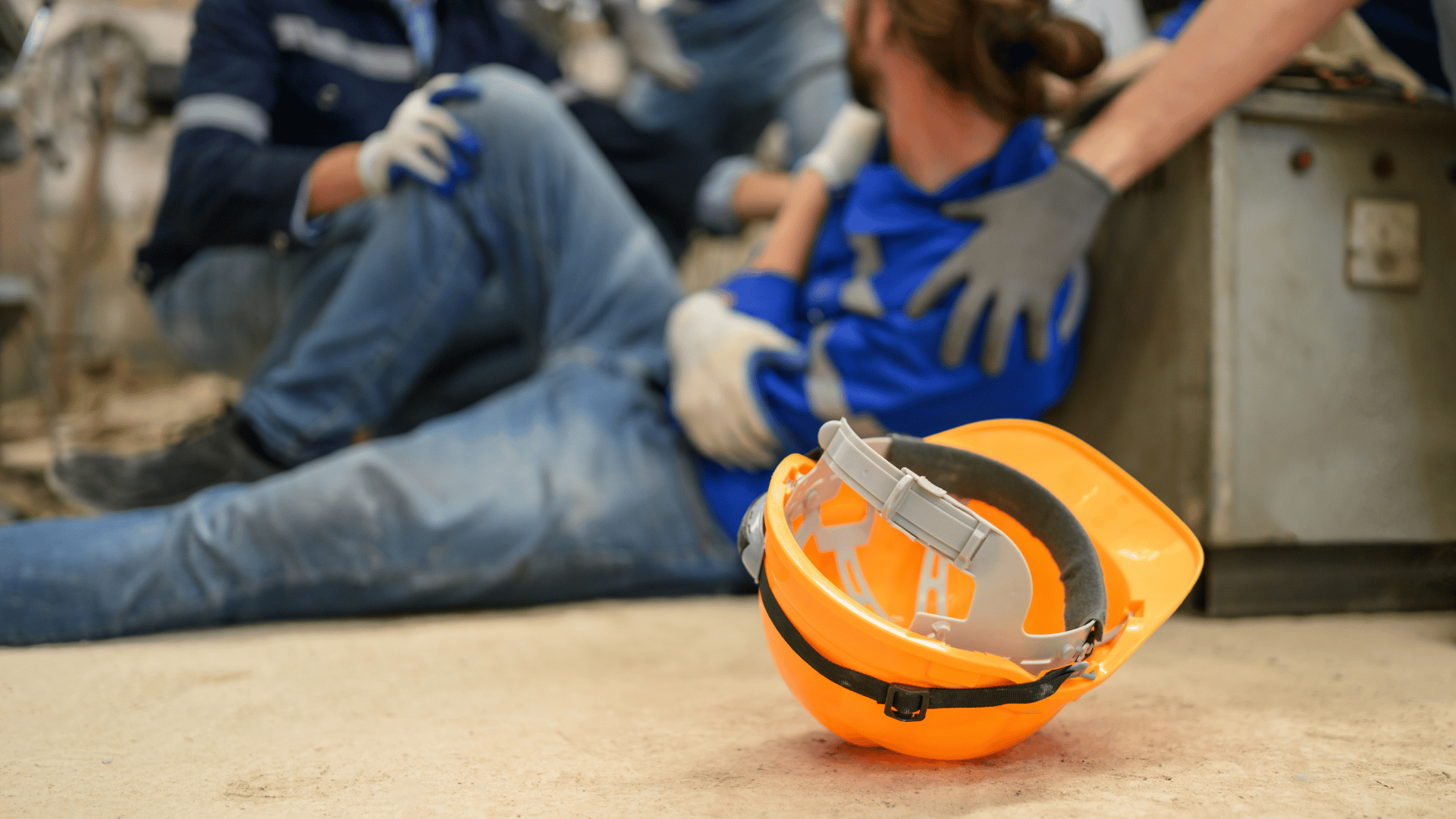
Reporting workplace accidents immediately helps create accurate records while details remain fresh in everyone’s memory. Important information such as the time, location, equipment involved, and sequence of events is easier to document correctly shortly after the incident occurs.
According to Chopin Law Firm, a group of New Orleans workers compensation lawyer, “Employees, witnesses, and supervisors are more likely to remember specific details clearly during the early stages following an accident. Delayed reporting may lead to missing information, conflicting accounts, or confusion about what actually happened.”
Accurate documentation supports workplace investigations, safety reviews, and future prevention efforts. Written reports, photographs, and witness statements provide valuable records that help organizations respond appropriately and maintain clear communication throughout the process.
Strong documentation protects both employees and employers by creating reliable records that reflect the actual circumstances surrounding the workplace accident.
Immediate Reporting Helps Protect Employee Health
After a workplace accident, adrenaline and shock can sometimes hide the true extent of an injury. Employees may believe they are fine initially, only to experience pain, swelling, or mobility issues hours or days later. Reporting accidents immediately helps ensure injuries receive proper medical attention before conditions worsen.
Prompt reporting also allows supervisors or safety personnel to evaluate whether emergency care is necessary. Quick medical assessments can identify hidden injuries such as concussions, internal damage, or muscle strains that may not be obvious right away.
Ignoring symptoms or delaying communication increases the risk of complications and longer recovery periods. Early treatment often improves outcomes while reducing the chances of more serious health problems developing later.
Protecting employee health should always remain the top priority after any workplace incident, no matter how minor the situation may initially appear.
Quick Action Helps Prevent Additional Injuries
When workplace accidents are reported immediately, employers can address dangerous conditions before someone else gets hurt. Unsafe equipment, slippery floors, exposed wiring, or hazardous work practices may continue creating risks if problems are not identified quickly.
Timely reporting allows safety teams to investigate the area, secure hazards, and make necessary corrections right away. This proactive approach helps prevent repeat accidents involving other employees working nearby.
Creating a culture where employees feel comfortable reporting safety concerns promptly helps organizations improve overall workplace protection and reduce future accident risks for everyone involved.
Reporting Supports Workplace Safety Improvements
Every accident provides an opportunity to improve workplace safety practices. Immediate reporting helps employers identify patterns, equipment issues, training gaps, or environmental risks that may require attention.
Safety teams often use accident reports to evaluate whether existing procedures are effective or if changes are needed. Repeated incidents involving similar causes may reveal larger operational problems that need correction.
Workplace safety programs become stronger when organizations learn from real incidents and respond proactively. Employees also gain confidence when they see employers taking reports seriously and making visible improvements afterward.
Consistent reporting creates valuable data that supports better decision-making, improved training programs, and safer daily operations. Preventing future accidents often begins with understanding why previous incidents occurred in the first place.
Delayed Reporting Can Create Complications
Waiting too long to report a workplace accident may create unnecessary complications for both employees and employers. Questions may arise about when the injury occurred, what caused it, or whether workplace conditions contributed to the incident at all.
Delayed communication can also make investigations more difficult because evidence may disappear or witness memories may become less reliable over time. This creates confusion that could have been avoided through immediate reporting.
Employees who delay reporting injuries may also continue working while injured, potentially worsening their condition and increasing recovery time. Small injuries can become more serious when proper care is postponed unnecessarily.
Addressing workplace incidents promptly helps avoid misunderstandings and ensures problems are handled efficiently before situations become more difficult to manage later.
Open Communication Builds Workplace Trust
A workplace where employees feel comfortable reporting accidents and safety concerns often develops stronger trust between workers and management. Open communication encourages people to speak honestly about hazards without fear of blame or punishment.
Trust and transparency play important roles in maintaining safe and productive work environments where employee well-being remains a shared priority every day.
Safety Awareness Benefits Everyone at Work
Immediate accident reporting does more than address individual incidents—it strengthens overall workplace awareness. Employees become more conscious of potential hazards when safety discussions remain active and visible throughout the organization.
Regular communication about accidents and near misses helps workers understand how quickly dangerous situations can develop. This awareness encourages greater caution, attention, and responsibility during daily tasks.