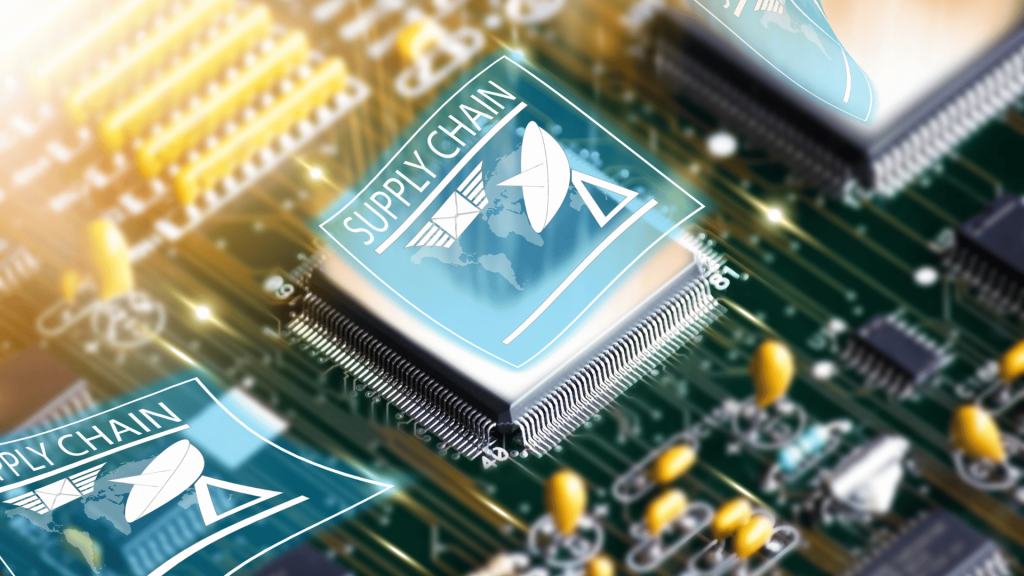
The focus has shifted to materials that enable sophisticated production as the world’s demand for chips continues to grow. Among these, specialty gases have emerged as a crucial area of interest, impacting everything from technological advancement to production productivity. These gases are now critical assets that influence investment decisions throughout the semiconductor supply chain, according to industry experts such as Pavel Perlov. As fabrication processes get more intricate and accurate, their function is growing.
Why Specialty Gases Matter in Modern Chip Manufacturing
Semiconductor manufacturing depends on extremely controlled environments where even the smallest variation can impact performance and quality. Specialty gases play a major role in key production steps like etching, deposition, and cleaning because these processes require very high purity levels and consistent delivery. Without these gases, many of the advanced methods used to produce modern chips simply wouldn’t work. As chip designs continue to get smaller and more complex, the role of specialty gases becomes even more important.
A variety of gases, such as ultra-high-purity nitrogen, hydrogen, and rare chemicals intended for particular process stages, are used by manufacturers. To avoid contamination, each gas must adhere to stringent quality criteria. Because of this degree of accuracy, supply dependability is just as crucial as the gases themselves. Any interruption can impede output and affect downstream businesses that depend on semiconductors.
Investment Shifts Toward Upstream Materials
Investment has shifted in recent years from fabrication units to upstream suppliers. To meet growing demand, producers of specialty gas are increasing capacity and advancing purification methods. This change represents a more comprehensive realization that raw materials and processing inputs are the foundation of supply chain resilience. As they become aware of the strategic importance of these divisions, investors are focusing more on them.
To lower transportation hazards and speed up response times, new facilities are being constructed near important semiconductor hubs. This localized strategy promotes manufacturing growth in the area and helps ensure a steady supply. Additionally, it enables chip manufacturers and gas providers to collaborate. These partnerships frequently result in more effective and customized solutions.
The Role of Innovation in Gas Production
The need for specialty gases changes along with semiconductor processes. To develop novel ingredients and enhance existing formulas, producers are investing in research. Next-generation technology, such as sophisticated logic chips and memory devices, depends on this invention. Additionally, it helps producers achieve improved performance and higher yields.
Another area of emphasis is better purifying techniques. Purity standards are becoming more stringent, as even trace contaminants can affect manufacturing at advanced nodes. To meet these expectations while preserving scalability, gas companies are implementing new technologies. Investment in the industry is largely driven by the harmony between innovation and dependability.
Supply Chain Resilience and Strategic Planning
Recent global disruptions have made it clear just how important a stable supply chain really is. Specialty gases, which were once seen as more of a behind-the-scenes component, are now viewed as a possible weak point if supply issues arise. Because of that, many companies are working to diversify their suppliers and build more backup options into their systems. The goal is to reduce the risk of shortages and avoid costly production delays.
Governments are also getting more interested as they realize how important semiconductors are to both economic expansion and national security. Supporting the development of specialized gas is a common component of policies aimed at improving domestic supply chains. These programs promote investment and contribute to the development of a more harmonious global ecosystem. An industry that is more adaptable and robust is the outcome.
Key Factors Driving Investment in Specialty Gases
Both government and private industries are paying a lot more attention to specialty gases as their importance in advanced manufacturing continues to grow. Much of this increased interest and investment is being driven by the rising demand for advanced semiconductor production, increasingly complex fabrication processes, and the need for ultra-high-purity materials with a stable, reliable supply. At the same time, regional manufacturing hubs are expanding, and companies are putting a stronger focus on supply chain stability and security.
Long-Term Outlook for the Semiconductor Ecosystem
In the future, specialty gases will remain crucial in influencing the semiconductor sector. The demand for accurate and dependable inputs will only increase as technology develops. Businesses that make this kind of investment are setting themselves up to sustain a competitive edge and foster future innovation. Both long-standing competitors and recent arrivals concentrating on specialized skills fall under this category.
Specialty gas production is expected to become more connected to broader supply chain strategies. We’ll likely see more localized production, joint ventures, and partnerships as companies look for smarter ways to operate. Overall, the industry is moving toward a more connected and strategic manufacturing model, where upstream materials play a much bigger role instead of being treated as an afterthought.
Final Thoughts
In the semiconductor supply chain, specialty gases have become a major source of investment, impacting resilience and innovation. They are crucial to the industry’s future, as they enable sophisticated manufacturing processes. Perspectives from individuals such as Pavel Perlov demonstrate the growing strategic significance of these materials in international markets. The emphasis on specialty gases will remain crucial in determining the next stage of industry expansion as the demand for semiconductors rises.

Ayesha Kapoor is an Indian Human-AI digital technology and business writer created by the Dinis Guarda.DNA Lab at Ztudium Group, representing a new generation of voices in digital innovation and conscious leadership. Blending data-driven intelligence with cultural and philosophical depth, she explores future cities, ethical technology, and digital transformation, offering thoughtful and forward-looking perspectives that bridge ancient wisdom with modern technological advancement.