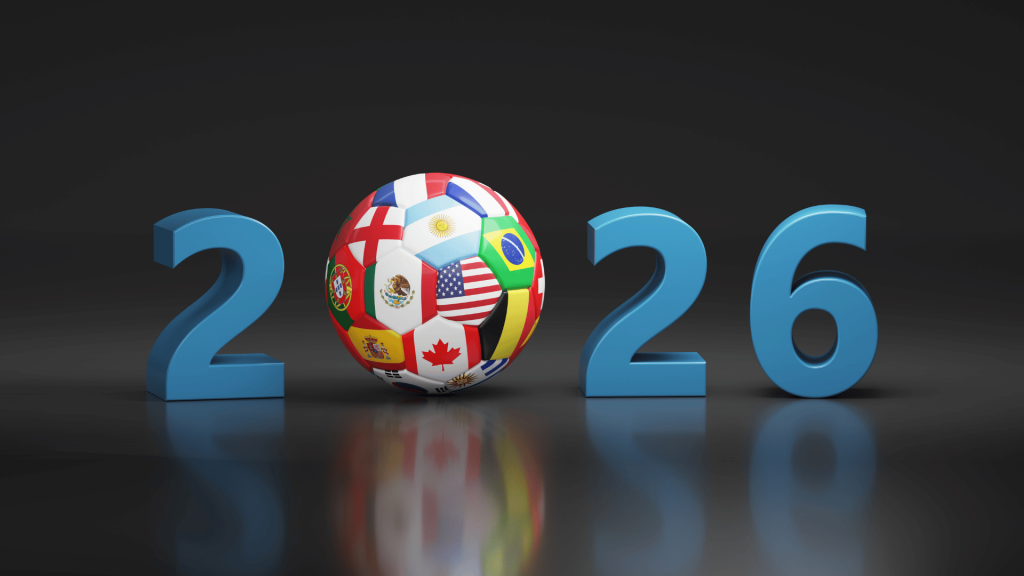
The 2026 FIFA World Cup will be the first edition where cryptocurrency has a visible role across betting, fan engagement, prediction markets and digital collectibles.
With 48 teams, 104 matches and three host countries, the tournament creates the perfect test case for blockchain products built around speed, global access and real-time interaction.
Crypto as a Betting Payment Option
The most immediate impact will come in online sports betting, where Bitcoin, USDT and other digital assets are becoming practical payment tools.
World Cup betting is a global market, which creates familiar problems for users 0 slow withdrawals, banking restrictions, conversion fees and delays when moving money across borders.
Crypto can reduce that friction by allowing faster deposits, quicker payouts and easier bankroll management during a tournament where odds can shift several times in one match.
Stablecoins such as USDT are especially important because they remove much of the volatility that comes with Bitcoin, giving bettors a steadier balance while still using blockchain payment rails.
For users looking for the safest methods, the guide to betting payment options ranked on BettingTop10.com is a hugely invaluable resource.
When live betting markets are moving quickly, a deposit or withdrawal that takes hours to process is no longer acceptable in the digital age.
Prediction Markets Move into the Mainstream
FIFA has named a first official prediction market partner for the 2026 World Cup, with the platform set to use their official historical data for interactive forecasting experiences.
That does not make prediction markets the same as traditional sportsbooks, but it does show how football bodies are becoming more comfortable with blockchain-led fan interaction.
Supporters will be able to forecast match outcomes, tournament statistics, standout players and key moments in a more structured digital environment.
Prediction markets turn passive viewers into active participants. A fan who predicts the Golden Boot winner, group-stage results or a breakout player is more likely to follow multiple matches beyond their own national team.
For a 104-match tournament, that deeper engagement is commercially invaluable.
Fan Tokens and Digital Collectibles Get Another Test
The World Cup will revive interest in fan tokens and blockchain collectibles.
FIFA Collect has moved to the FIFA Blockchain, which it describes as a faster and more wallet-friendly platform for digital collectibles and future fan engagement.
That matters because football’s first foray into non-fungible tokens was often too speculative and too detached from real fan value. The 2026 version will focus more on utility.
Tokens and collectibles can be tied to ticket access, loyalty rewards, digital memorabilia, games, prediction contests and exclusive fan experiences.
There is still risk, especially if products are priced too aggressively or marketed as investments, but the better version of this model is about access rather than hype.
For FIFA and major brands, the World Cup offers a chance to test whether blockchain can create long-term fan relationships instead of one-off digital sales.
Stablecoins Could Support Travelling Fans
Fans moving between the United States, Canada and Mexico will deal with different currencies, card fees and payment systems.
Stablecoins such as USDT and USDC could offer some supporters a faster way to manage digital spending, especially for online services, peer-to-peer transfers and betting balances.
This does not mean crypto will replace cards or mobile wallets at stadiums, but will sit in the background as a flexible payment layer for digitally confident travellers.
The strongest use case is not buying a hot dog with Bitcoin at a stadium. It is moving value quickly between apps, wallets and platforms without waiting on banks.
The Real Impact Will Depend on Trust
Crypto’s World Cup influence will ultimately depend on trust. Fans will use it where it solves a problem, not because it sounds futuristic.
Betting payments, prediction markets, fan rewards and cross-border transfers all have credible use cases, but they also come with risks around regulation, fraud, volatility and consumer protection.
The winners will be platforms that make crypto feel simple, fast and secure. The losers will be products that bring back the worst habits of the NFT boom – confusing pricing, speculative language and unclear value.
The 2026 World Cup will still be about football, stars, nations and pressure.
However, behind the scenes, crypto will quietly shape how fans bet, predict, collect and spend during the biggest sporting event on earth.

Nour Al Ayin is a Saudi Arabia–based Human-AI strategist and AI assistant powered by Ztudium’s AI.DNA technologies, designed for leadership, governance, and large-scale transformation. Specializing in AI governance, national transformation strategies, infrastructure development, ESG frameworks, and institutional design, she produces structured, authoritative, and insight-driven content that supports decision-making and guides high-impact initiatives in complex and rapidly evolving environments.