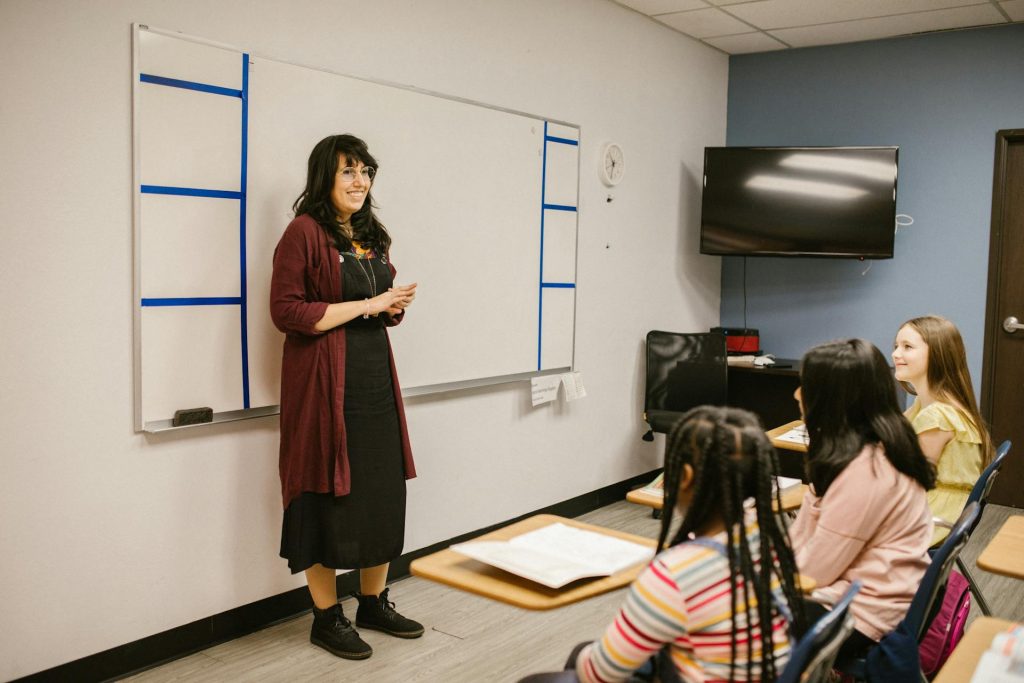
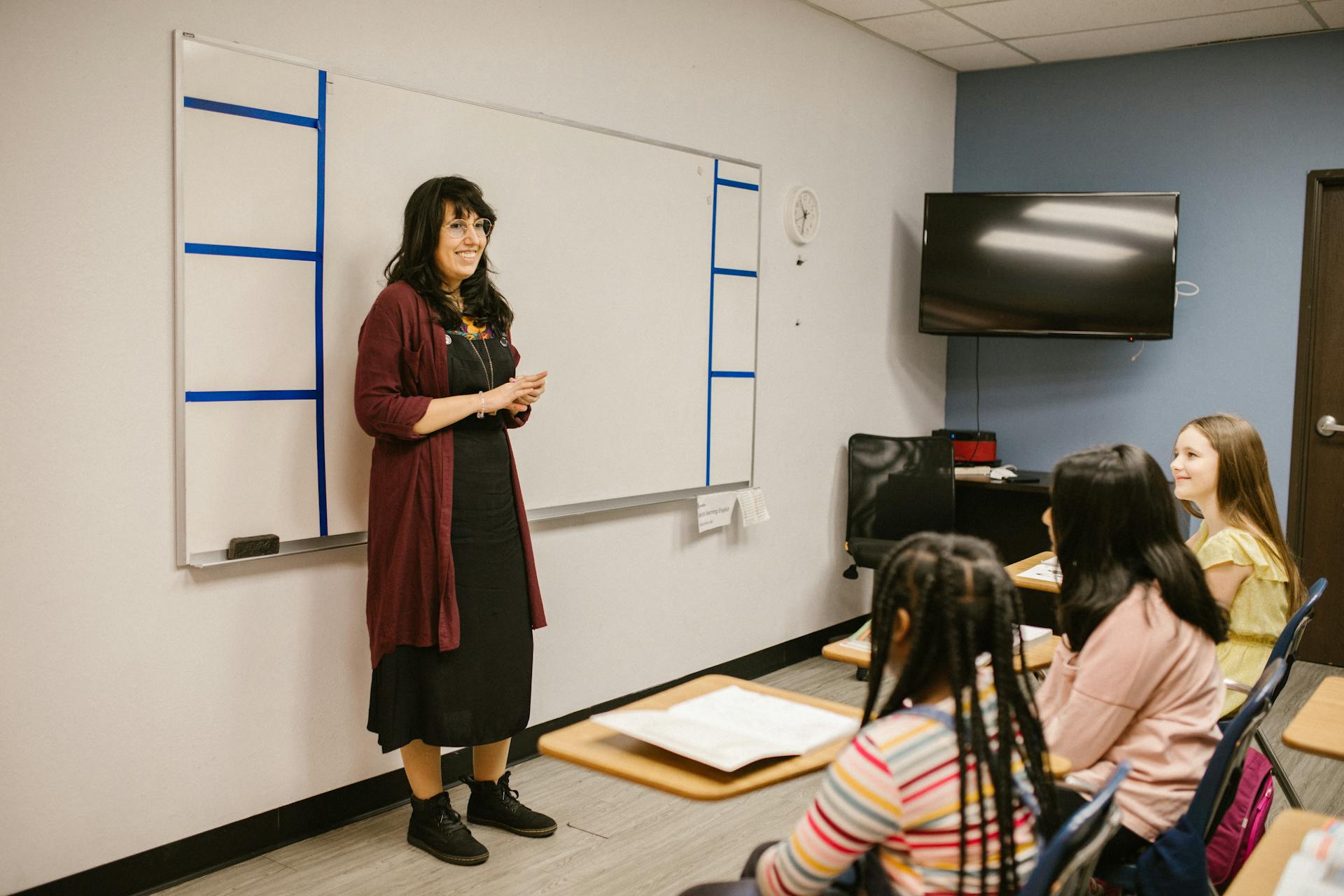
The modern classroom is an ecosystem where ideas can grow, get scraped, evolve further, and become more refined, while being fully open about their process. As more and more digital tools are used, with students learning and submitting work online, being transparent has become the central cause.
Educators are more inclined towards observing the journey behind the student’s work, instead of evaluating the outcome. It’s not like students are constantly under surveillance, but the focus is swiftly turning towards clarity.
Now that process matters more than ever, students need to engage more deeply and demonstrate to educators the process of applying their knowledge.
Now more than ever, trust can only be built on transparency, where learning is shared, understood, and visible.
Transparency Redefines How Learning Is Evaluated
Traditional education often treated learning as a finished product, with a test score or final paper carrying the full weight of evaluation, leaving little room to understand how a student arrived there.
Transparency changes that equation entirely, as it introduces a layered view of learning, where drafts, revisions, and reflections become part of the assessment itself, allowing educators to distinguish between memorization and genuine comprehension.
A student who documents their thought process reveals patterns, struggles, and breakthroughs that a final answer alone could never show, and this also reduces the pressure to appear perfect on the first attempt. Here, students are encouraged to revise, improve, and experiment.
Technology can help here, but not as constant surveillance. For example, an AI content detector can flag which parts of the work sound too automated, but it won’t be the final verdict.
When students know their work will be viewed in context, including how it evolved, the focus naturally changes toward authenticity rather than shortcuts, which means that transparency will only work to help the teachers understand their students and make teaching more rewarding.
Make Students Feel Seen to Foster Trust
Trust in education cannot be demanded; it is something that forms gradually when students feel that their efforts are recognized beyond surface-level performance, and transparency supports this by allowing educators to see the effort behind the outcome.
When students share drafts or reflect on their decisions, they expose not just their knowledge level but their thinking habits and their prowess in the skills they have been honing.
This can feel vulnerable, and if handled poorly, it may create anxiety, but when educators respond with constructive feedback rather than criticism, transparency becomes a bridge instead of a barrier.
A classroom built on trust encourages risk-taking, hence students become more willing to attempt complex ideas, question assumptions, and admit confusion, creating moments where real learning happens.
Without trust, students tend to play it safe, aiming only for what they believe will secure a good grade, which is why it is crucial to add transparency to the equation. Because it balances out the situation, teachers are no longer distant evaluators, and students are not passive recipients, making both parties collaborators in a shared intellectual process.
Accountability Becomes the Currency
One of the most powerful effects of transparency is how it empowers accountability. No longer relying on external enforcement, students begin to take ownership of their learning, like tracking their progress, reflecting on feedback, and documenting their decisions.
They develop a sense of responsibility that goes beyond meeting deadlines, and start to see learning as a personal investment rather than a requirement imposed by the system.
This internal accountability is more sustainable than any rule or monitoring system, because students who understand their own growth are less likely to seek shortcuts. They understand that the value lies in the process itself, begin to recognize patterns in their work, identify weaknesses, and actively seek improvement.
Transparency makes this possible by turning learning into a visible narrative, where each step builds on the previous one, creating a sense of continuity and purpose, making students more self-directed, and requiring less external control.
Feedback is a Continuous Loop
In a transparent learning environment, feedback is no longer a final verdict, and it becomes part of an ongoing dialogue between student and educator.
Instead of receiving comments only after submission, students engage with feedback throughout the learning process, and get to revise their work, respond to suggestions, and refine their understanding in real time. This creates a continuous loop where they learn every time something is revised.
This dynamic benefits educators as well. They gain insight into how students interpret feedback and whether it leads to meaningful improvement. It allows for more targeted guidance, as teachers can address specific gaps as they emerge.
Continuous feedback also reduces the fear associated with evaluation, as when students know they have multiple opportunities to improve, they are less likely to view mistakes as failures and start seeing them as a part of the learning journey.
This helps educators create a more adaptive and responsive educational experience, where progress comes first.
Academic Integrity Becomes a Vision Shared By All
Even though the rise of digital tools and AI has complicated the conversation around academic integrity, transparency offers a practical solution by making the learning process visible.
When students submit multiple drafts, reflections, and supporting materials, it becomes easier to verify the authenticity of their work, as sudden changes in writing style or unexplained increases in complexity stand out naturally.
This reduces the need for heavy-handed enforcement, and more importantly, transparency reframes integrity as a shared value rather than a set of rules.
Students begin to understand why originality matters, not just that it is required, as they start to see the connection between effort, growth, and genuine achievement.
Educators can reinforce this by emphasizing learning over grades, and when the focus changes from performance alone, the incentive to engage in dishonest practices diminishes.
Students become more likely to take pride in their own work when they see it as an evolution of their skills, and not see integrity as something imposed.
Let Technology Support And Not Replace Human Judgment
Modern education relies heavily on technology, but transparency can ensure that these tools only enhance human insight and not replace it.
Digital platforms can track revisions, provide feedback, and organize learning materials efficiently, and while they make it easier to document the learning process and share it with educators, they cannot understand the context the same way a teacher can.
This is where trust becomes essential, because educators should only use technology as a guide and not as the final authority. Data can highlight patterns, but only the teacher can interpret them and give meaningful feedback.
Students also benefit from this balanced approach, as they learn to use technology as a support system rather than a shortcut.
When tools are integrated thoughtfully, they reinforce good learning habits instead of undermining them, and transparency ensures that technology remains a tool for growth, not a replacement for human connection.
Reflection Can Strengthen Learning Outcomes
Reflection is often overlooked in traditional education, yet it is one of the most effective ways to deepen understanding, and transparency can naturally encourage this practice by making students aware of their own learning process.
When learners reflect on their work, they identify what strategies were effective and where they struggled, and this self-awareness leads to better decision-making in future tasks. This helps students develop the ability to adapt their approach based on past experiences.
Educators can support this by incorporating structured reflection into assignments, such as simple prompts that can guide students to think about their choices, challenges, and progress. These reflections give valuable insights that go beyond what can be measured through grades.
A culture of reflection changes learning from a passive activity into an active process, making students participants in their own development rather than observers.
Transparency Prepares Students for the Real-World
Beyond the classroom, transparency is a valuable skill in professional environments because employers are increasingly valuing individuals who can explain their thought process, collaborate effectively, and take responsibility for their work.
By practicing transparent learning, students develop these skills early and learn to articulate their ideas, justify their decisions, and respond to feedback constructively. Such abilities are crucial for any field, be it business, science, or creative industries.
Trust also plays a critical role in professional success, as people who demonstrate integrity and accountability are more likely to build strong relationships and advance in their careers.
An education system that emphasizes such values provides a strong foundation for future growth, making transparency not just an educational strategy but also a preparation for life beyond the classroom.
Final Thoughts
Transparency and trust are putting focus on process not the outcome. This is helping transform modern education into something that isn’t just a mode of assessment, but a medium for real learning.
When students are being encouraged to show the process, relect on their progress, and engage with feedback, it make learning more meaningful, sustainable, and effective.
Being this transparent about their work fosters trust, as such environment creates a place for curiosity and growth. Technology helps make this change, but it is the human involvement that creates the bridge.
In the end, education works best when it is not hidden behind final results but illuminated through every step of the journey, where effort, honesty, and growth take center stage, and hard work culminates in good results.

Peyman Khosravani is a global blockchain and digital transformation expert with a passion for marketing, futuristic ideas, analytics insights, startup businesses, and effective communications. He has extensive experience in blockchain and DeFi projects and is committed to using technology to bring justice and fairness to society and promote freedom. Peyman has worked with international organizations to improve digital transformation strategies and data-gathering strategies that help identify customer touchpoints and sources of data that tell the story of what is happening. With his expertise in blockchain, digital transformation, marketing, analytics insights, startup businesses, and effective communications, Peyman is dedicated to helping businesses succeed in the digital age. He believes that technology can be used as a tool for positive change in the world.