
A lot of founders assume SaaS valuation is mostly a math problem. If two companies each have $5 million in ARR, they should sell for about the same price.
That is not how buyers look at it.
In real SaaS transactions, two companies with similar revenue can trade at very different values because buyers are not paying for revenue alone. They are paying for the quality of the revenue, the risk in the business, and how confident they are that the company will keep performing after the deal closes.
Revenue starts the conversation. It does not determine the final price.
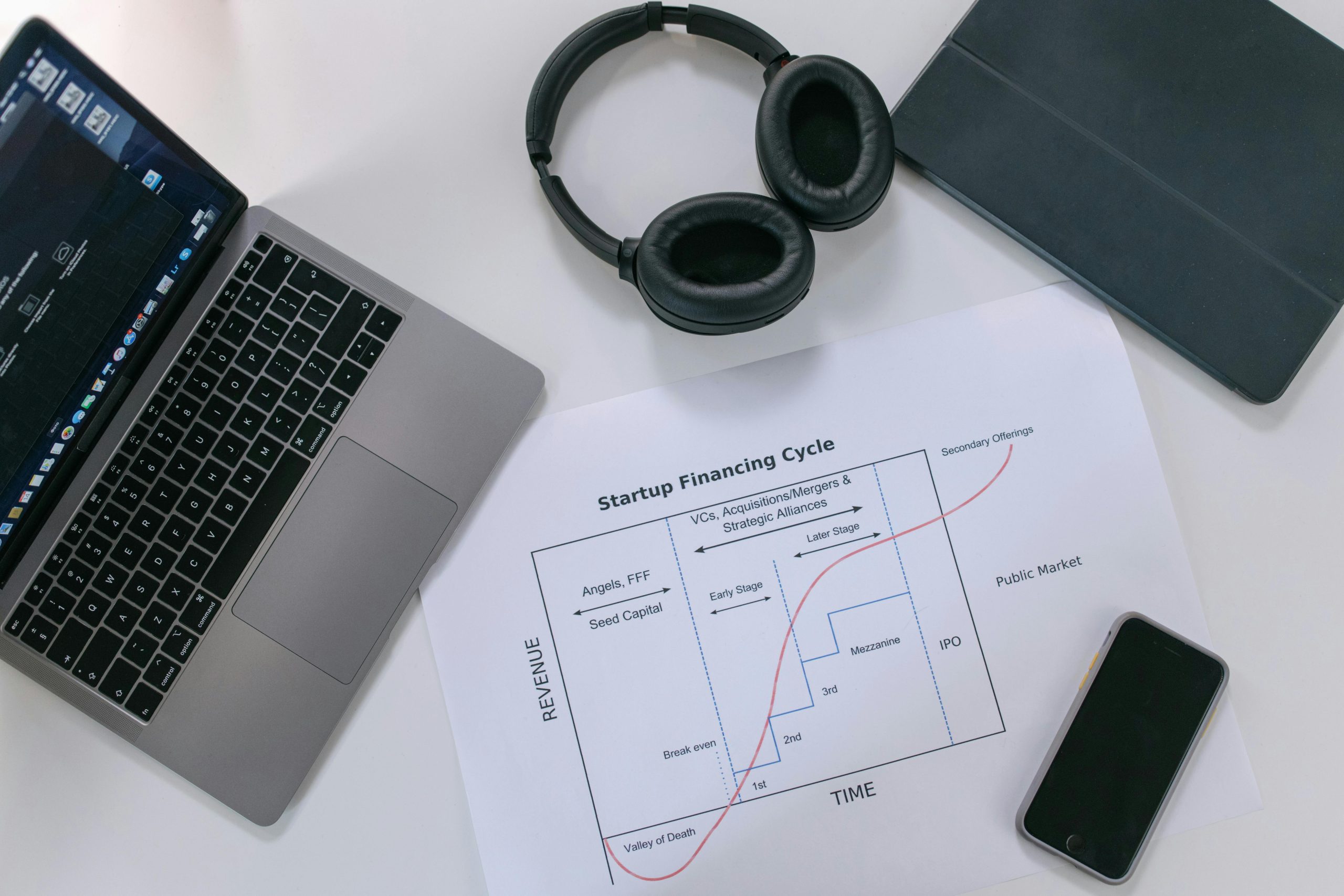
Revenue Size Matters, But Revenue Quality Matters More
Recurring revenue is attractive because it suggests predictability. But not all recurring revenue deserves the same multiple.
A buyer will usually ask a deeper question: how durable and scalable is this revenue stream? If the company has strong retention, clean financials, a broad customer base, and a product that customers actually rely on, the valuation usually moves up. If revenue looks unstable or hard to maintain, the multiple comes down.
This is one reason founders can get confused when they compare their business to another SaaS company that sold at a much higher number. Similar revenue does not mean similar value. The market is pricing risk and future upside, not just current size.
Growth Changes the Conversation Quickly
Growth is still one of the strongest drivers of valuation.
If one SaaS company is growing 35 to 40 percent per year and another is growing 5 percent, buyers are not going to treat them the same. The faster-growing company gives the buyer a stronger story about future cash flow, market demand, and product-market fit.
That does not mean slower-growth companies cannot sell well. Many do, especially if they are profitable and stable. But high growth usually earns a premium because it gives buyers more confidence that the business has momentum rather than just maintenance revenue.
Retention Has a Huge Impact on Value
This is where many valuation discussions get more serious.
A SaaS business can show attractive top-line numbers and still disappoint buyers if churn is too high. Buyers want to know whether customers stay, whether they expand, and whether the company is constantly replacing lost revenue just to stand still.
Strong retention supports a stronger multiple because it reduces perceived risk. Weak retention does the opposite.
If you want a deeper look at how buyers interpret churn, ARR quality, and expansion revenue, see How ARR, Churn, and NRR Shape SaaS Valuations.
Customer Concentration Can Quietly Cut the Price
Founders do not always appreciate how much customer concentration can hurt value until buyers start asking questions.
If too much revenue comes from one or two accounts, the business becomes riskier. Even if the customers are good customers, the buyer has to think about what happens if one leaves after closing. That risk usually lowers the multiple.
A company with a larger number of smaller, stable customers usually looks safer than one where a few accounts drive the business. Buyers pay attention to that.
Founder Dependency Makes Buyers Nervous
A lot of smaller SaaS companies are more founder-dependent than the owner realizes.
If the founder handles the key sales relationships, product direction, major customer issues, and most important decisions, the buyer may worry that performance drops the moment the founder steps back. That concern can reduce price or lead to more conservative terms.
Buyers are much more comfortable when they see documented systems, shared knowledge, a capable team, and a business that can operate without one person carrying the whole thing.
Product Strength and Positioning Matter
Some SaaS products are easy to replace. Others are deeply embedded in a customer’s workflow and painful to remove.
That difference matters a lot in valuation.
A company with strong niche positioning, mission-critical functionality, sticky integrations, or a defensible product advantage will usually get better attention from serious buyers. A more generic product with weak differentiation often gets a more cautious response.
Profitability Still Matters, Especially to Financial Buyers
In some parts of software, growth can outweigh current earnings. But profitability still matters, especially for buyers who care about cash flow and downside protection.
A profitable SaaS company usually has a wider buyer pool because it appeals not just to strategic acquirers, but also to private equity groups and disciplined financial buyers. Profitability shows that the company is not just interesting. It shows that it works.
The Buyer Type Matters Too
One of the biggest mistakes founders make is assuming there is one correct value for their company.
There is not.
A private equity buyer may focus more on EBITDA, retention, operating discipline, and the ability to scale with better sales execution. A strategic buyer may be willing to pay more if the acquisition fills a product gap, opens up a customer segment, or creates cross-sell opportunities.
So the same company can be worth one number to a financial buyer and a higher number to a strategic buyer. The company has not changed. The buyer’s reason for buying it has changed.
Process Quality Also Affects Valuation
This part gets overlooked all the time.
A founder talking to one interested buyer does not really know what the market would pay. One buyer may like the business. That does not mean the offer is strong. It just means there is one offer.
Real competition is what improves both price and terms. When multiple qualified buyers are involved at the same time, sellers gain leverage. That can improve cash at closing, reduce earnout pressure, and create better overall deal structure.
This is also why founders often overestimate buyer demand when they receive inbound interest. Many inquiries are exploratory, not serious acquisition intent. A fuller explanation is in The Illusion of Buyers When Selling a SaaS Company.
What Founders Should Do Before Going to Market
Founders usually get better outcomes when they prepare before starting a sale process.
That means:
– keep financial records clean
– track core SaaS metrics consistently
– reduce customer concentration where possible
– build systems that reduce founder dependency
– understand how buyers will view growth, churn, and profitability
Preparation does not guarantee a premium. But it gives buyers fewer reasons to discount the business.
Final Thought
Two SaaS companies with the same revenue can sell for very different prices because buyers are evaluating much more than top-line numbers. They are evaluating retention, growth quality, customer concentration, founder dependency, profitability, product strength, and how risky the business looks after closing.
Revenue gets attention. Quality gets paid for.

Peyman Khosravani is a global blockchain and digital transformation expert with a passion for marketing, futuristic ideas, analytics insights, startup businesses, and effective communications. He has extensive experience in blockchain and DeFi projects and is committed to using technology to bring justice and fairness to society and promote freedom. Peyman has worked with international organizations to improve digital transformation strategies and data-gathering strategies that help identify customer touchpoints and sources of data that tell the story of what is happening. With his expertise in blockchain, digital transformation, marketing, analytics insights, startup businesses, and effective communications, Peyman is dedicated to helping businesses succeed in the digital age. He believes that technology can be used as a tool for positive change in the world.