When you’re looking at loans, you’ll see two main types: fixed and variable. Fixed rates stay the same the whole time, which is nice and predictable. But variable rates? They can change. This article will break down what a variable rate loan example looks like and how those changing rates might affect your payments. We’ll cover how they work, the good and the not-so-good, and give you a better idea if this type of loan is the right move for you.
Key Takeaways
- A variable rate loan means your interest rate can go up or down over the life of the loan, based on market conditions.
- These rates are usually tied to a benchmark index, like the prime rate, plus a set margin from the lender.
- Common examples include adjustable-rate mortgages (ARMs), credit cards, and home equity lines of credit (HELOCs).
- Variable rates can save you money if rates fall, but they carry the risk of higher payments if rates rise.
- It’s important to understand rate caps, floors, and adjustment schedules to plan your budget effectively.
Understanding Variable Rate Loans
When you’re looking into loans, you’ll run into two main types: fixed-rate and variable-rate. They sound pretty similar, but they work in fundamentally different ways, especially when it comes to the interest you’ll pay over time. A variable-rate loan means the interest rate on your loan can change throughout its life. This is the core difference. Unlike a fixed-rate loan where your interest rate is locked in from day one until you pay it off, a variable rate is tied to something else – an economic indicator, like the prime rate or a similar benchmark. If that benchmark rate goes up, your loan’s interest rate usually goes up too. And if it goes down, your rate might decrease. This fluctuation means your monthly payments could change, sometimes significantly, depending on what’s happening in the broader economy.
What is a Variable Interest Rate?
A variable interest rate is essentially an interest rate that isn’t set in stone. It’s linked to a benchmark index, which is a commonly used financial indicator. Think of it like a weather report for your loan’s interest cost. When the economic weather changes, so does your interest rate. The loan agreement will spell out exactly which index your rate is tied to and how often it can be adjusted – maybe monthly, quarterly, or annually. This means the amount of interest you’re charged can go up or down over the life of the loan.
How Variable Rates Differ from Fixed Rates
The main distinction between variable and fixed rates boils down to predictability. With a fixed-rate loan, your interest rate stays the same from the moment you take out the loan until it’s fully repaid. This offers a high degree of certainty, making budgeting straightforward because your principal and interest payments won’t change. Variable-rate loans, on the other hand, introduce an element of uncertainty. Because the interest rate can fluctuate, your monthly payments can also change. This can be a good thing if rates fall, leading to lower payments, but it can be a concern if rates rise, potentially increasing your costs.
Here’s a quick look at the key differences:
- Fixed Rate: Interest rate is constant throughout the loan term. Payments are predictable.
- Variable Rate: Interest rate can change based on a benchmark index. Payments can fluctuate.
Key Components of Variable Rate Loans
Understanding the parts of a variable-rate loan is important for knowing how it might affect you. The interest rate itself is usually made up of two parts: a benchmark index and a spread (or margin). The benchmark index is the external economic indicator your rate is tied to, like the prime rate. The spread is a fixed percentage that the lender adds to the benchmark rate. So, if the prime rate is 5% and the lender’s spread is 2%, your initial interest rate would be 7%. Beyond that, loan agreements often include caps and floors. A cap sets the maximum interest rate your loan can reach, either at each adjustment period or over the entire life of the loan. A floor sets the minimum interest rate, meaning your rate won’t go below a certain point even if the benchmark index drops significantly. These features are designed to offer some protection against extreme rate swings.
Borrowers should carefully review the terms of any variable-rate loan, paying close attention to the benchmark index used, the spread, and any caps or floors. This information is vital for understanding potential payment changes and managing financial expectations over the loan’s duration.
Common Types of Variable Rate Loans
Variable rates aren’t just for one kind of borrowing; they pop up in several different places. Each type of loan handles the changing interest rate a bit differently, so it’s good to know what you’re getting into.
Adjustable-Rate Mortgages (ARMs)
Adjustable-rate mortgages, or ARMs, are probably the most well-known variable-rate loans. Many ARMs today are a mix, meaning the interest rate stays the same for a set number of years before it starts to change. For example, a 5/6 ARM keeps the rate steady for five years, and then it adjusts every six months. This initial fixed period can give you some breathing room and make budgeting easier as you settle into your new home. It’s a way to potentially get a lower rate initially compared to a fixed-rate mortgage.
Home Equity Lines of Credit (HELOCs)
A Home Equity Line of Credit, or HELOC, almost always has an interest rate that moves with the prime rate. This means the amount you pay each month can change based on what the Federal Reserve decides to do with its benchmark rates. When you use a HELOC for a large expense, like a home renovation, it’s wise to factor potential rate changes into your budget. Some lenders offer HELOCs that allow you to tap into the equity you’ve built up in your home, and they can help you understand how rate shifts might affect your payments.
Credit Cards
It seems like almost every credit card out there has a variable rate. The Annual Percentage Rate (APR) on your card is usually tied to the prime rate, plus a little extra amount that the card company decides based on your credit history. So, if the prime rate goes up, your card’s APR likely will too. If you carry a balance from month to month, this can add up pretty quickly.
Private Student Loans
Some private lenders offer student loans with variable interest rates. These might start with a lower rate than their fixed-rate counterparts. However, they come with the same kind of risk as any other variable-rate product. Borrowers who plan to pay off their loans relatively quickly after graduation might find that a lower starting rate works out well for them.
It’s important to remember that while variable rates can offer initial savings, they also carry the risk of future payment increases if interest rates climb. Always consider your ability to handle potentially higher payments down the road.
Here’s a quick look at how these loans typically work:
- ARMs: Often have an initial fixed-rate period (e.g., 5 or 7 years) before adjusting periodically (e.g., every 6 months).
- HELOCs: Usually tied directly to the prime rate, with payments fluctuating as that rate changes.
- Credit Cards: APRs are typically the prime rate plus a margin set by the issuer, adjusting whenever the prime rate moves.
- Private Student Loans: Can offer lower starting rates but carry the risk of future increases.
Understanding these different types helps you choose the loan that best fits your financial situation and risk tolerance. For instance, if you’re looking at borrowing options, understanding how variable spreads work in financial markets can offer broader context.
How Variable Interest Rates Work
Variable interest rates, sometimes called adjustable rates, aren’t set in stone. They can move up or down over the life of your loan. This happens because the rate is linked to an outside benchmark, like a prime rate or another market index. When that benchmark changes, your interest rate usually changes too. This means your monthly payments could go up if rates rise, or they could go down if rates fall. It’s a bit different from a fixed rate, which stays the same from start to finish.
Benchmark Indexes and Spreads
So, what exactly determines these changes? It usually comes down to two main parts: a benchmark index and a spread. The benchmark index is a widely recognized rate that reflects general market conditions. Think of it like the prime rate that many banks use, or perhaps something like the Secured Overnight Financing Rate (SOFR), which is becoming more common. This index is what fluctuates based on economic news and trends. The spread, on the other hand, is a fixed percentage that the lender adds to the benchmark index. This spread is specific to your loan and reflects the lender’s assessment of your creditworthiness and the risk involved. So, your actual interest rate is calculated as: Benchmark Index + Spread = Your Interest Rate. For example, if the benchmark index is at 3% and your spread is 2%, your interest rate would be 5%.
Rate Adjustment Schedules
When and how often your interest rate can change is laid out in your loan agreement. This is known as the rate adjustment schedule. Common adjustment periods include annually, semi-annually, or quarterly. Some loans might even adjust monthly. It’s important to know this schedule because it tells you when your payment might be recalculated. For instance, an ARM might adjust its rate once a year after an initial fixed period. Understanding this timing helps you anticipate potential payment changes and plan your budget accordingly. It’s a key detail to look for when comparing different loan options.
Interest Rate Caps and Floors
To prevent wild swings in your payments, many variable rate loans include caps and floors. A cap is a maximum interest rate that your loan can reach, either for a single adjustment period (periodic cap) or over the entire life of the loan (lifetime cap). A floor is the opposite – it’s the minimum interest rate your loan can go down to. These limits provide a safety net, protecting you from extremely high payments if market rates skyrocket, or ensuring the lender receives a minimum return. For example, a loan might have a periodic cap of 2% and a lifetime cap of 5%. This means your rate can’t jump up by more than 2% at each adjustment, and it will never go above 5% in total, no matter how high the market index climbs. These features add a layer of predictability to an otherwise variable situation.
Knowing how these components work together is key to understanding the potential ups and downs of your loan payments. It’s not just about the initial rate; it’s about how that rate can change over time based on market forces and the specific terms of your agreement.
Understanding these elements is vital for managing your finances, especially when dealing with fluctuating market conditions. Staying informed about global economic shifts can provide insights into potential rate movements, much like in Forex trading.
Here’s a quick rundown of what to look for:
- Benchmark Index: The base rate your loan is tied to (e.g., SOFR, Prime Rate).
- Spread: The fixed percentage added to the index by the lender.
- Adjustment Frequency: How often your rate can change (e.g., annually, quarterly).
- Periodic Cap: The maximum increase allowed at each adjustment.
- Lifetime Cap: The maximum rate the loan can reach overall.
- Floor: The minimum rate the loan can reach.
Calculating Variable Rate Loan Payments
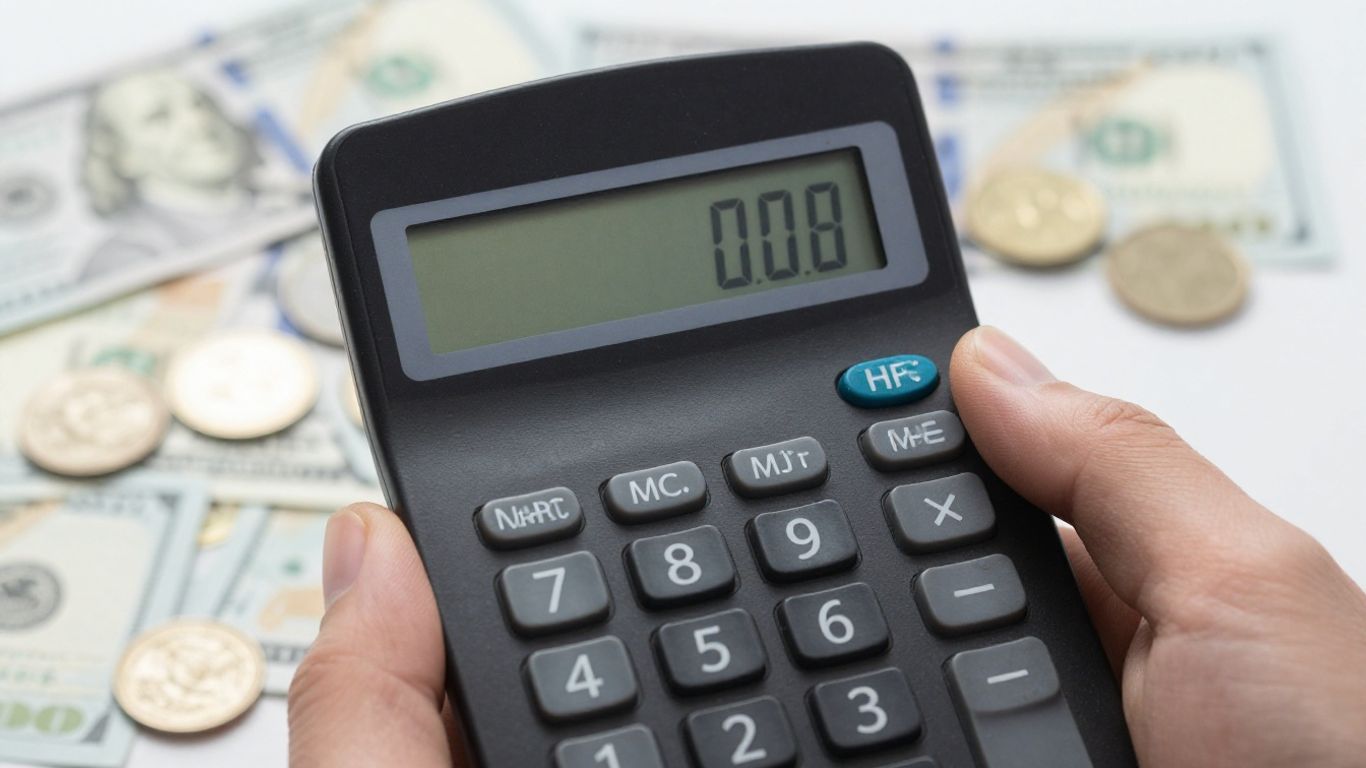
Figuring out your payments on a variable rate loan might seem a bit tricky because, well, the rate changes. Unlike a fixed-rate loan where your payment stays the same from start to finish, a variable rate loan’s payment can go up or down. But don’t worry, it’s not rocket science. We just need to break down a few key pieces.
Determining the Principal Amount
First things first, you need to know the total amount you borrowed. This is your principal. It’s the starting point for all your calculations. Whether it’s for a mortgage, a car loan, or a personal loan, the principal is the base number that interest gets applied to. You’ll find this clearly stated in your loan agreement.
Identifying the Initial Interest Rate
Next up is the interest rate. For a variable rate loan, this isn’t just one number. It’s usually made up of two parts: a benchmark index and a spread (or margin). The benchmark index is a commonly used rate, like the prime rate or a Treasury index, that moves with the market. The spread is a fixed percentage that the lender adds to the index. So, if the prime rate is 3% and the lender’s spread is 2%, your initial interest rate is 5%. This initial rate is what your first payment will be based on.
Understanding Rate Adjustment Frequency
How often does that interest rate actually change? This is super important. Loan agreements will specify the adjustment period – it could be monthly, quarterly, semi-annually, or annually. This tells you how often your payment might be recalculated. For example, if your loan adjusts annually, your payment will stay the same for a full year before potentially changing based on the new index rate.
Here’s a quick look at common adjustment frequencies:
- Monthly: Your rate and payment could change every month.
- Quarterly: Adjustments happen every three months.
- Semi-Annually: Changes occur twice a year.
- Annually: Your rate and payment are reviewed and potentially adjusted once a year.
When the rate adjusts, the lender will typically recalculate your payment based on the remaining loan balance and the new interest rate. Sometimes, the payment amount changes, and other times, the loan term might be extended or shortened to keep the payment the same. It’s good to know which way your specific loan works.
Keep in mind that while the interest rate can change, your loan agreement might also include caps and floors. A cap limits how much the rate can increase at each adjustment period or over the life of the loan, while a floor sets the minimum rate. These are built-in protections against extreme rate swings.
Benefits of Variable Rate Loans

Variable rate loans can be a smart choice in certain situations, offering some distinct advantages over their fixed-rate counterparts. It’s not always about the lowest initial payment; it’s about how the loan’s structure can work for you over time.
Potential Savings in Falling Rate Environments
One of the most attractive aspects of a variable rate loan is its potential to save you money when interest rates in the broader economy start to drop. Because the rate on your loan is tied to a benchmark index, if that index goes down, your interest rate usually follows. This means your monthly payments could decrease, leading to significant savings over the life of the loan. This is particularly appealing if you anticipate that interest rates will be stable or decline during the period you have the loan.
Flexibility for Early Repayment
Many variable rate loans come with fewer penalties or restrictions if you decide to pay off your loan early. This flexibility is a big plus if your financial situation improves, or if you find a better refinancing option. You can pay down the principal faster without incurring hefty fees, which can further reduce the total interest you pay. It’s a good option if you like having the ability to pay off debt ahead of schedule.
Suitability for Short-Term Borrowing Needs
If you know you’ll only need the loan for a limited time, a variable rate loan might be a good fit. For instance, if you plan to sell a house soon after buying it or are involved in a short-term business venture, the lower initial rates often associated with variable loans can mean lower costs during your borrowing period. This strategy works best if you can repay the loan before any substantial rate increases occur.
It’s important to remember that while variable rates can offer initial cost advantages, their fluctuating nature means you need to be prepared for potential payment changes. Planning for different interest rate scenarios is key to managing these loans effectively.
Risks and Considerations for Variable Rate Loans
Variable rate loans may seem attractive at first, usually because they start off with a lower interest rate compared to fixed-rate loans. But, before you sign up for one, it’s worth thinking through the risks—especially since these loans can surprise you down the road. Here’s a look at some of the key issues borrowers face:
Uncertainty in Financial Planning
If you like to have a clear budget, variable rate loans can make it tricky. Your monthly payment might go up or down based on changes in interest rates, which aren’t always easy to predict. This unpredictability can be stressful, especially for people who have a tight budget or rely on stable expenses to manage their finances.
- Payments can change multiple times over the loan’s life
- Harder to forecast total loan costs
- Challenging for those with fixed or limited income
Sometimes, even small interest rate increases can create budget headaches, forcing people to re-arrange their other financial obligations just to keep up.
Potential for Higher Long-Term Costs
Sure, variable rate loans start off with lower rates, but that might not last. Over time, interest rates can rise—sometimes significantly—and this means you could end up paying a lot more in interest than if you’d chosen a fixed-rate loan.
| Loan Type | Starting Interest Rate | Potential End Interest Rate | Total Interest Paid (Estimate) |
|---|---|---|---|
| Fixed-Rate | 6.00% | 6.00% | $15,000 |
| Variable-Rate | 4.5% (Year 1) | 8.0% (Year 5+) | $18,500 |
This simple example shows how a loan that starts low can end up costing more if rates go up.
Impact of Economic Conditions on Rates
Variable rate loans are influenced by bigger economic trends. If overall interest rates in the economy rise, your loan’s rate usually goes up too. On the other hand, rates might fall and save you money, but there’s no guarantee.
Here are a few economic factors that can impact your loan’s interest rate:
- Central bank policies (like rate hikes)
- Inflation trends
- Overall economic growth or slowdown
If the economic outlook points toward rising rates, you could find yourself dealing with escalating loan costs for years to come.
There’s never a guarantee that you’ll be able to switch to a fixed rate or refinance if rates become unaffordable later on, so it’s smart to consider what you’d do if your payments jumped by a few hundred dollars per month.
In Summary
While variable rate loans can work for people who need short-term flexibility or anticipate paying off their debt early, they come with a risk: your costs and monthly payments can change, sometimes dramatically, because of factors outside your control. Anyone considering these loans should feel comfortable managing uncertainty and should make a clear plan for what happens if rates rise unexpectedly.
Wrapping Up Variable Rate Loans
So, we’ve looked at how variable rate loans work. They can be a good choice if interest rates are expected to drop, or if you plan to pay off the loan fairly quickly. But remember, rates can also go up, meaning your payments could get bigger. It’s really about weighing the potential savings against the risk of higher costs down the line. Always check the loan terms carefully, understand how the rate changes, and make sure you can handle payments if they increase. Thinking through these points will help you decide if a variable rate loan fits your financial situation.
Frequently Asked Questions
What exactly is a variable interest rate loan?
A variable interest rate loan is a type of loan where the interest rate can change over time. It’s not fixed! The rate usually goes up or down based on something called a benchmark index, like the prime rate. This means your monthly payment might change too.
How is a variable rate loan different from a fixed rate loan?
With a fixed rate loan, your interest rate stays the same for the entire time you have the loan. It’s predictable. A variable rate loan, however, can change. If the benchmark rate goes up, your interest rate and payment might go up too. If it goes down, your payment could get smaller.
What are some common examples of variable rate loans?
You can find variable rates on many types of loans. Some common ones include Adjustable-Rate Mortgages (ARMs) for homes, Home Equity Lines of Credit (HELOCs), most credit cards, and some private student loans. Business loans can also have variable rates.
What makes the interest rate on a variable loan change?
The interest rate on a variable loan is usually tied to a specific benchmark index, like the prime rate or the federal funds rate. When this benchmark rate goes up or down due to economic conditions, the interest rate on your loan follows it. Your loan agreement will say which benchmark it uses.
Are there any limits on how much a variable rate can change?
Yes, many variable rate loans have limits called ‘caps’ and ‘floors’. A cap puts a maximum limit on how high the interest rate can go, either at each adjustment or over the life of the loan. A floor sets a minimum rate, so it won’t go below a certain point. These help protect you from huge payment changes.
When might a variable rate loan be a good choice?
A variable rate loan can be a good option if you think interest rates might go down in the future, which could save you money on payments. They can also be good for short-term borrowing needs, as they sometimes start with lower rates than fixed loans. Plus, they often have fewer penalties if you want to pay the loan off early.

Peyman Khosravani is a global blockchain and digital transformation expert with a passion for marketing, futuristic ideas, analytics insights, startup businesses, and effective communications. He has extensive experience in blockchain and DeFi projects and is committed to using technology to bring justice and fairness to society and promote freedom. Peyman has worked with international organizations to improve digital transformation strategies and data-gathering strategies that help identify customer touchpoints and sources of data that tell the story of what is happening. With his expertise in blockchain, digital transformation, marketing, analytics insights, startup businesses, and effective communications, Peyman is dedicated to helping businesses succeed in the digital age. He believes that technology can be used as a tool for positive change in the world.