

Honestly, the whole idea of having one static career for life is pretty much dead and buried at this point. I think most of us are starting to feel that low-level anxiety in our gut every time a new “game-changing” app is announced. In the past, you’d learn a trade, get your degree, and basically just coast on those skills for thirty years. But today? Forget it. The speed of tech change has made that old model totally obsolete. For anyone who wants to stay even remotely relevant in the modern workforce, lifelong learning isn’t just a hobby or something you do for fun on a slow Sunday. It’s a survival requirement.
Think about it for a second. When was the last time you felt like you actually had a total handle on every single tool in your industry? It feels like the second you finally master one platform, some “disruptive” update or a completely new software drops and just resets the clock. It’s exhausting, I know. But that’s just the reality now. We’re all just trying to keep our heads above water in a sea of constant updates, and honestly, maybe that’s just part of the job now.
The Rapid Obsolescence of Skills
Skills that were considered cutting edge just five years ago are now becoming basic expectations, or they’re being replaced by automation entirely. I mean, this shift is happening in every single industry, from healthcare to finance. It doesn’t really matter what you do. When the tools of the trade change every few years, the ability to pick up new knowledge becomes way more valuable than the knowledge itself. Professionals who stop learning the second they get their diploma? They usually find themselves struggling to keep up with people ten years younger who grew up as digital natives.
And that’s the scary part, isn’t it? The “shelf life” of a skill is getting shorter and shorter every day. If you aren’t actively adding to your toolkit, you’re essentially depreciating. It’s like owning a high-end computer that you never update; eventually, it just won’t run the programs the world is using. You end up with all this expensive hardware but no way to actually connect to what’s happening right now. It’s a lonely place to be, professionally speaking.
Adapting to the AI Revolution
Artificial intelligence isn’t just a buzzword anymore; it’s a tool that’s actively reshaping how we work every day. Instead of just fearing replacement (which is a valid fear, by the way, I get it), successful professionals are learning how to actually collaborate with these systems. One way to stay ahead is to use advanced tech to speed up your own learning process. A lot of people are turning to smart flashcards powered by AI to master complex new subjects in half the time it used to take. By using tech to boost memory and retention, workers can pivot to new roles more effectively whenever the market shifts.
But here’s the thing: AI doesn’t have to be the enemy. If you can learn to use it as a co-pilot, you become a “super-powered” version of yourself. It’s about letting the machine handle the rote memorization and the boring data crunching so you can focus on the high-level strategy that actually moves the needle. Honestly, who wants to spend their life doing the stuff a machine can do in seconds anyway? I’d much rather spend my time thinking.
The Rise of the Multi-Hyphenate Career
We’re seeing a big move away from hyper-specialization toward a more versatile, multi-disciplinary approach. Companies are looking for people who can bridge the gaps between different departments. A marketer who understands data science or a designer who knows basic coding is going to be much more resilient in a volatile economy. Lifelong learning lets you build a diverse toolkit that makes you indispensable.
So, why limit yourself to one box? Being a “specialist” is great until that specialty isn’t needed anymore. Being a learner, though, means you can build a bridge to whatever comes next. It’s about becoming a “Swiss Army Knife” in a world that keeps changing the locks. I guess it’s about having the confidence to say, “I don’t know this yet, but I can figure it out.” That’s the real superpower in 2026.
Cognitive Flexibility and Mental Longevity
Beyond just the economic perks, continuous learning is vital for your cognitive health. Engaging with new and challenging material keeps your brain agile. This cognitive flexibility lets professionals solve problems more creatively and handle the stress of workplace changes with a bit more grace. When you make learning a habit, you get more comfortable with that “uncomfortable” phase of being a beginner.
And honestly, that “beginner” phase is where the actual growth happens. It’s that slight sting of not knowing something, that little bit of frustration, that keeps your mind sharp. If you’re the smartest person in the room, you’re probably in the wrong room. Staying curious keeps you young, professionally speaking. It keeps the “hum” in your career and keeps you from feeling like a relic.
Building a Personal Knowledge Base
In a world where info is everywhere, the ability to organize and synthesize what you learn is a huge competitive advantage. Lifelong learners don’t just consume content; they actually manage it. By building a personal knowledge base, you make sure the insights you gain today are still available to you years down the road. This accumulated wisdom becomes your most valuable asset.
It’s about building a “second brain” so your first one doesn’t have to do all the heavy lifting. When you have a system that tracks your learning, you aren’t just starting from scratch every time a new project lands on your desk. You’re building on a foundation that you’ve been pouring for years. It’s the difference between starting a fire with a single match or having a furnace that’s already roaring. It gives you a sense of permanence in a world that feels very temporary.
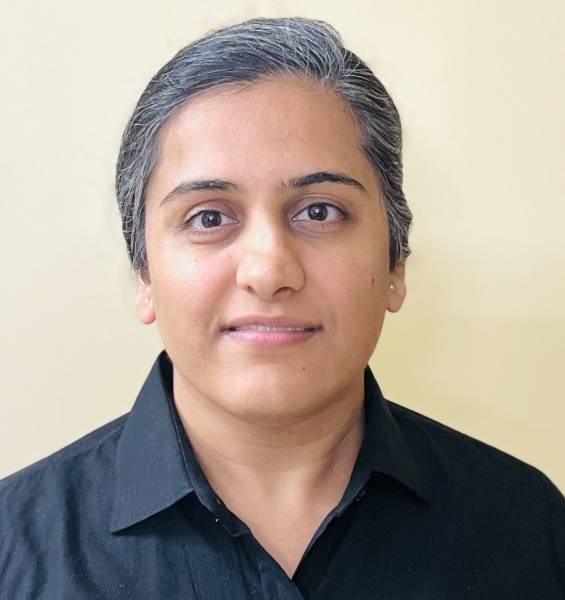
Pallavi Singal is the Vice President of Content at ztudium, where she leads innovative content strategies and oversees the development of high-impact editorial initiatives. With a strong background in digital media and a passion for storytelling, Pallavi plays a pivotal role in scaling the content operations for ztudium’s platforms, including Businessabc, Citiesabc, and IntelligentHQ, Wisdomia.ai, MStores, and many others. Her expertise spans content creation, SEO, and digital marketing, driving engagement and growth across multiple channels. Pallavi’s work is characterised by a keen insight into emerging trends in business, technologies like AI, blockchain, metaverse and others, and society, making her a trusted voice in the industry.