Workspace design has evolved far beyond basic desks, chairs, and conference rooms. Today, the environments where businesses operate play a meaningful role in productivity, employee satisfaction, and even how a company is perceived by investors and stakeholders. A thoughtfully designed workspace reflects an organization’s culture, operational priorities, and long-term vision.
For investors and fund managers evaluating companies—especially startups and growth-stage firms—the physical workplace can subtly signal whether a business prioritizes innovation, efficiency, and employee well-being. From layout and lighting to greenery and spatial flow, design choices can influence how teams perform and how confidently outsiders view a company’s potential.
The Link Between Workspace Design and Productivity
Productivity is shaped by more than talent and strategy. The physical environment where work happens can either support or hinder performance. Poorly designed offices with harsh lighting, limited collaboration areas, or cramped layouts often lead to distractions and reduced focus.
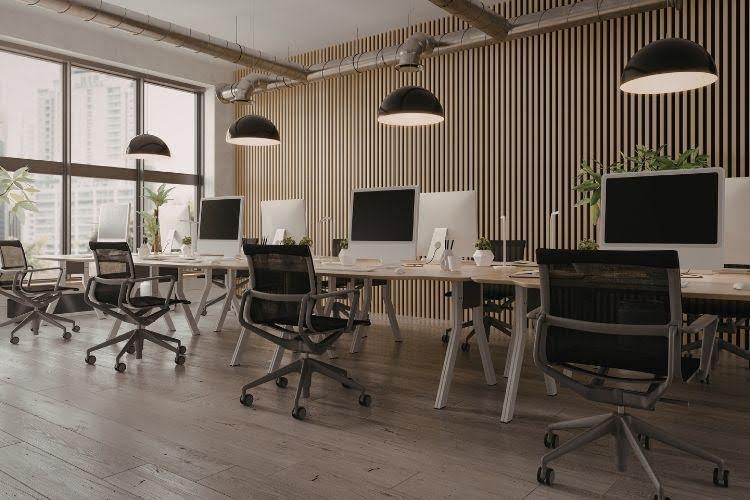
Conversely, well-designed workspaces support different working styles. Quiet zones encourage deep concentration, while collaborative areas foster brainstorming and creative exchange. Employees who feel comfortable in their environment are more likely to stay engaged, communicate effectively, and produce higher-quality work.
Research in workplace psychology consistently shows that environmental factors—such as lighting, temperature, acoustics, and visual appeal—affect cognitive performance and morale. Organizations that intentionally design their spaces with these factors in mind often experience improved employee satisfaction and reduced turnover.
For investors reviewing a company’s operations, these factors matter. A productive workforce typically leads to stronger performance metrics, better execution, and ultimately greater confidence in the company’s growth trajectory.
First Impressions Matter to Investors and Clients
When investors visit a company’s headquarters or office, they are not only evaluating financial reports or strategic plans. The workspace itself becomes part of the narrative about how the organization operates.
An office that appears disorganized, outdated, or poorly maintained can unintentionally suggest a lack of attention to detail. On the other hand, a clean, thoughtfully designed environment communicates professionalism, stability, and care for both employees and visitors.
This is particularly important for startups seeking funding or firms managing client relationships. The physical workspace often serves as a backdrop for meetings, presentations, and negotiations. A well-curated environment can help reinforce a company’s credibility and forward-thinking mindset.
While investors ultimately rely on financial performance and strategic positioning, subtle environmental cues contribute to the overall perception of a business. Workspace design, therefore, becomes part of the broader brand story.
The Rise of Flexible and Collaborative Layouts
Over the past decade, companies have increasingly shifted toward flexible office designs. Traditional cubicle-heavy environments are being replaced with layouts that balance collaboration and individual work.
Open collaboration zones encourage teams to exchange ideas quickly, while modular furniture allows spaces to adapt to changing needs. Meeting rooms equipped with modern technology make it easier for teams to connect with remote colleagues or global partners.
This adaptability signals agility—an attribute investors often value in fast-moving industries. Companies that create flexible workspaces demonstrate their ability to evolve alongside shifting workforce expectations and technological advancements.
However, balance is essential. Excessively open offices can sometimes increase noise and reduce concentration. Thoughtful design ensures that employees have access to both collaborative environments and quiet areas for focused work.
Biophilic Design and Employee Well-Being
One of the most influential trends in modern office design is biophilic design—the integration of natural elements into indoor environments. This approach reflects a growing understanding that humans benefit psychologically and physically from connections to nature.
Introducing greenery, natural materials, and organic textures into the workplace can reduce stress and increase overall well-being. Plants, in particular, have been shown to improve mood, enhance creativity, and even contribute to better air quality.
Many companies incorporate greenery through interior landscaping, living walls, or decorative plant arrangements. Even simple additions such as planters from Jamali Garden can help create visually calming spaces that support employee wellness without overwhelming the overall office aesthetic.
While greenery alone cannot transform a company’s culture, it contributes to a workplace atmosphere that feels more balanced and inviting.
Lighting and Environmental Comfort
Lighting is another critical yet often overlooked aspect of workspace design. Poor lighting conditions can cause eye strain, fatigue, and reduced concentration, particularly for employees who spend long hours working on screens.
Natural light is widely recognized as the most beneficial option for workplace environments. Offices with large windows and open layouts allow sunlight to reach deeper into the space, helping employees maintain healthier circadian rhythms and improved alertness throughout the day.
When natural light is limited, layered lighting strategies can help replicate its benefits. Adjustable task lighting, indirect overhead lights, and warm color temperatures can create a more comfortable environment for focused work.
Environmental comfort also includes temperature control, air circulation, and acoustics. Companies that prioritize these elements demonstrate an understanding that productivity depends not only on processes and technology but also on physical comfort.
Workspace Design as a Reflection of Company Culture
Office design often mirrors an organization’s values and culture. A minimalist, efficient layout might emphasize operational discipline, while vibrant collaborative spaces may highlight creativity and innovation.
For investors and fund managers, these design choices can provide insight into how a company approaches its internal operations. An environment that encourages transparency and teamwork may reflect a collaborative leadership style. Meanwhile, spaces designed for quiet focus could suggest a culture centered around analytical work or research.
Design also plays a role in talent attraction and retention. Highly skilled professionals increasingly expect workplaces that support well-being, creativity, and flexibility. Companies that invest in thoughtful environments may find it easier to recruit and retain top talent—another factor investors often consider when evaluating long-term growth potential.
Balancing Aesthetics With Functionality
While aesthetics are important, effective workspace design must prioritize functionality. Beautiful offices that fail to meet practical needs can quickly become inefficient.
Successful designs strike a balance between visual appeal and operational practicality. Furniture must support ergonomic comfort, meeting rooms should accommodate both in-person and virtual collaboration, and layouts must facilitate smooth movement throughout the space.
Strategic design decisions—such as incorporating greenery, natural materials, and flexible furniture—can enhance both appearance and usability. Even small elements, like thoughtfully placed decorative planters or well-designed communal areas, can subtly elevate the overall environment.
Ultimately, the goal is to create a space where employees feel motivated to perform at their best while visitors, clients, and investors gain confidence in the organization’s professionalism.
The Strategic Value of Thoughtful Workspaces
In today’s competitive business landscape, workspace design has become more than a cosmetic consideration. It is an operational asset that influences productivity, employee satisfaction, and the perception of a company’s leadership and vision.
For businesses seeking investment or managing client relationships, the physical workspace helps communicate organizational priorities. A carefully designed environment signals attention to detail, long-term thinking, and respect for the people who contribute to the company’s success.
Investors evaluating potential opportunities increasingly recognize that strong companies invest not only in technology and strategy but also in the environments where their teams work every day.
Thoughtful workspace design, therefore, is not just about aesthetics—it is about creating conditions that support performance, collaboration, and confidence in a company’s future.

Pallavi Singal is the Vice President of Content at ztudium, where she leads innovative content strategies and oversees the development of high-impact editorial initiatives. With a strong background in digital media and a passion for storytelling, Pallavi plays a pivotal role in scaling the content operations for ztudium’s platforms, including Businessabc, Citiesabc, and IntelligentHQ, Wisdomia.ai, MStores, and many others. Her expertise spans content creation, SEO, and digital marketing, driving engagement and growth across multiple channels. Pallavi’s work is characterised by a keen insight into emerging trends in business, technologies like AI, blockchain, metaverse and others, and society, making her a trusted voice in the industry.