Innovation rarely happens in sterile, uninspiring environments. The physical spaces where people work influence how they think, collaborate, and solve problems. Forward-thinking companies understand that creativity doesn’t appear on demand. Instead, it grows in environments designed to encourage curiosity, experimentation, and new perspectives.
This understanding has led many successful organizations to rethink the traditional office. Instead of rows of identical desks and neutral walls, modern workplaces often feature inspiring design elements, artistic visuals, and flexible layouts. These changes are not purely aesthetic. They support deeper thinking, stronger collaboration, and a culture where ideas can flourish.
For leaders and entrepreneurs, the question is no longer whether workspace design matters. The real question is how to create an environment that actively supports innovation.
The Link Between Environment and Creative Thinking
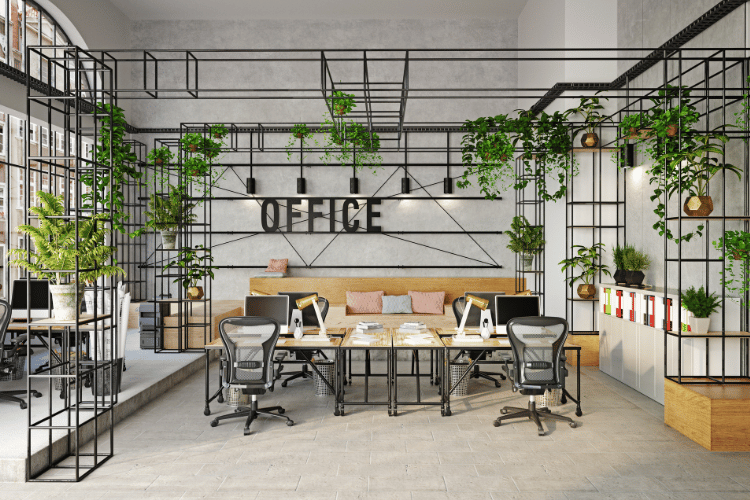
Creative thinking is strongly connected to the surroundings in which people work. Environments influence mood, focus, and mental flexibility. When a workspace feels rigid or uninspiring, employees often approach their work with the same mindset.
By contrast, visually engaging and thoughtfully designed spaces stimulate curiosity and imagination. Subtle elements like lighting, color, artwork, and spatial layout can shift how people approach problems.
Innovative companies often focus on creating spaces that encourage:
- Open dialogue and collaboration
- Moments of quiet reflection
- Exposure to new ideas and perspectives
- A sense of energy and possibility
When employees feel mentally stimulated by their surroundings, they are more likely to experiment, challenge assumptions, and generate fresh ideas.
Why Leading Companies Rethink Traditional Offices
Traditional office design prioritized efficiency and supervision. Employees were placed in predictable layouts that made management easier but rarely supported creativity.
Today’s most forward-thinking organizations design offices around how people actually work. Creative work involves exploration, discussion, and occasional moments of solitude.
Modern workspaces often include:
- Collaborative areas where teams can brainstorm
- Comfortable lounges that support informal conversations
- Quiet zones for focused work
- Visual inspiration such as artwork, murals, or thematic decor
Companies that invest in these features are not simply decorating offices. They are shaping an environment that encourages experimentation and open thinking.
Even small details can change how a workplace feels. A single visual centerpiece, for example, can spark conversation, inspire imagination, or shift the mood of a room.
Visual Art as a Catalyst for Innovation
Creative environments rely heavily on visual stimulation. Art, design, and imaginative imagery introduce fresh perspectives into daily routines. When employees encounter visually interesting spaces, their minds naturally shift out of routine patterns.
This is one reason many companies integrate art into their workspaces. Visual storytelling encourages curiosity and discussion, both of which support idea generation.
Brands such as The GOAT Wall Art specialize in artwork that transforms walls into imaginative focal points. Offices that include bold visuals often feel more dynamic, which can energize the people working inside them.
For organizations looking to bring imaginative themes into their environments, exploring fantasy-inspired visuals can be particularly effective. Pieces that evoke storytelling or creativity can spark conversations and encourage employees to think beyond conventional boundaries. Teams interested in bringing this kind of inspiration into their workspace can shop here to discover artwork that adds character and imaginative energy to office interiors.
While artwork alone will not create innovation, it can play a meaningful role in shaping a workplace atmosphere that supports creative thinking.
Flexible Spaces Encourage Collaboration
Another hallmark of innovative companies is flexibility. Creative work rarely follows a predictable structure, and office environments should reflect that reality.
Rigid workspaces often limit spontaneous collaboration. Employees stay in assigned seats, interactions become formal, and opportunities for creative exchange diminish.
Flexible environments change this dynamic. They allow teams to move between different types of spaces depending on the work they are doing.
Effective creative workspaces typically include:
- Open collaboration zones for brainstorming sessions
- Small meeting areas for quick discussions
- Private focus rooms for deep work
- Comfortable shared spaces that encourage informal conversation
This variety allows employees to shift their environment as their work evolves. A team might begin a project in a collaborative area, refine ideas in a quieter space, and reconvene to finalize a concept.
When employees feel free to choose how and where they work, creativity becomes a natural part of the process rather than a forced exercise.
Workplace Design Shapes Company Culture
Workspace design also communicates a powerful message about company culture. Employees quickly notice whether an organization invests in environments that support creativity or settles for purely functional spaces.
Creative workspaces signal that new ideas are welcomed. They suggest that curiosity, exploration, and experimentation are part of the company’s identity.
This cultural signal can influence several important outcomes:
- Higher employee engagement
- Increased willingness to share ideas
- Stronger collaboration between teams
- Greater pride in the workplace environment
The visual identity of an office plays a role in shaping this culture. Carefully chosen design elements, including distinctive artwork, help create an environment that reflects the organization’s values.
Companies that want to inspire creative thinking often prioritize details that make their spaces memorable and energizing. The result is an atmosphere where people feel comfortable expressing ideas and exploring unconventional solutions.
Building a Creative Workspace Without a Massive Budget
Many leaders assume that creating a creative workspace requires large design budgets or complete office renovations. In reality, smaller changes can produce meaningful results.
Entrepreneurs and business leaders can begin by focusing on improvements that influence daily experience.
Consider starting with:
- Introducing visually engaging wall art or design elements
- Rearranging office layouts to encourage conversation
- Creating quiet areas for focused thinking
- Adding comfortable shared spaces for informal discussions
These changes may seem simple, but they can shift the entire mood of a workspace. When employees feel inspired by their surroundings, creativity becomes more natural.
Organizations do not need elaborate architecture to support innovation. They need thoughtful environments that encourage people to think, collaborate, and imagine new possibilities.
Conclusion
Innovation does not happen in isolation. It grows from environments that encourage curiosity, experimentation, and collaboration. The world’s most forward-thinking companies understand that workspace design plays a direct role in shaping how teams think and work together.
Creative workspaces do more than look appealing. They support brainstorming, encourage interaction, and introduce visual inspiration that keeps ideas flowing. Even small design choices can transform how employees experience their workday.
For business leaders and entrepreneurs, investing in a creative workspace is ultimately an investment in the quality of ideas their teams produce. When the environment supports imagination and exploration, innovation becomes far more likely to follow.

Peyman Khosravani is a global blockchain and digital transformation expert with a passion for marketing, futuristic ideas, analytics insights, startup businesses, and effective communications. He has extensive experience in blockchain and DeFi projects and is committed to using technology to bring justice and fairness to society and promote freedom. Peyman has worked with international organizations to improve digital transformation strategies and data-gathering strategies that help identify customer touchpoints and sources of data that tell the story of what is happening. With his expertise in blockchain, digital transformation, marketing, analytics insights, startup businesses, and effective communications, Peyman is dedicated to helping businesses succeed in the digital age. He believes that technology can be used as a tool for positive change in the world.