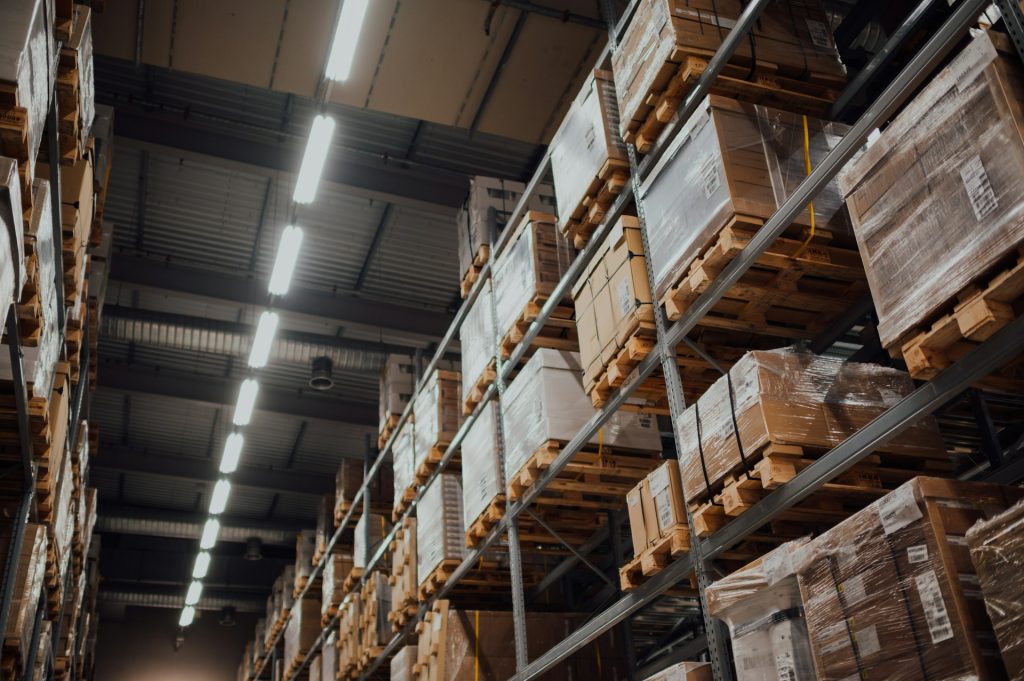
Warehouse compliance isn’t something you “set and forget”.
Facility operators have never faced more pressure from regulators. OSHA is cracking down, fines are skyrocketing, and the time to get compliant is running out. Whether you’re managing a facility daily…
OR
Treating it as an asset class…
…This is the time to take notice.
Here’s what’s covered:
- Why Warehouse Regulation is Tightening
- What OSHA’s National Emphasis Program Means For Operators
- How Vertical Material Lift Systems Factor In
- What Investors Need To Know Right Now
- How To Protect Your Facility Before They Come Knocking
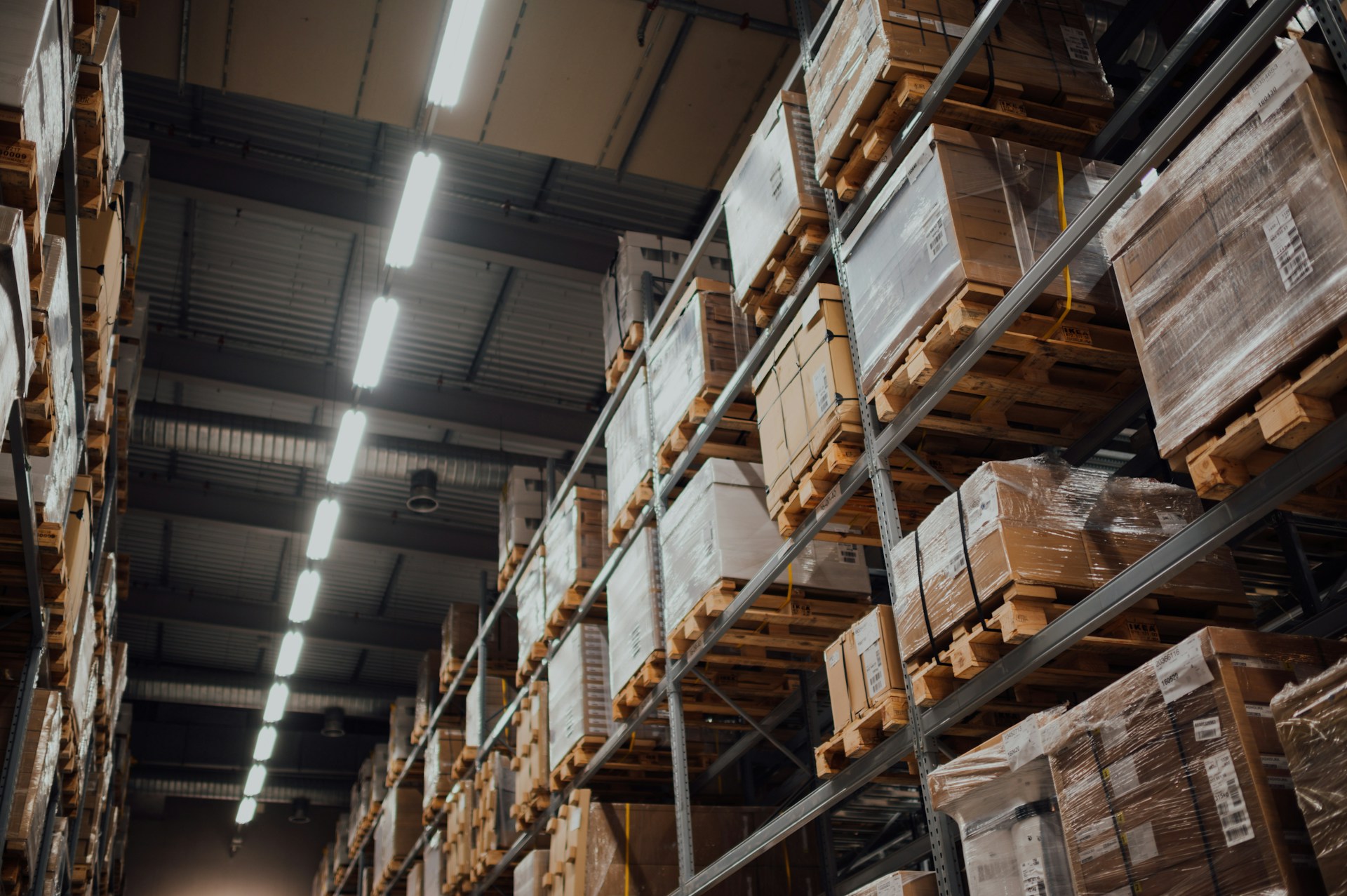
Why Warehouse Regulation is Tightening
Here are the facts.
The warehousing and transportation industry recorded 232,000 reported injuries in just one year. That equates to an injury rate of 4.5 incidents per 100 full-time workers. By any measure, that is significantly worse than average.
You can bet regulatory agencies have taken notice.
For years OSHA has traditionally responded to accidents after they happen. Now, OSHA is being proactive with their enforcement. They are targeting high-risk facilities for inspections before accidents occur. Translation: Smaller operators should expect stricter enforcement, more citations, and larger fines.
The stakes couldn’t be higher. Employers pay over $84 million per week due to non-fatal injuries in warehousing. Extrapolate that out over an entire year and you are looking at injuries costing employers over $4 billion annually. Allow your facility to fall out of compliance and you can kiss your profit margin good-bye.
What OSHA’s National Emphasis Program Means For Operators
In July of 2024, OSHA announced a three-year National Emphasis Program (NEP) that will specifically target warehousing and distribution facilities. This isn’t a minor update to existing policy. This is an enforcement initiative.
Under the NEP, inspectors will be directed to look for violations related to:
- Material handling operations
- Powered industrial trucks
- Walking and working surfaces
- Means of egress
- Fire protection systems
Inspections conducted under the NEP have a clear objective. OSHA inspectors will arrive with a mandated checklist and material handling will be near the top of the list every time.
Why now? The increase of e-commerce has forced warehouses to move faster, stack higher, and process more product with less employees. As a result, injury rates have climbed at an equally rapid rate. The NEP is OSHA responding accordingly.
Operators who believe previous years of compliance will carry them will be extremely disappointed. The National Emphasis Program is scheduled to run through 2027. That is three years of heightened enforcement activity. If your facility is still relying on manual lift protocols and outdated material handling equipment you will find yourself in OSHA’s cross hairs.
How Vertical Material Lift Systems Factor In
Fortunately, there is a solution for forward-thinking operators.
Vertical material lift systems are quickly becoming one of the most efficient methods to correct violations that will be targeted under OSHA’s NEP. By eliminating manual lifting, open mezzanine edges, and forklift operations in congested areas (all of which are high-risk categories for safety violations) vertical lift systems move materials between levels in a fully enclosed and controlled environment.
Vertical material lift systems check many of the boxes for facility operators who want to ensure their infrastructure is built around warehouse regulatory compliance. For operators ready to explore compliant vertical lift solutions, it is worth visiting KABTechUSA.com — their systems are purpose-built with facility compliance in mind.
Why are vertical lift systems such a great compliance tool?
- They limit the amount of manual material handling. Lifting is the leading cause of musculoskeletal disorders in warehousing.
- Enclosures eliminate fall risks from open-edge mezzanine levels.
- Automated systems limit the need for forklift traffic in congested areas.
- They operate on predictable cycles making OSHA inspection and recordkeeping simpler.
Did you know falls from elevation are responsible for 20% of all warehouse fatalities? (Source: National Safety Council) By installing a vertical lift system you’re not just creating a safer environment for your employees. You are protecting your facility from compliance issues and potential insurance liability.
What Investors Should Know Right Now
If you are buying or selling any kind of warehouse or industrial real estate…knowing its compliance status should be part of your due diligence.
Operating facilities that cannot keep up with OSHA’s increasing standards are a liability just waiting to happen. If a tenant isn’t compliant with OSHA regulations they open the door to:
- Costly fines (upwards of $15k+ per serious violation under the 2025 OSHA Penalty Schedule)
- Shutdowns due to repeat violations
- Increased insurance premiums following an incident
- Turn away Tier 1 tenants who have their own compliance requirements
Now consider how much more those properties will be worth when they have compliant material handling processes and systems like vertical lift solutions in-place. Tenants will stay longer, they’ll pay more, and you’ll come out ahead when it’s time to sell.
This is not a concern for the speculative investor. Regulation is becoming a pricing factor in the warehouse market whether you realize it or not. Investors who don’t ask the right questions of operators:
- What material handling processes are currently being used?
- When was the last time OSHA was here and what did they find?
- Do any of the following NEP risk factors apply to this facility?
If you can’t get clear answers, you now know why.
How To Protect Your Facility Before They Come Knocking
Here’s the good news. This is completely manageable.
Things don’t have to come to that. Staying ahead of OSHA doesn’t mean you have to overhaul your entire facility. It does mean taking a proactive approach and making the right equipment choices in order of priority.
Audit your current material handling operations. Know where workers are manually lifting, carrying, or moving goods to/from elevated levels. These are your riskiest areas and where you should focus any compliance efforts.
Install solutions that solve more than one issue. Vertical lift systems can help you operate in compliance by eliminating falls, reducing manual lifting injuries, and giving you peace-of-mind through controlled load movement.
Keep good records. OSHA’s updated standards put a premium on proper recordkeeping. Ensure your inspection logs, operator training documentation, and equipment maintenance are up-to-date and ready to be reviewed at a moment’s notice.
Don’t wait for OSHA to come knocking. The NEP starts now and runs until 2027. By taking care of deficiencies now instead of later you avoid the operational headaches and profit loss associated with reactive decisions.
Final Thoughts
Warehouse regulation is tightening… and this is only scratching the surface.
Operating facilities need compliant processes and infrastructure installed yesterday. Commercial investors need to understand a facility’s compliance profile before they write a purchase agreement.
Vertical lift systems are just one piece of the compliance puzzle. They offer operators and investors an opportunity to future proof their facility against incoming regulation while increasing operational efficiency.
The facility owners who take action today will be thankful when OSHA shows up at their door.

Peyman Khosravani is a global blockchain and digital transformation expert with a passion for marketing, futuristic ideas, analytics insights, startup businesses, and effective communications. He has extensive experience in blockchain and DeFi projects and is committed to using technology to bring justice and fairness to society and promote freedom. Peyman has worked with international organizations to improve digital transformation strategies and data-gathering strategies that help identify customer touchpoints and sources of data that tell the story of what is happening. With his expertise in blockchain, digital transformation, marketing, analytics insights, startup businesses, and effective communications, Peyman is dedicated to helping businesses succeed in the digital age. He believes that technology can be used as a tool for positive change in the world.