Modern commercial buildings are moving away from traditional wood and brick. Project managers now look for materials that offer better longevity and lower upkeep costs.
These choices directly impact the long-term market price of a property. Building owners realize that cheap materials often lead to expensive repairs within just a few years. Investing in high-grade components is a strategy for wealth preservation.
Traditional materials like standard concrete and timber are susceptible to environmental decay. Modern alternatives are engineered to withstand extreme weather and heavy daily use.
This transition is not just about aesthetics. It is about creating a structural asset that maintains its value over many decades. Developers who prioritize quality early on often see much higher resale values.
Investing in Technical Infrastructure
Tech integration is a major driver for modern building value. One industry report found that 52% of leaders plan to increase investment in technology infrastructure over the next 3 years. This shift means buildings must have the physical bones to support massive data needs. Facilities are now being designed with modularity in mind.
Smart sensors and automated systems require specific hardware buried within the walls.
High-performance metals and composites are becoming standard to protect these sensitive components. Integrating commercial grade drain products helps manage water runoff in these high-tech facilities. This prevents moisture damage to expensive internal server rooms or electrical grids.
Effective water management is a baseline requirement for any modern technical hub.
Market Trends in Building Materials
Global demand for advanced building supplies is reaching record highs. Data suggests the global construction materials market size was valued at $1,422.30 billion in 2025.
This massive valuation reflects a move toward premium, high-durability options. Investors are shifting their capital toward projects that promise lower lifecycle costs.
Developers are no longer picking the cheapest materials available at the start. They are calculating the total cost of ownership over several decades. High-grade polymers and reinforced alloys are now preferred for their resistance to environmental wear. This shift in spending habits is stabilizing the construction market despite global economic shifts.
Supply Chain Resilience
Using advanced materials often helps mitigate supply chain risks. Many modern composites are manufactured using standardized chemical processes. This reduces reliance on specific natural resources that might be stuck in transit. Localized manufacturing of high-tech materials is also becoming more common.
Sustainable Composite Solutions
Fiberglass and carbon fiber are changing how we think about structural support. These materials are lighter than steel and do not rust when exposed to rain or chemicals. They allow for faster installation times, which can save on labor costs. Workers can move these components without needing massive cranes in every instance.
Using composites also helps with temperature regulation inside the building. These materials have different thermal properties from traditional concrete or iron.
This leads to lower energy bills and a smaller carbon footprint for the tenant. Modern businesses are willing to pay a premium for spaces that are cheap to heat and cool.
- Corrosion resistance for exterior facades.
- Reduced weight for rooftop installations.
- Increased lifespan for underground utility vaults.
- Higher fire resistance ratings for safety.
These benefits make a building more attractive to insurance companies. Lower risk profiles often lead to lower premiums for the building owner. Every dollar saved on insurance or energy goes straight to the bottom line. It makes the property a much more attractive investment for real estate trusts.
Advanced Surface Protections
Interior finishes are also seeing a massive upgrade in quality. Specialized coatings can now repel bacteria and resist deep scratches from heavy foot traffic. This is vital for hospitals and retail spaces where cleanliness is a priority. Modern clients expect a high level of hygiene in public areas.
These surfaces stay looking new for much longer than painted drywall or standard tile. Property owners find that they spend less on renovations between leases. High-quality finishes maintain a premium aesthetic that attracts higher-paying corporate tenants. A building that looks new after 10 years is a rarity that commands top dollar.
Aesthetic Longevity
Traditional paints fade and peel over time. Modern powder coatings and polymer panels are UV-resistant. They keep their color even in harsh sunlight. This reduces the need for frequent exterior repainting projects. It also ensures the building remains a landmark in its local neighborhood.
Structural Modular Systems
Many new buildings are being constructed using pre-fabricated modular units. These units are built in controlled factory settings using precision robotics. This eliminates the errors often found on traditional construction sites. Modular components are easily replaced or upgraded as technology evolves.
The flexibility of modular systems is a major selling point for commercial office space. A floor plan can be reconfigured in days instead of months. This allows landlords to cater to a wider variety of business types. It also minimizes the downtime between one tenant leaving and another moving in.
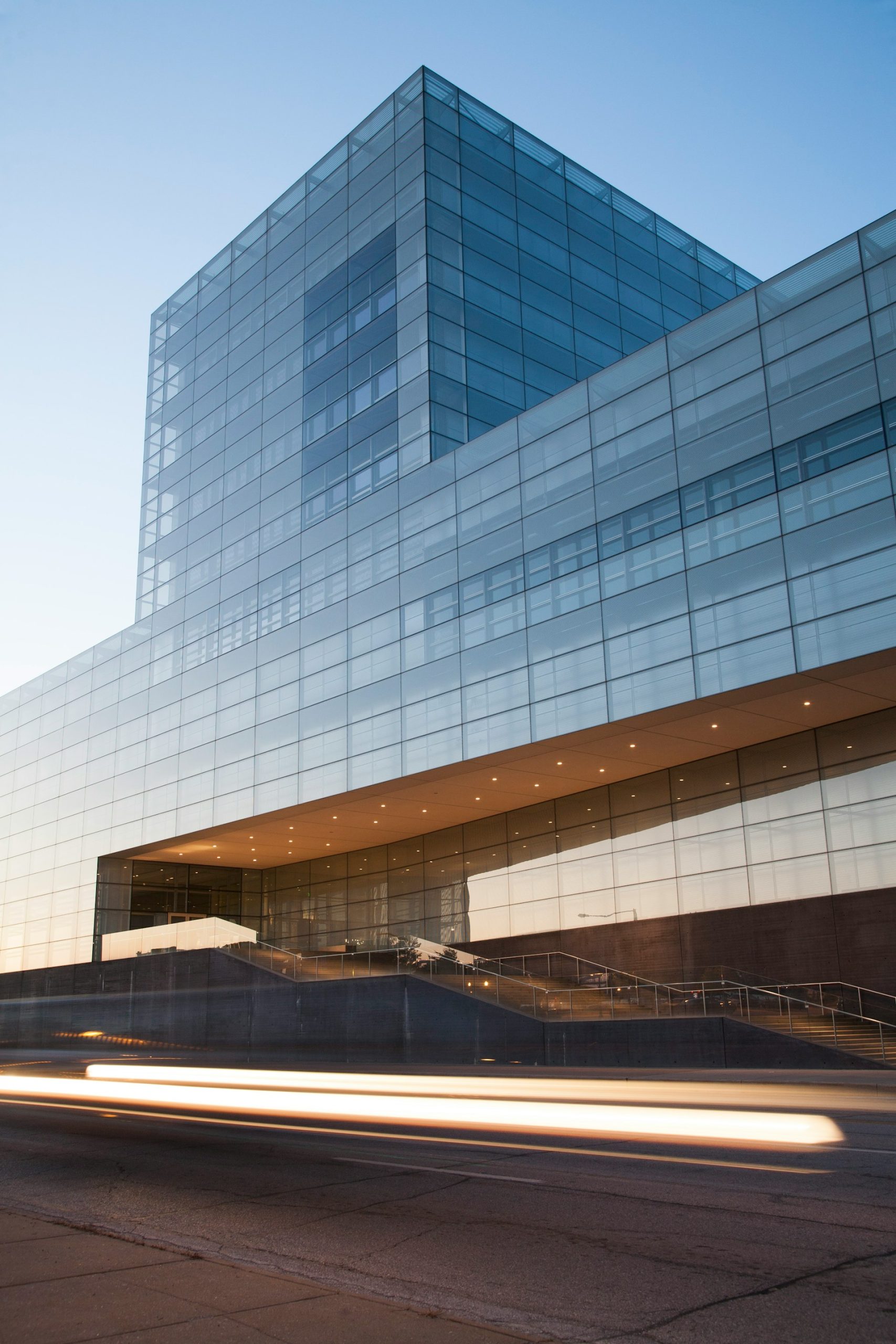
Selecting the right materials is a strategy for wealth preservation. When a building uses the best available components, it resists the typical decay of the real estate cycle. Modern infrastructure is about building something that lasts for the next century. The goal is to create assets that remain functional and valuable through any economic climate.

A dad of 3 kids and a keen writer covering a range of topics such as Internet marketing, SEO and more! When not writing, he’s found behind a drum kit.