

You probably know the feeling of being the person everyone hands the baby to at family gatherings. Or the one neighbors call when they need a last-minute sitter. It sounds small, but it lingers. After a while, you start to wonder whether that natural ease with children could be more than a side role.
Liking children is not rare. Building a steady career around that interest is more complex. It requires more than patience and a warm personality, and that is usually where the confusion begins.
Building Credentials Through Specialized Education
Liking kids is a starting point, but schools and childcare centers operate within systems that expect training, documentation, and accountability. Parents ask careful questions. Administrators follow state rules. Curriculum plans are reviewed. Reports are written. It is not just story time and art projects.
Many future educators need a path that allows them to study while still working or caring for family. Flexible formats have become more common, partly because adult learners now make up a large share of university students. Courses can be completed in the evenings. Observations and field hours are arranged locally. The structure matters because most people cannot afford to step away from income for four years. Programs designed with that reality in mind tend to attract career changers and working adults.
For those exploring this path, enrolling in an early childhood education degree online program can provide structured training in child development, classroom management, and curriculum design while allowing daily life to continue. The format is important, but so is the depth of study behind it.
Understanding What the Job Actually Involves
It helps to look closely at what early childhood educators do during an average week. The work is hands-on, but it is also planned and documented. Lessons are built around learning goals. Behavior is observed and recorded. Meetings are held with parents who want honest feedback about progress.
There is physical energy required. You are often on the floor, kneeling, lifting, organizing small chairs and smaller backpacks. There is emotional steadiness required, too. Children test limits. They have bad mornings. They cry for reasons that are not always clear. You cannot take it personally. At the same time, small gains are noticed. A child who could not hold a pencil in September may be writing their name by spring. That progress is slow and steady. It is rarely dramatic, but it is real.
Matching Your Personality with the Environment
Not everyone who enjoys children enjoys group settings. That distinction matters. A classroom can be loud and unpredictable. Even well-run spaces have noise and movement. Some people thrive in that rhythm. Others feel drained by it.
It is worth spending time in real classrooms before committing to formal study. Volunteer if possible. Observe without the filter of nostalgia. Notice how teachers manage transitions between activities. Watch how they respond when two children argue over the same toy. The work is repetitive at times. It can also be surprisingly administrative.
Self-awareness plays a role here. If structure calms you, then a classroom with clear routines may feel right. If constant noise overwhelms you, that signal should not be ignored. Passion is important, but it does not cancel out temperament.
Financial and Practical Considerations
Early childhood education is meaningful work, but it is not always highly paid, especially in the first few years. Salaries vary by region and by type of institution. Public schools often require state licensure. Private centers may have different standards.
It helps to research local requirements early. Some states require specific coursework in child psychology or supervised teaching hours. These rules can change, sometimes slowly, sometimes not. Staying informed prevents frustration later.
There is also the question of long-term growth. Some educators move into leadership roles. Others specialize in curriculum planning or early intervention services. A degree can open these doors, but only if it is paired with experience and continued learning.
The Emotional Side of Professional Care
Working with young children means being part of their early stories. That can feel heavy at times. You may see families under stress. You may support children who are struggling with speech or behavior. Professional boundaries must be maintained, even when emotions run high.
Training programs address these realities because they cannot be left to instinct. Ethics, safety standards, and reporting procedures are covered in coursework for a reason. They protect children and educators alike. At the same time, joy is part of the work. Laughter is constant. Curiosity is endless. It is a job where small details matter. The way you speak, the tone you use, the patience you show when tying shoes for the third time that morning. These things shape how children see learning.
Working With Parents Is Part of the Job
Most people picture circle time and finger painting, but a large part of the work happens during short talks with parents at the door. Some arrive rushed. Some are worried but do not say it directly. You are expected to explain a child’s day in plain language, even when it was messy or hard. That takes tact. It also takes patience on days when you are already tired. Comfort with adults matters almost as much as comfort with children.
Turning a natural affection for kids into a profession requires careful thought. It is not about chasing a feeling. It is about deciding whether the daily tasks, the paperwork, the regulations, and the modest starting pay align with your long-term plans.
The education you pursue should prepare you for real classrooms, not an ideal version of them. It should teach you how children grow, how behavior develops, and how families interact with schools. It should also help you understand yourself a little better. If you find that the structure, the pace, and the responsibility make sense to you, then formal training becomes a logical next step. The path is not glamorous. It is steady. It asks for patience and resilience. For some people, that steady rhythm is exactly what they have been looking for, even if they did not have words for it at first.
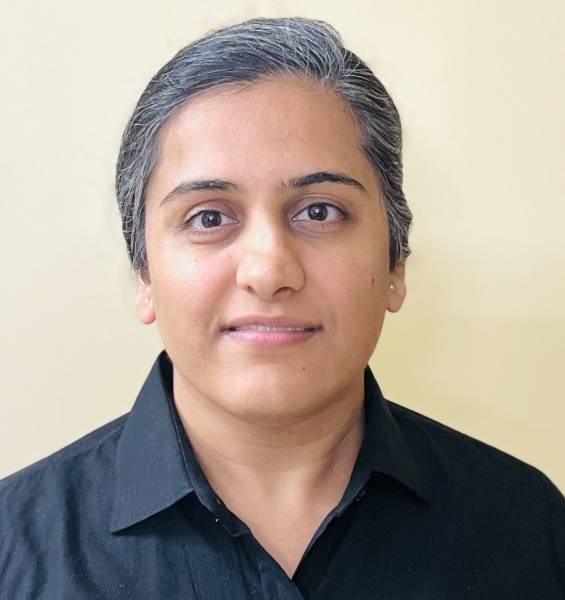
Pallavi Singal is the Vice President of Content at ztudium, where she leads innovative content strategies and oversees the development of high-impact editorial initiatives. With a strong background in digital media and a passion for storytelling, Pallavi plays a pivotal role in scaling the content operations for ztudium’s platforms, including Businessabc, Citiesabc, and IntelligentHQ, Wisdomia.ai, MStores, and many others. Her expertise spans content creation, SEO, and digital marketing, driving engagement and growth across multiple channels. Pallavi’s work is characterised by a keen insight into emerging trends in business, technologies like AI, blockchain, metaverse and others, and society, making her a trusted voice in the industry.