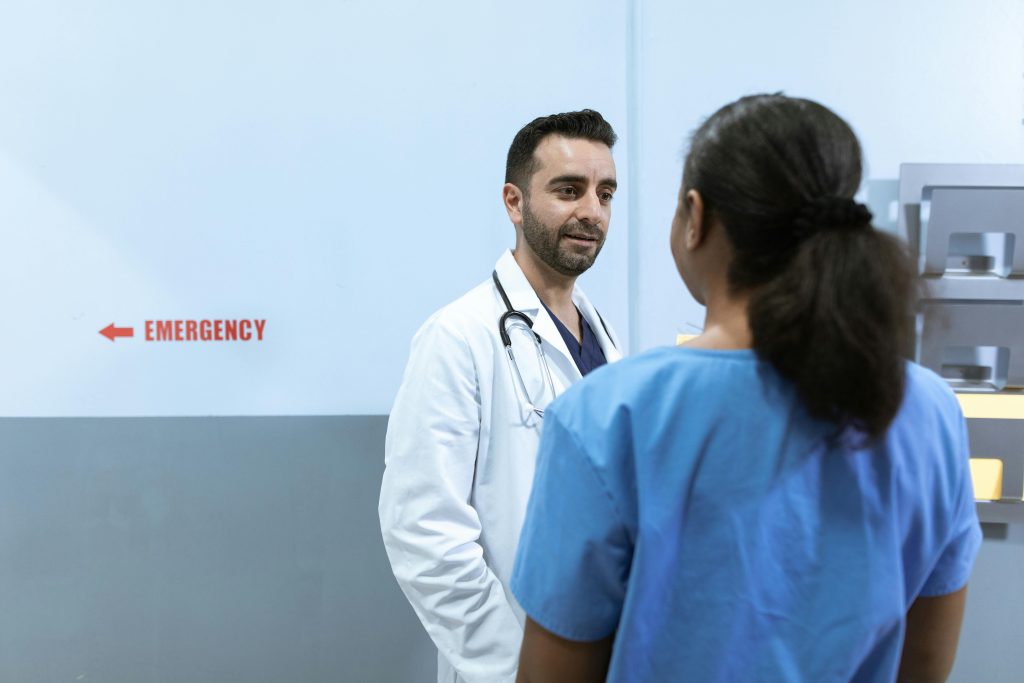
In an emergency, effective communication can be a matter of life and death. Imagine arriving at a hospital, overwhelmed and scared, only to find that no one understands your language. Language access in emergency medicine is crucial because it directly impacts the quality of care that patients receive. When medical professionals and patients speak different languages, it can lead to mistakes, misunderstandings, and delays in treatment.
You might not consider how language barriers affect medical care until faced with such a situation. Every second counts in an emergency, and the inability to communicate effectively can increase risks. With so many languages spoken worldwide, it’s essential that emergency departments have robust systems to ensure everyone gets the care they need promptly.
You deserve to feel confident that no matter where you’re from or what language you speak, your medical needs will be understood and addressed. Addressing language barriers doesn’t just improve outcomes; it respects every patient’s right to accessible, equitable healthcare.
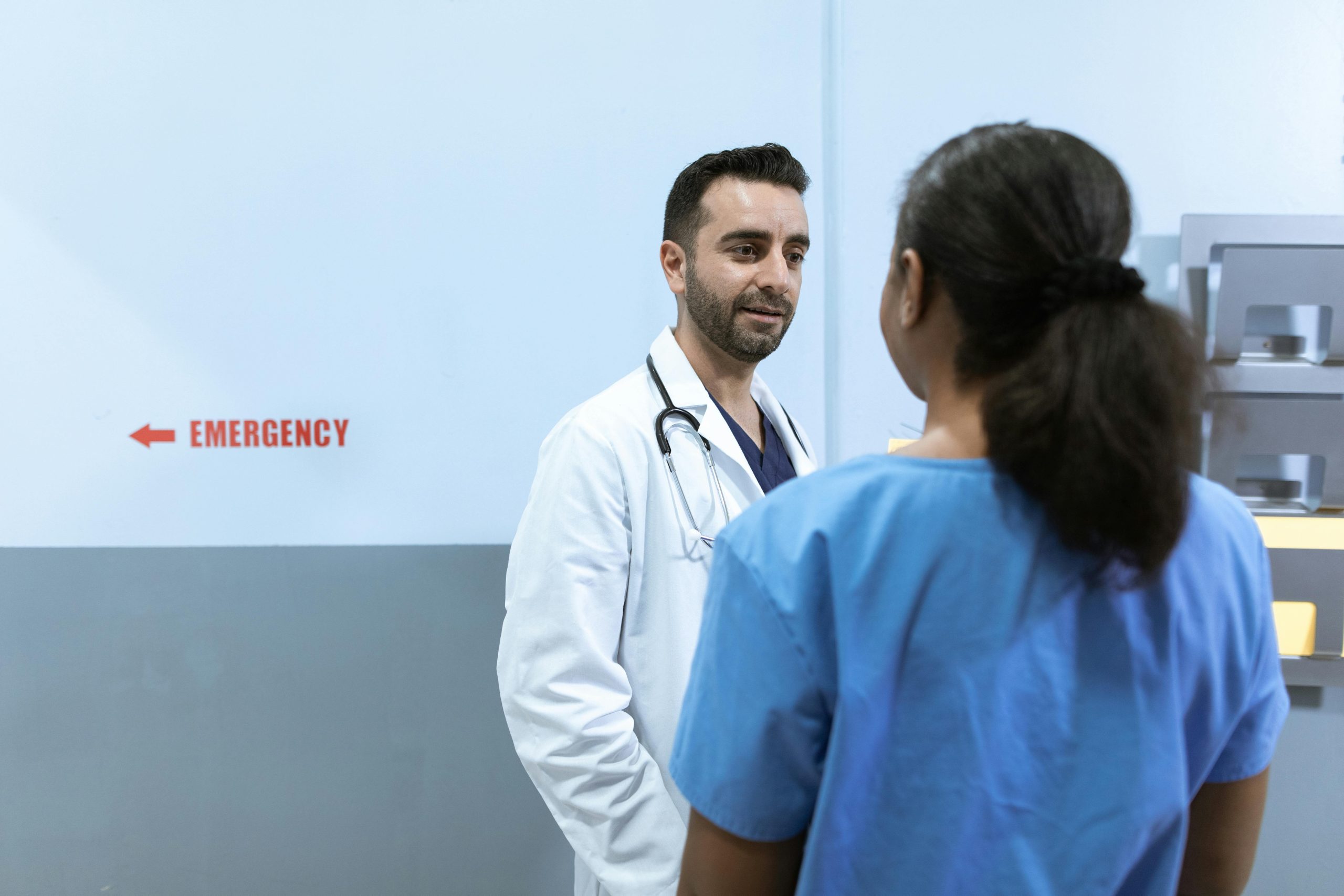
Why Language Access Matters in Emergency Medicine
In the high-stakes world of emergency medicine, clear communication is critical. When patients face language barriers, the consequences can be severe, impacting patient safety and care quality.
The Impact of Communication on Patient Safety
In emergencies, every second counts, and effective communication can be the difference between life and death. When language barriers disrupt communication, healthcare providers might not receive crucial information about symptoms or medical history.
Misunderstandings can lead to incorrect diagnoses or inappropriate treatments, compromising patient safety. Providing interpreters or translation technology ensures that critical information is accurately conveyed and that patients can understand their situation and treatment options, empowering them to participate in their care.
Consequences of Language Barriers in Urgent Care
Language barriers in urgent care settings can lead to delays, misdiagnoses, and even preventable harm. Patients might hesitate to seek emergency care if they fear they won’t be understood, potentially worsening their condition.
Inability to communicate effectively can result in repeated tests or procedures, increasing healthcare costs and frustrating both patients and providers. Strengthening language access can enhance care delivery by reducing errors and fostering better patient-provider relationships.
Real-Life Stories From the Emergency Room
Real-life experiences illustrate the profound effects of language barriers in medical emergencies. Consider a situation where a patient with limited English proficiency arrives with severe chest pain but struggles to explain symptoms clearly. Without appropriate language support, the medical team might misinterpret the urgency or nature of the condition.
Stories like these highlight the essential need for language services to ensure swift and accurate medical intervention. Experienced emergency room staff often prioritize language access, reflecting its critical role in delivering compassionate and effective care.
Key Strategies for Enhancing Language Access
Improving language access in emergency medicine involves implementing professional interpreters, staff training, and technology. These components are vital to ensuring effective communication and patient safety.
Utilizing Professional Medical Interpreters
Engaging professional medical interpreters and investing in Professional Medical Translation services ensures accurate communication between healthcare providers and patients with limited English proficiency. Professional interpreters possess the necessary language skills and medical terminology knowledge, reducing the risk of misunderstandings that might affect patient care.
Training and integrating interpreters into the healthcare team encourages collaboration where their insights on cultural nuances and patient preferences are valued. Consistent use of professional interpreters mitigates reliance on hastily found solutions, ensuring each patient receives the comprehensive and respectful care they need.
Training Emergency Medicine Staff in Language Services
Educating staff about the importance of language access fosters an inclusive environment supporting diverse patient populations. Training programs highlight the impact of language barriers on patient outcomes and stress the need for effective communication strategies tailored to each patient’s linguistic needs.
Staff should learn to identify language barriers swiftly and initiate quick access to interpreters, ensuring timely care. Role-playing exercises and simulations increase staff confidence in managing communication challenges, making language services a seamless part of patient care. Reinforcing cultural competency and sensitivity further ensures a respectful and supportive atmosphere, benefiting patients and providers alike.
If you’re preparing to start your career in medicine, understanding the importance of language access from day one will shape you into a safer, more compassionate provider.
Leveraging Technology for Multilingual Communication
Technological innovations offer promising tools to overcome language barriers in emergency settings. Language service apps, bilingual communication devices, and on-demand video interpretation services are increasingly available, providing flexibility and quick access in a fast-paced environment. These tools support doctors, nurses, and other staff in real-time, providing immediate assistance across various languages.
Investing in user-friendly technology ensures that both staff and patients feel comfortable using these tools. Staff training on technology tools appropriate for medical scenarios enhances their efficiency and effectiveness. By embracing these technological advances, healthcare facilities bolster their capacity to deliver high-quality care to all patients, regardless of language differences.
Challenges and Solutions in Bridging the Language Gap
Language barriers in emergency medicine can impact patient safety, care quality, and efficient communication. Addressing these gaps is crucial for providing effective medical services to all patients, regardless of their native language.
Addressing Cultural Nuances in High-Stress Situations
Understanding cultural nuances can greatly enhance communication in emergencies. You’re dealing with patients whose cultural beliefs may influence how they perceive illness and treatment. Health professionals must be culturally sensitive, which means recognizing these differences and adapting their approach accordingly.
Developing cultural competence training programs can help. Such initiatives allow healthcare providers to better connect with patients, which can significantly improve trust and cooperation. It’s also helpful to employ bilingual staff who can bridge both language and cultural gaps. This dual role not only aids in effective communication but also reduces stress for both parties involved, leading to better care outcomes.
Legal and Ethical Responsibilities
As a healthcare provider, you are legally and ethically bound to ensure effective communication with all patients. This requirement is more than just a professional obligation; it’s a moral one. Laws like the Americans with Disabilities Act and Title VI of the Civil Rights Act mandate that healthcare facilities provide language services.
You must be aware of these responsibilities to avoid compliance issues. This means having access to qualified interpreters or translation services at all times. It’s equally important to maintain patient confidentiality during these interactions, adhering to HIPAA regulations. By respecting these legalities and ethics, you’re contributing to a more just and equitable healthcare system for all patients.
Overcoming Resource Limitations
Resource limitations often stand in the way of bridging language gaps. Whether it’s budget constraints or a shortage of interpreters, these challenges are real. You may find it difficult to have a language specialist on hand for every emergency situation.
Innovative solutions can help mitigate these obstacles. Many hospitals are integrating remote interpretation services via phone or video to fill this gap. Embracing technology can optimize communication even when physical resources are scarce. By strategically utilizing these solutions, you’re ensuring that language barriers do not compromise the quality of care provided.
Building a More Inclusive Emergency Care Environment
Creating an inclusive emergency care environment involves implementing thoughtful policies and actively engaging the community. Doing so ensures that all patients receive equitable, quality care, regardless of their language or cultural background.
Policies to Promote Equity for All Patients
Implementing robust policies is crucial in addressing language barriers in emergency medicine. Start by prioritizing interpreter services. Ensuring interpreters are available on-site or via remote connections can significantly enhance communication with non-English speaking patients. Specialized training for staff on cultural competencies should also be integrated, helping them respond effectively and sensitively to diverse patient needs.
Focus on documentation standards that highlight language preferences and communication requirements. This aids in keeping track of crucial patient information, leading to more targeted and efficient care. Emphasizing the importance of multilingual signage and patient education materials around the facility helps reduce potential confusion and increases accessibility.
Community Engagement and Outreach
Building a more inclusive environment extends beyond the hospital walls. Through community engagement and outreach, you can serve and understand the diverse populations in your area better. Establish partnerships with local organizations that support minority and immigrant populations to foster trust and collaboration. Hosting regular health fairs and educational workshops in various languages shows your commitment to inclusivity and respect for cultural differences.
Encourage feedback from the community on how emergency services can be improved. Creating a feedback loop facilitates ongoing dialogue and helps you adapt services to meet community needs effectively. This engagement not only enriches patient relations but also strengthens community resilience and trust in healthcare systems.
Conclusion
In emergency medicine, communication is a lifeline. When language barriers stand between patients and providers, the consequences can be serious—delays, errors, and preventable harm. Prioritizing language access through interpreters, training, technology, and inclusive policies ensures safer, more equitable care for everyone.
Ultimately, clear communication isn’t just about understanding words—it’s about protecting lives and honoring every patient’s right to be heard.

Peyman Khosravani is a global blockchain and digital transformation expert with a passion for marketing, futuristic ideas, analytics insights, startup businesses, and effective communications. He has extensive experience in blockchain and DeFi projects and is committed to using technology to bring justice and fairness to society and promote freedom. Peyman has worked with international organizations to improve digital transformation strategies and data-gathering strategies that help identify customer touchpoints and sources of data that tell the story of what is happening. With his expertise in blockchain, digital transformation, marketing, analytics insights, startup businesses, and effective communications, Peyman is dedicated to helping businesses succeed in the digital age. He believes that technology can be used as a tool for positive change in the world.