
Cash handling challenges, frequent maintenance calls, and lost sales from customers who prefer card payments are ongoing problems in the vending industry. Meanwhile, customers expect fast, contactless payments in all places where purchases occur.

As a result, outdated machines are at risk of losing money just because payment options are inconvenient. Operators are also under the strain to track inventory, machine health, and transaction data without constant visits to the site.
However, modern cashless payment technology now makes vending smarter, faster, and easier to manage. When integrated correctly, machines transform into connected retail points that drive better customer experience and stronger profits.
This article discusses practical setup and integration tips for implementing cashless vending solutions effectively.
1. Understand How Cashless Systems Fit Your Vending Operations
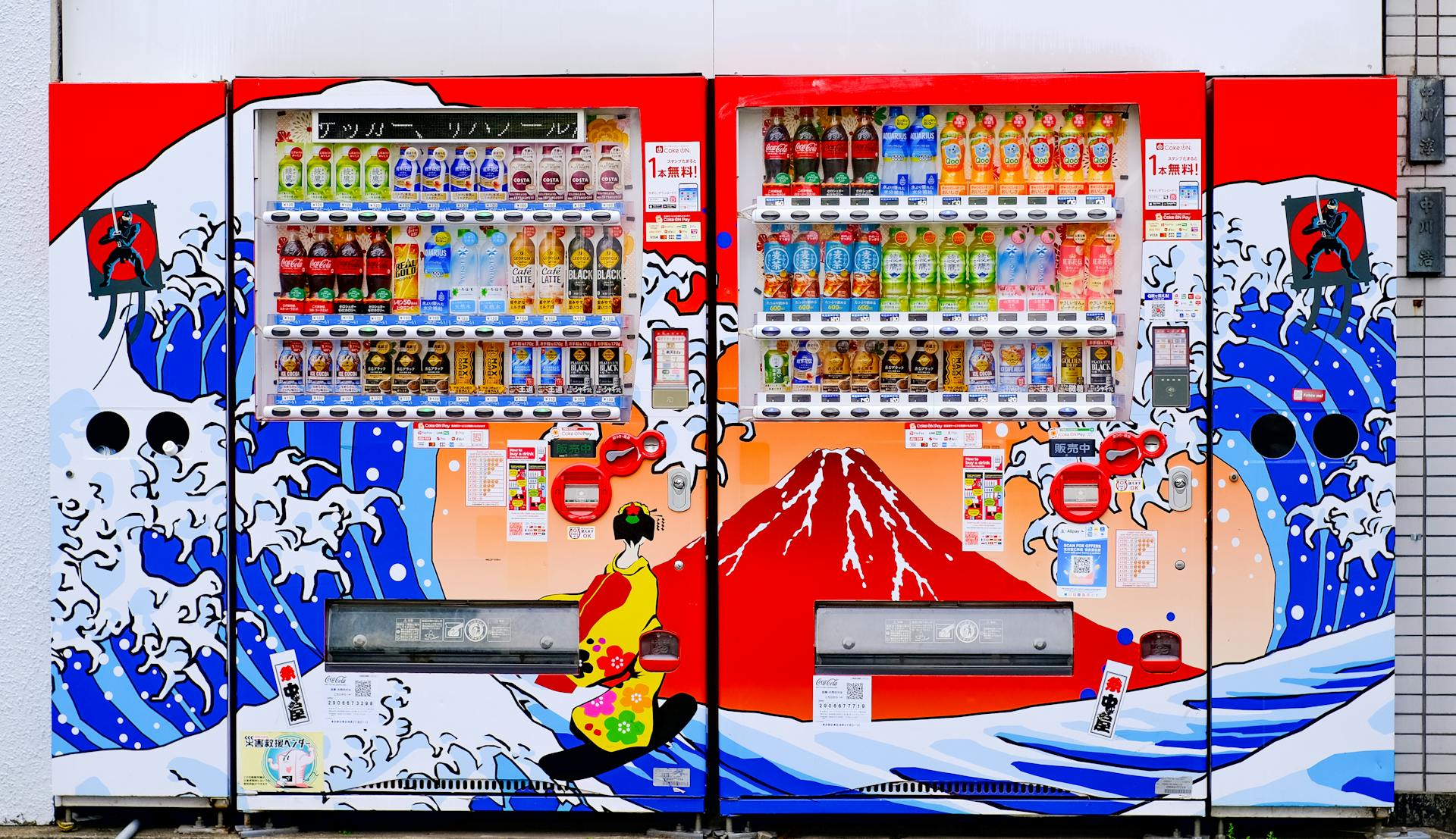
When it comes to understanding cashless payment systems for vending machines, the first step is knowing how technology fits into the daily process.
These systems are more than card readers; they are full of payment acceptance, connectivity, telemetry, and remote management tools. Moreover, integration enables machines to accept contactless cards, mobile wallets, and QR-based payments, which reduces the dependence on coins and bills. As a result, customer convenience is enhanced, and impulse purchases are increased, as payment friction is eliminated.
Additionally, modern solutions send data about a transaction to cloud dashboards, enabling operators to track the sales and performance in real-time. Therefore, before installation, evaluate how cashless integration will help boost revenue, machine uptime, and route efficiency across locations.
2. Choose Hardware Compatible with Existing Machines
Next, hardware compatibility is important for seamless integration. Not all vending machines allow plug-and-play upgrades, and hence checking machine models beforehand prevents any expensive changes or replacements.
In many cases, the modern payment modules are connected using MDB or other common vending interfaces. Therefore, choosing a system that is compatible with multiple types of machines makes fleet-wide upgrades easier.
Furthermore, consider hardware durability, outdoor performance, and network connectivity strength. Machines operated in malls, hospitals, transport hubs, or open spaces need robust devices that can handle stable transactions in varied conditions.
Consequently, the selection of flexible hardware lowers the complexity of the installation and assures similar payment performance in varying vending environments.
3. Ensure Reliable Connectivity and Remote Monitoring
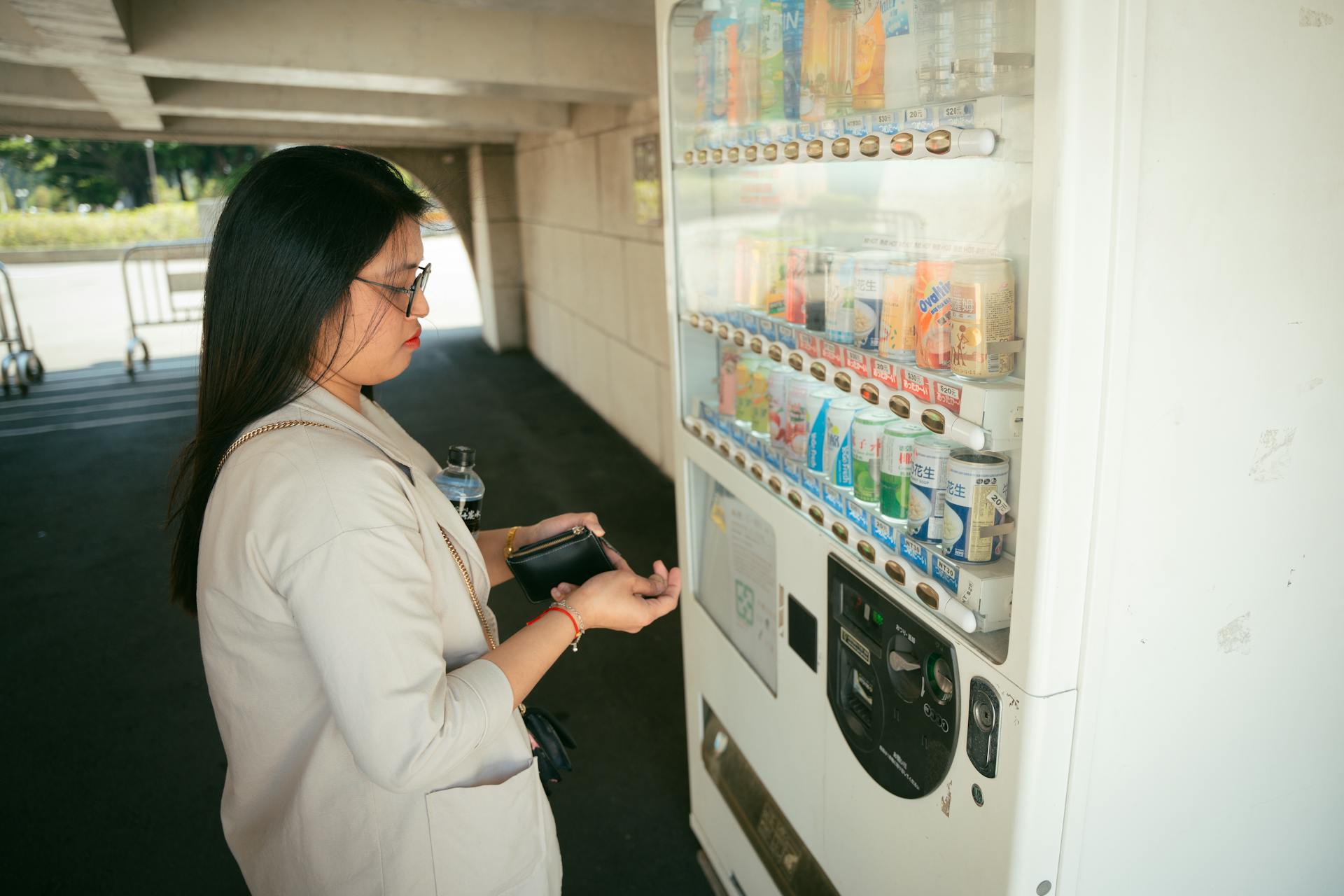
Cashless vending systems need stable network connectivity to process transactions and transmit data. Without reliable communication, transactions can fail, and this can lead to customer frustration and loss of revenue.
Therefore, consider cellular or Wi-Fi connectivity alternatives based on the location of the machine. Machines that are placed in underground areas or in remote areas may need more powerful cellular support or external antennas in order to operate stably.
In addition, with integrated telemetry, operators can monitor the machine health, sales trends, and product availability remotely. This means fewer unnecessary service visits and faster response when machines go offline.
As a result, powerful connectivity and remote monitoring help increase operating efficiency and keep machines consistently profitable.
4. Integrate Management Software for Smarter Operations
Payment acceptance alone does not maximize vending performance. Instead, the integration with management platforms helps machines transform into data-driven points of retail.
Modern vending management tools include dashboards that show transaction patterns, product performance, and machine status. Consequently, operators have the ability to optimize restocking routes, adjust pricing strategies, and remove slow-moving items efficiently.
Furthermore, predictive insights also aid in scheduling maintenance before breakdowns occur. This helps to reduce downtime and service costs.
By linking payment systems with centralized management software, vending businesses gain clarity of operations, which allows them to make better decisions that directly lead to improved profitability and customer satisfaction.
5. Enable Consumer Engagement Features
Another benefit of modern vending technology can be found in customer engagement tools that are built into payment ecosystems. These are features that go beyond simple transactions.
For example, digital receipts, loyalty rewards, or promotional discounts can be used to incentivize repeat purchases. Customers who have a seamless experience are likely to return to machines that provide convenient payment and the occasional incentive.
Moreover, digital engagement can be used to run seasonal promotions or targeted offers without physically updating machines. Therefore, operators gain marketing flexibility while customers enjoy more interactive buying journeys.
As a consequence, vending machines are no longer merely dispensaries of snacks, but also creative retail touch points that help build customer loyalty and drive greater long-term sales.
6. Plan Installation, Testing, and Staff Training Carefully
Finally, successful deployment depends on proper installation planning and team readiness. Even advanced technology requires careful testing before full rollout.
Start with pilot installations across selected locations to evaluate transaction reliability and connectivity performance. During this stage, identify technical or operational issues before scaling deployment.
Meanwhile, training service teams and route operators ensure everyone understands troubleshooting steps, device handling, and dashboard usage. This reduces support delays and operational confusion.
After testing and training, expand installation gradually across locations. As a result, operations transition smoothly while maintaining consistent customer experiences. Proper preparation ultimately protects investment and guarantees long-term success.
Final Thoughts
Cashless payment integration is no longer optional for vending operators seeking competitive growth. Instead, it has become essential for meeting customer expectations and improving operational efficiency.
When machines accept diverse payment options, provide real-time performance insights, and support remote management, operators gain both revenue stability and operational control.
However, success depends on selecting compatible hardware, ensuring connectivity, integrating management tools, enabling engagement features, and carefully managing deployment.
By following these setup and integration tips, vending businesses can transform traditional machines into modern, connected retail solutions that deliver convenience, efficiency, and consistent profitability.

Peyman Khosravani is a global blockchain and digital transformation expert with a passion for marketing, futuristic ideas, analytics insights, startup businesses, and effective communications. He has extensive experience in blockchain and DeFi projects and is committed to using technology to bring justice and fairness to society and promote freedom. Peyman has worked with international organizations to improve digital transformation strategies and data-gathering strategies that help identify customer touchpoints and sources of data that tell the story of what is happening. With his expertise in blockchain, digital transformation, marketing, analytics insights, startup businesses, and effective communications, Peyman is dedicated to helping businesses succeed in the digital age. He believes that technology can be used as a tool for positive change in the world.