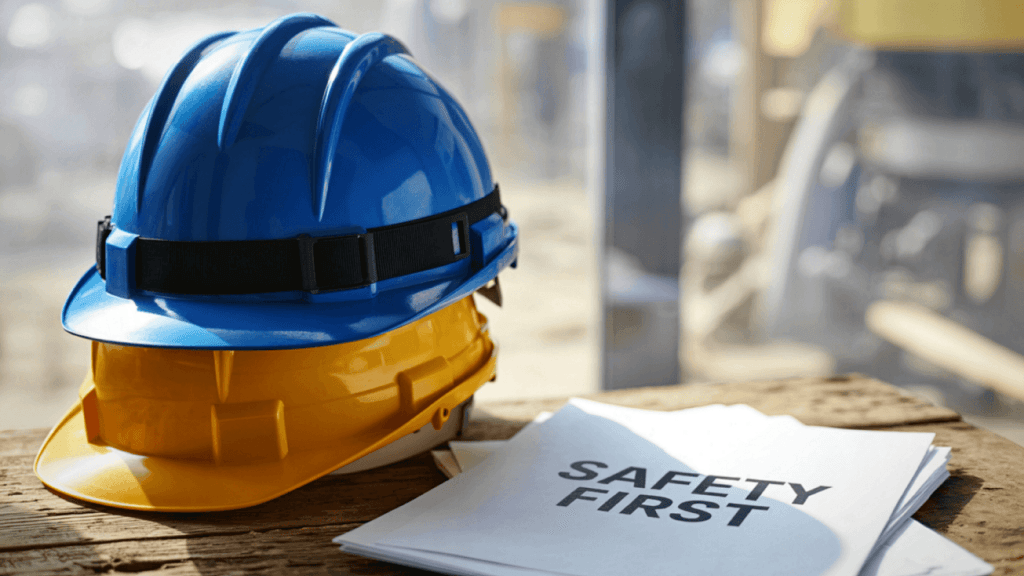
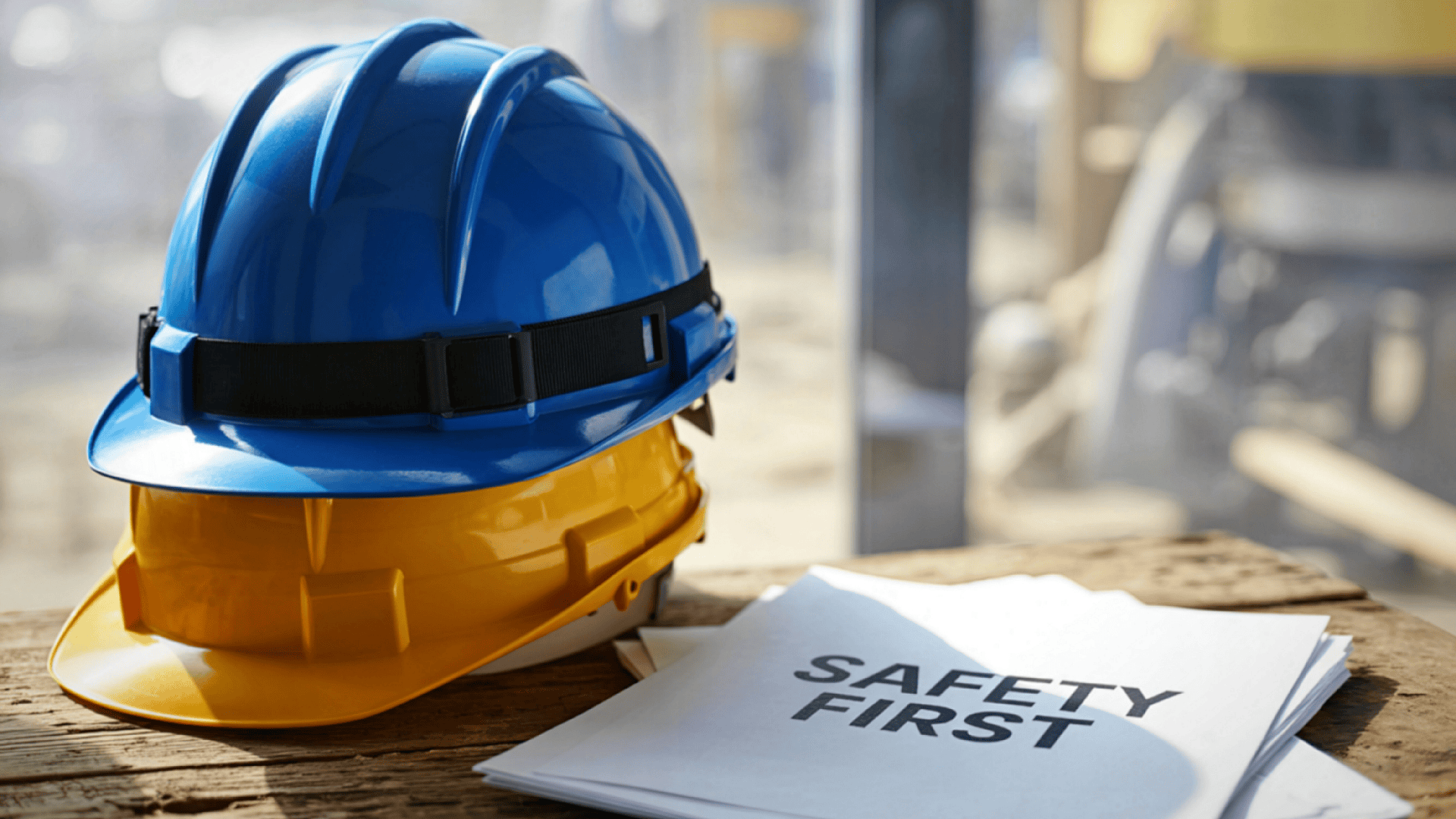
From moving plant and power tools to exposed outdoor conditions, modern construction and heavy industrial environments present a constant, wide-ranging mix of physical hazards.
As sites become busier and deadlines get tighter throughout 2026, personal protection is no longer a background consideration but a core aspect of accident prevention. Employers must take a more targeted approach to managing accident risk on active sites, and here’s why.
Changing site conditions
Many long-term projects now operate within mixed-use developments or even amongst public rights of way.
Heavier machinery and greater overlap between trades exposes workers to multiple risks every day. These tough conditions place more pressure on protective equipment, which now needs to withstand sustained wear rather than short, task-specific use.
Durability is at the forefront of industrial design. Equipment needs to perform consistently over long shifts, in changeable weather and under constant impact and load.
Movement and ground risk
Modern construction and trade work involves constant movement across uneven ground. Workers move between different levels environments throughout the day, often while lifting heavy objects or handling hazardous materials. Many roles also require long periods of standing.
These conditions increase the risk of impact injuries and physical fatigue, alongside slips and trips. As a result, employers now place greater emphasis on movement and ground-level hazards when assessing site risks.
During risk assessments, site managers must also consider how continuous physical activity affects both immediate safety and long-term strain, particularly on workers’ legs and joints.
Role-based protection
Different roles on the same site face very different risks.
Site operatives often deal with manual handling and nearby moving equipment. Specialist trades encounter more task-specific hazards, including welding and installing materials. Supervisors might carry out less physically demanding work, but they still move through busy, volatile environments.
Employers now take a more role-based approach to protection. They match heavy-duty equipment like construction safety boots to the specific hazards and type of exposure each role faces. Instead of issuing the same protection to everyone, equipment is allocated by level of risk.
Compliance and wearability
Meeting UK safety standards will always be essential, but comfort now plays a much bigger role in protection planning. Uncomfortable or poorly fitting equipment can distract workers and increase their fatigue, which may also increase the risk of incidents.
Comfort and breathability directly affect how protection performs over long shifts. When equipment feels practical and wearable, workers are more likely to use it correctly and consistently, improving overall site safety.
Employer priorities in 2026
This year and beyond, procurement teams and health and safety managers focus on consistency and durability. With higher standards across sectors, team leaders now treat protective equipment as part of a long-term risk management strategy – not a last-minute or reactive purchase.
By choosing protection that reflects real site conditions and the needs of the individual workers, employers can support productivity and keep up with the competition – all while keeping risk low.

Peyman Khosravani is a global blockchain and digital transformation expert with a passion for marketing, futuristic ideas, analytics insights, startup businesses, and effective communications. He has extensive experience in blockchain and DeFi projects and is committed to using technology to bring justice and fairness to society and promote freedom. Peyman has worked with international organizations to improve digital transformation strategies and data-gathering strategies that help identify customer touchpoints and sources of data that tell the story of what is happening. With his expertise in blockchain, digital transformation, marketing, analytics insights, startup businesses, and effective communications, Peyman is dedicated to helping businesses succeed in the digital age. He believes that technology can be used as a tool for positive change in the world.