
KYB delays hit hard — new SMEs in the UAE often lose weeks or even months waiting for approval or fixing rejected submissions. But passing on the first go is realistic if you get the preparation and the partner right.
In this guide we explain KYB in straightforward terms, cover the most common reasons for delays, and give you the exact steps to succeed on your first attempt.

Understanding KYB requirements in the UAE
KYB (Know Your Business) is the standard check that banks and fintech platforms run to verify a company is real and legitimate. They look at who owns and controls the business, how it actually operates, and how much risk it presents.
In the UAE, both traditional banks and regulated fintech providers do this to follow Central Bank rules and global AML/CFT standards — basically to make sure they only work with genuine businesses.
Regulatory framework
The UAE Central Bank enforces strict AML (Anti-Money Laundering) and CFT (Countering the Financing of Terrorism) rules, fully aligned with FATF standards.
The key requirements include:
- Complete identification of ultimate beneficial owners (UBOs) with 25% or more ownership
- Verification of company registration, trade license, and actual operational presence
- Proof that daily business matches the licensed activities
- Clear, honest explanation of source of funds and expected transaction patterns
These rules apply to both traditional banks and regulated fintech platforms, though the speed and flexibility of checks can differ.
Common reasons businesses encounter avoidable delays in KYB
Most problems come from these repeated issues:
- Incomplete or inconsistent documentation — even one missing or outdated item (share certificate, proof of address, UBO declaration) stops everything.
- Unclear ownership structure or missing shareholder details — complex setups without full, consistent proof create immediate questions.
- Emerging operational footprint — very new companies with little visible activity struggle to show real economic substance.
Industry-specific challenges
Higher-risk activities (general trading, consulting, cross-border e-commerce, digital services) receive more detailed review. Providers need stronger evidence of legitimacy here.
Early-stage SMEs naturally face tougher questions than established companies that already have years of accounts, local offices, and transaction history.
Preparing your business for KYB approval
Strong preparation makes approval far more likely.
Focus on these practical points:
- Make sure company registration and trade license are current, valid, and exactly match what your business does now.
- Prepare basic financial overview (even simple projections), a short business plan, and proof of real activity (lease, early contracts, invoices).
- Verify all shareholders and directors with valid passports, recent proof of address, and full UBO declarations.
Choosing the right banking or fintech partner
Traditional banks usually have longer, more formal KYB procedures. Shariah-compliant fintech platforms generally offer more flexible, digital-first verification that fits SMEs better.
Unlike legacy institutions, Shariah-compliant fintech platforms prioritize the underlying economic substance of your business. This asset-backed approach means the verification focus shifts from ‘years of history’ to the transparency of current operations, making it a superior choice for agile SMEs.
Many founders find that the business verification process in the UAE is significantly streamlined when choosing fintech platforms for SMEs that specialize in early-stage structures.
Tips to pass KYB on the first attempt
Follow these simple, effective steps:
- Check every document twice for accuracy, consistency, current dates, and clear readability before submission.
- If your ownership structure or activity is complex, get short advice from a UAE-based legal or compliance consultant.
- Stay fully open — provide a straightforward description of your business model, realistic source of funds, and expected transaction types.
- Use digital submission options that allow fast follow-up and instant uploads.
After KYB approval
Once approved:
- Activate your corporate accounts or payment access to begin actual transactions.
- Use the setup for daily needs — paying suppliers, receiving funds from marketplaces (Amazon, Noon, Shopify), handling cross-border transfers.
- Create a basic routine for ongoing compliance — update documents when required, track activity, and answer any future requests promptly.
For SMEs still building a financial track record, small business banking solutions provide the necessary agility to maintain operations while long-term banking relationships mature.
Passing KYB on the first attempt is mainly about being thorough with documents, transparent with explanations, and partnering with a provider that understands early-stage businesses. When done right, it becomes a quick step forward instead of a roadblock, letting you focus on real growth in the UAE.
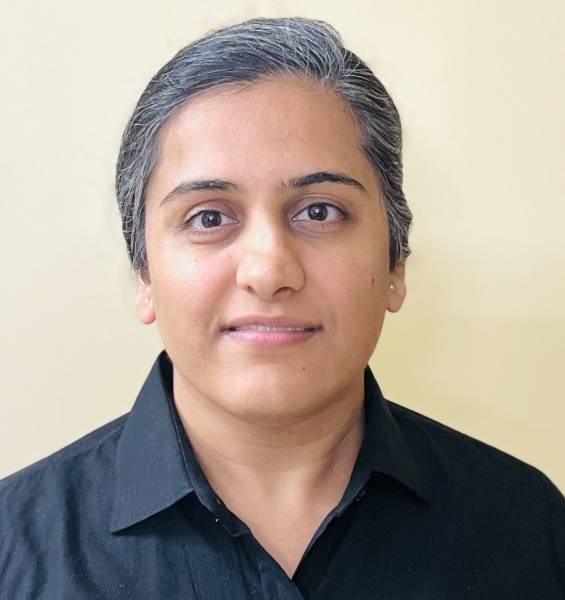
Pallavi Singal is the Vice President of Content at ztudium, where she leads innovative content strategies and oversees the development of high-impact editorial initiatives. With a strong background in digital media and a passion for storytelling, Pallavi plays a pivotal role in scaling the content operations for ztudium’s platforms, including Businessabc, Citiesabc, and IntelligentHQ, Wisdomia.ai, MStores, and many others. Her expertise spans content creation, SEO, and digital marketing, driving engagement and growth across multiple channels. Pallavi’s work is characterised by a keen insight into emerging trends in business, technologies like AI, blockchain, metaverse and others, and society, making her a trusted voice in the industry.