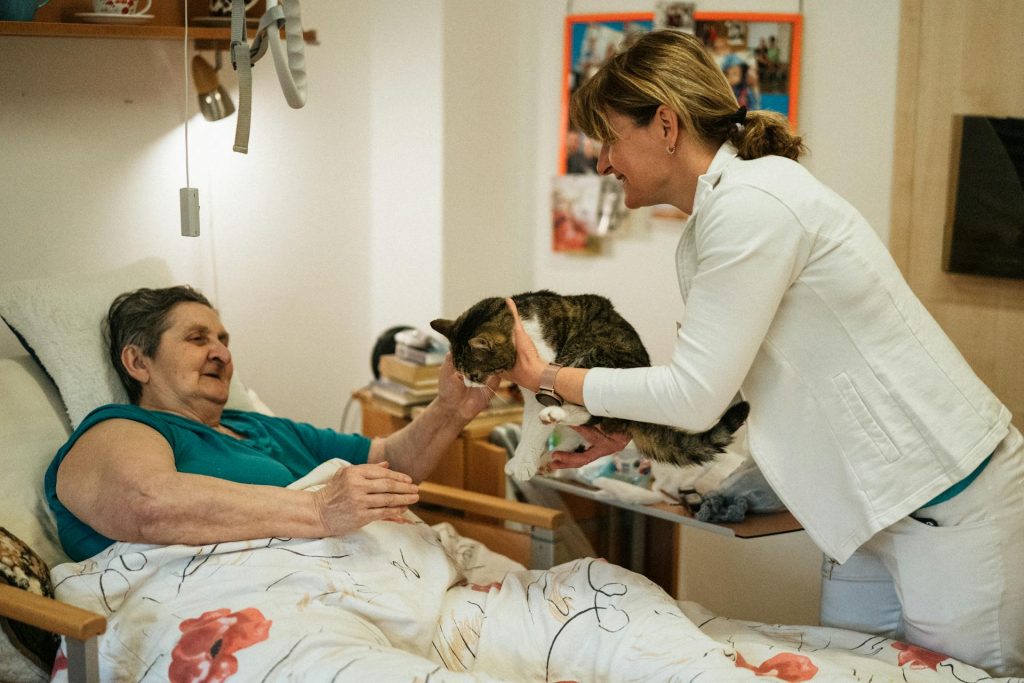
Ever finish a shift knowing you did everything you could and still feel like it wasn’t enough? Not because of effort, but because decisions were limited by scope, time, or someone else’s approval. That feeling shows up quietly in nursing, usually at the end of long days when patient needs don’t line up neatly with job descriptions.
Nursing today asks for more than skill and endurance. It asks for judgment, coordination, and system-level thinking. Advanced education exists because bedside experience alone, as valuable as it is, can only take practice so far.
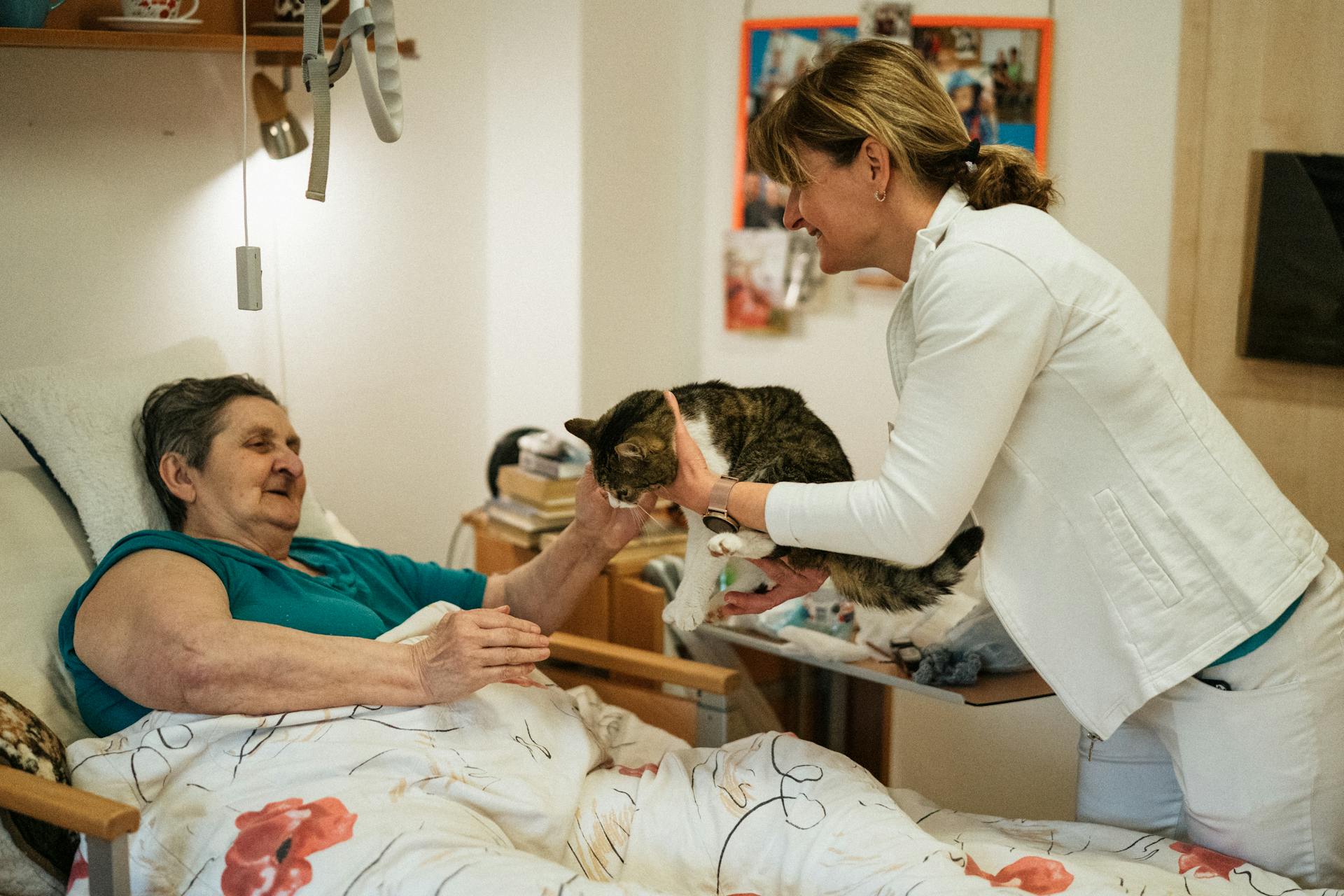
When Clinical Experience Starts to Hit a Ceiling
Most nurses don’t chase advanced education right away. They work the floor, learn on the job, manage changing protocols, new tools, and patients who need more care in less time. That builds instinct, and it counts. But eventually the limits show. Decisions still move upward. Plans need approval. Policies change without much context. Nurses often know what should happen, but can’t make it happen. It’s not about titles or ambition. It’s about responsibility without authority. At that point, advanced education starts to feel practical, not aspirational. A way to stay effective inside a system that keeps getting bigger and faster.
Advanced Roles and Expanded Scope
Healthcare systems now rely on nurses who can assess, diagnose, and manage care with a higher level of independence. These roles didn’t appear overnight. They emerged as patient needs grew more complex and physician shortages became harder to ignore. Advanced nursing education prepares professionals to step into that gap thoughtfully.
Advanced study focuses on deeper clinical reasoning, pharmacology, and evidence-based decision-making. Nurses learn how to evaluate research, manage risk, and coordinate care across settings. Leadership becomes part of daily work, not an add-on.
For many, this path leads toward becoming an advanced practice registered nurse. That role reflects years of education layered on top of clinical experience, allowing nurses to practice with greater autonomy while staying grounded in patient-centered care. The transition isn’t about leaving nursing behind. It’s about practicing it at a broader level.
Education as a Response to System Strain
Healthcare has changed in ways that aren’t always visible from inside a single unit. Shorter hospital stays, aging populations, chronic disease management, and telehealth have all shifted how care is delivered. Nurses are often the constant presence as everything else rotates.
Advanced education helps nurses understand these shifts instead of just absorbing their impact. Courses in health systems, policy, and population health explain why workloads feel heavier and why documentation keeps expanding. The problems stop feeling personal and start looking structural.
That perspective matters. Nurses trained to see systems can adapt more effectively. They understand where flexibility exists and where it doesn’t. They also recognize when change requires advocacy, not endurance.
Clinical Decision-Making Beyond Protocols
Protocols are necessary. They protect patients and standardize care. But real cases rarely follow scripts perfectly. Advanced education teaches nurses how to move responsibly beyond checklists when situations demand it.
This includes interpreting diagnostic data, weighing treatment options, and understanding long-term implications of short-term decisions. Nurses learn to ask better questions, not just follow orders. They also learn how to document and communicate decisions clearly, which protects both patients and providers.
The confidence that comes from this training isn’t loud. It shows up in steadier judgment and fewer hesitations when things move quickly.
Research Literacy in Everyday Practice
One overlooked benefit of advanced nursing education is research literacy. Nurses don’t become researchers by default, but they become skilled consumers of research. They learn how to read studies, question conclusions, and apply findings carefully.
This matters in a field flooded with new products, guidelines, and trends. Advanced training helps nurses separate meaningful evidence from noise. It reduces blind adoption of “best practices” that don’t fit real-world settings.
Over time, this changes workplace conversations. Decisions become more grounded. Change feels less arbitrary. Nurses gain credibility not by speaking louder, but by backing choices with reasoning others can follow.
Leadership That Grows Out of Care
Advanced education doesn’t push nurses away from patients. It reframes leadership as part of care itself. Nurses in advanced roles often coordinate teams, mentor staff, and translate policy into practice.
This kind of leadership looks different from management. It’s quieter. It’s situational. It involves listening as much as directing. Advanced study supports this by teaching communication, conflict navigation, and ethical reasoning without pretending there’s always a clean answer.
Leaders trained this way tend to understand frontline realities because they came from them. That connection matters when decisions affect workflow, staffing, and morale.
Ethics Under Real Pressure
Ethical dilemmas in nursing rarely announce themselves. They show up as trade-offs. Limited beds. Time constraints. Conflicting priorities. Advanced education creates space to think through these situations before they happen.
Nurses examine cases where outcomes weren’t ideal, even when intentions were good. They discuss responsibility, scope, and accountability. This builds ethical awareness that’s practical, not theoretical.
The result isn’t moral certainty. It’s ethical steadiness. Nurses learn how to justify decisions, reflect on them, and adjust without burning out.
Why Advanced Education Keeps Nursing Sustainable
Burnout is often framed as an individual problem, but it’s closely tied to lack of control. Advanced education expands control by expanding understanding and authority. Nurses are better positioned to influence care models, workflows, and policies that affect daily practice.
This doesn’t eliminate stress. It changes how stress is managed. Nurses with advanced training often report feeling more aligned with their work, even when demands remain high. They’re not just reacting. They’re shaping.
The Quiet Impact of Advanced Nursing Education
Advanced education in nursing doesn’t promise easier days. It promises clearer ones. Nurses gain tools to interpret complexity instead of absorbing it blindly. They learn when to push, when to adapt, and when to advocate for change.
In modern healthcare, that preparation matters. Patients need clinicians who understand both care and context. Advanced nursing education helps build that bridge, one decision at a time, without losing sight of the people at the center of it all.
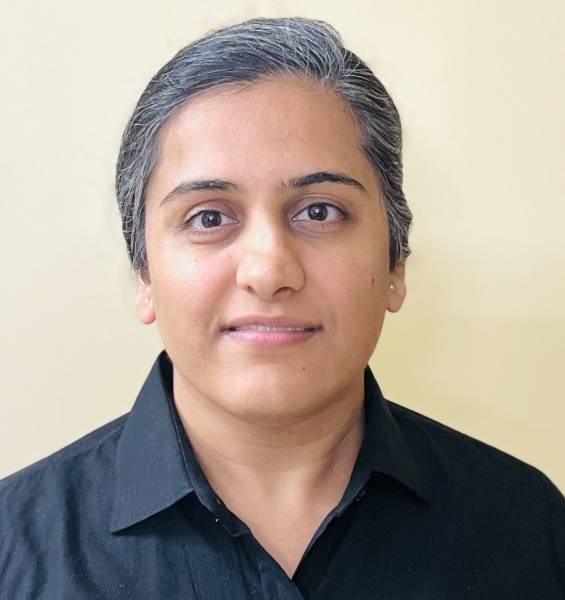
Pallavi Singal is the Vice President of Content at ztudium, where she leads innovative content strategies and oversees the development of high-impact editorial initiatives. With a strong background in digital media and a passion for storytelling, Pallavi plays a pivotal role in scaling the content operations for ztudium’s platforms, including Businessabc, Citiesabc, and IntelligentHQ, Wisdomia.ai, MStores, and many others. Her expertise spans content creation, SEO, and digital marketing, driving engagement and growth across multiple channels. Pallavi’s work is characterised by a keen insight into emerging trends in business, technologies like AI, blockchain, metaverse and others, and society, making her a trusted voice in the industry.