
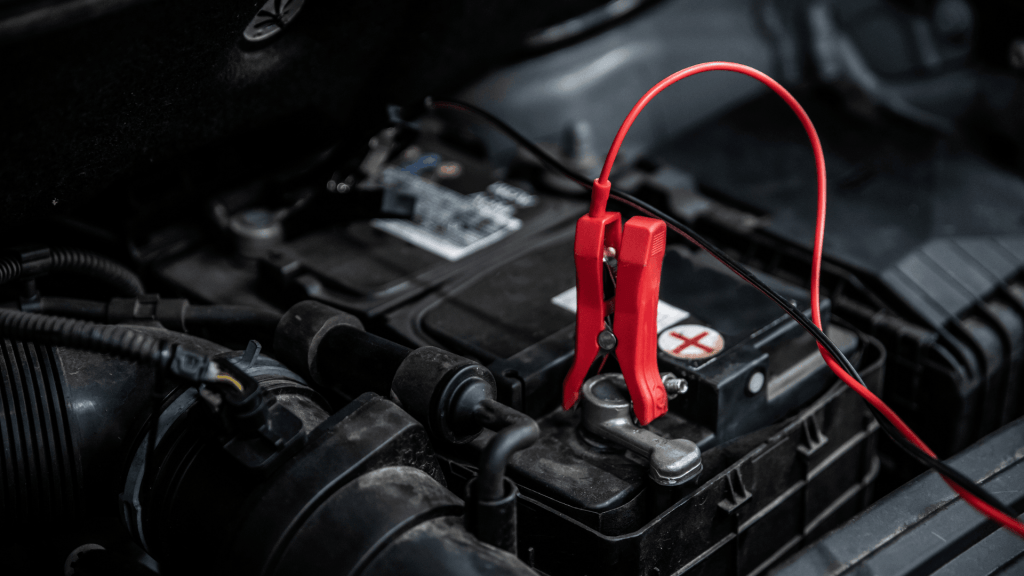
Choosing the right marine battery is crucial for any boating enthusiast. It’s not just about starting your engine; it’s about ensuring reliability, performance, and longevity. A high-quality battery can enhance your boating experience, powering everything from navigational tools to onboard entertainment systems. With a multitude of options available, it’s essential to familiarise yourself with the features that make for long-lasting batteries for boating.
Understanding Marine Battery Types
Before diving into specific features, it’s important to understand the types of marine batteries available. The most common types are:
- Lead-Acid Batteries: A traditional choice, these batteries come in two main categories: flooded and sealed. Flooded batteries are often less expensive, while sealed versions are maintenance-free and less prone to spillage.
- AGM (Absorbent Glass Mat) Batteries: A subtype of lead-acid batteries, AGM batteries are known for their durability and resistance to vibration, making them ideal for marine environments.
- Lithium-Ion Batteries: Increasingly popular due to their lightweight nature and high energy density, lithium-ion batteries are a long-term investment but come with a higher upfront cost.
Key Features to Look For
1. Capacity and Performance
The capacity of a battery, measured in Amp-hours (Ah), indicates how much charge it can store. This directly correlates with how long you can run your onboard systems before needing a recharge.
- Example: If you’re using electronics like fish finders or GPS units, a higher Ah rating can significantly extend your operational time. Ensure the battery fits your power needs by assessing the total Ah required for your boat’s systems.
2. Durability and Build Quality
Marine batteries face unique challenges, especially when it comes to environmental conditions. Opt for batteries that are specifically designed for marine applications. Key characteristics to look for include:
- Vibration Resistance: A robust construction helps withstand the constant movement and vibrations of being on the water, which can damage a standard battery.
- Corrosion Resistance: Look for features like sealed terminals and special coatings that protect against corrosion from saltwater, which is crucial for maintaining the battery’s longevity.
3. Cycle Life
The cycle life of a battery indicates how many times it can be completely discharged and recharged before its capacity diminishes significantly. A longer cycle life means more years of use, making it an important factor in determining overall value.
- Tip: Lithium-ion batteries typically possess a higher cycle life compared to lead-acid, making them a tempting option for serious boaters planning for long-term investment.
4. Charge Time and Efficiency
The time it takes to recharge a battery can influence your on-water experience. Batteries that have shorter charging times can be a game-changer, especially when you need to be back on the water promptly.
- Consideration: Many newer marine battery technologies offer faster charging capabilities while maintaining efficiency in energy consumption and discharge rates.
Integrating Technology
5. Smart Features
Investing in a battery with smart technology can be advantageous. Some marine batteries come with integrated monitoring systems that provide real-time information about charge status, health, and performance.
- Benefits: These smart systems can alert you to potential issues before they become problematic. Apps are available that communicate with the battery, allowing you to check status and performance from your smartphone.
6. Size and Weight
Weight is a significant factor on a boat, largely affecting performance and fuel efficiency. Lithium-ion batteries are often lighter, which can be a massive advantage.
- Best Practice: When looking for batteries, consider not just the capacity but also their physical size and weight, ensuring they fit well within your boat’s design without affecting balance or speed.
Cost vs. Longevity
While high-quality batteries may involve a more substantial upfront cost, they typically provide a better return on investment. It’s crucial to balance cost, features, and anticipated longevity.
- Long-lasting Option: As you compare options, look for warranties or lifespan estimates. Many manufacturers provide insights into expected longevity for their marine batteries, helping you make an informed decision.
Sustainability Factors
As environmental considerations become paramount, it’s worth noting the sustainability aspects of marine batteries. Some manufacturers are focusing on eco-friendly materials and processes.
- Recyclability: Consider batteries that are easily recyclable, which can reduce your environmental impact and align with a more sustainable boating lifestyle.
Conclusion
Making an informed choice about marine batteries goes a long way in enhancing your boating experience. Understanding the features that contribute to durability, performance, and ease of use can guide you in selecting a battery that meets your specific needs. Whether it’s the capacity, technology, or sustainability concerns, prioritizing these areas will ensure that your investment pays off in the long term.
For those beginning their search for reliable solutions, exploring options for long-lasting batteries for boating can lead you to resources that emphasize quality and endurance, providing you with all the insights you need.
In an age of rapid advancement, the options for high-performance marine batteries continue to evolve. A well-chosen battery not only powers your vessel effectively but also enhances your overall sailing experience, empowering you to navigate the waters with confidence.

Peyman Khosravani is a global blockchain and digital transformation expert with a passion for marketing, futuristic ideas, analytics insights, startup businesses, and effective communications. He has extensive experience in blockchain and DeFi projects and is committed to using technology to bring justice and fairness to society and promote freedom. Peyman has worked with international organizations to improve digital transformation strategies and data-gathering strategies that help identify customer touchpoints and sources of data that tell the story of what is happening. With his expertise in blockchain, digital transformation, marketing, analytics insights, startup businesses, and effective communications, Peyman is dedicated to helping businesses succeed in the digital age. He believes that technology can be used as a tool for positive change in the world.








