
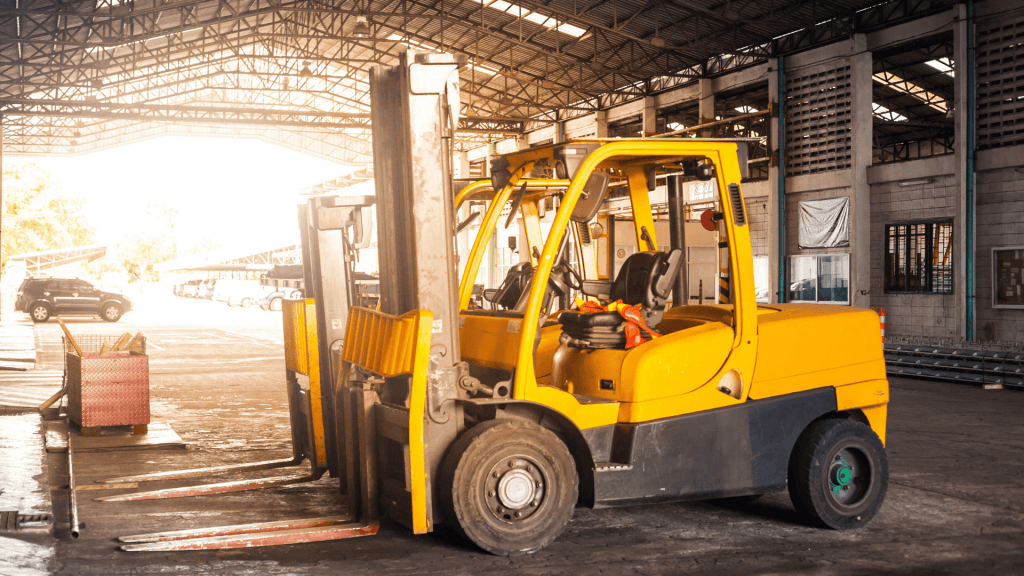
Liverpool projects have a habit of moving fast. A retail fit‑out on Bold Street, a storage push for an e‑commerce seller near Speke, or a contractor rushing to hand over units on the waterfront—timelines compress, and the bottleneck is rarely the plan. It’s the moments in between: pallets that need shifting, materials that arrive early, or a lorry that must turn around before the next slot. When those micro-delays stack up, a three‑day job becomes a week.
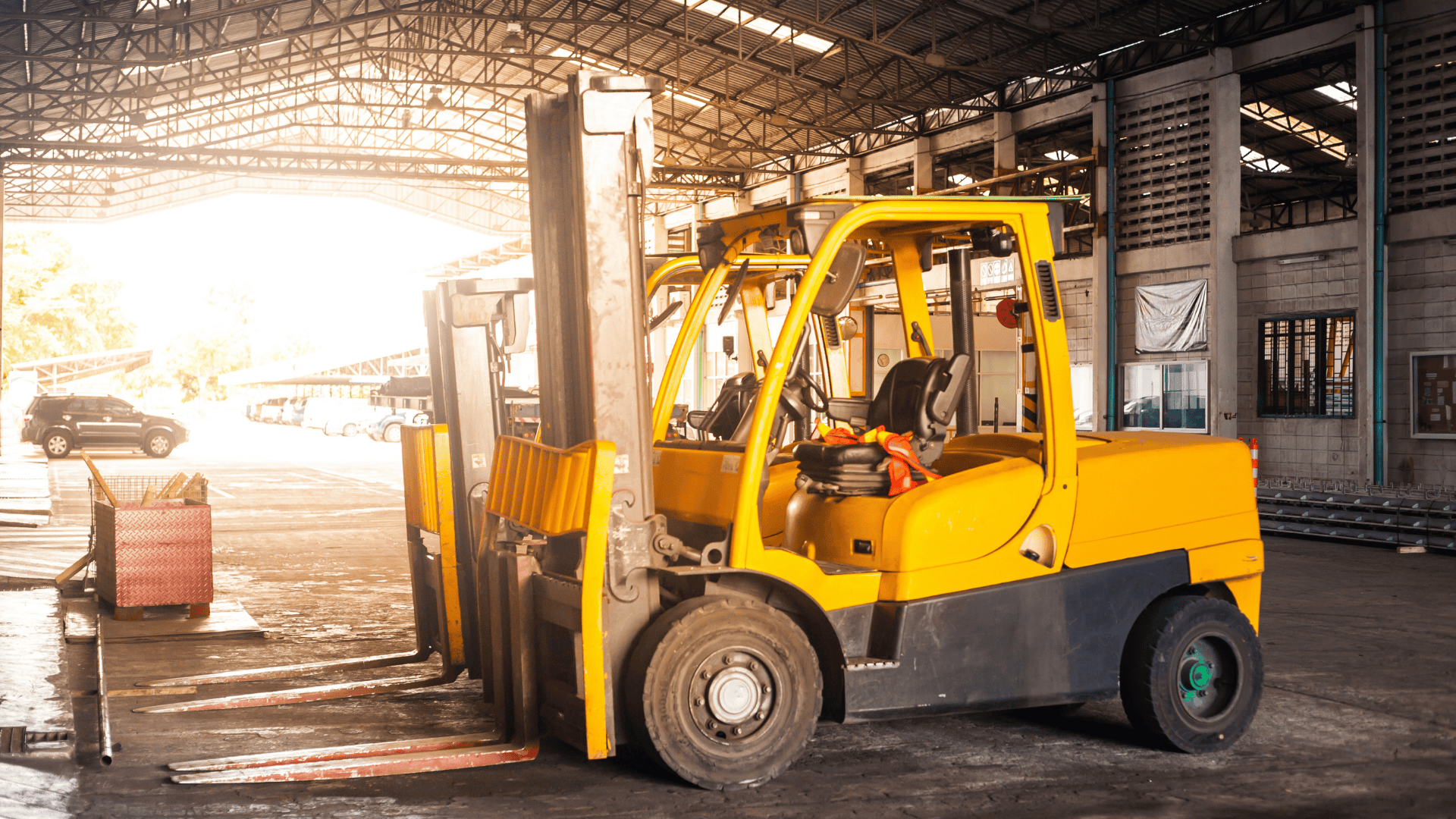
That’s where forklift availability becomes a strategic lever. Hiring lets you add lifting capacity exactly when a programme spikes—without waiting for procurement cycles or maintenance checks. In Liverpool, with tight city-centre sites and time-restricted deliveries, the right truck on the right day protects your critical path. Exploring short-term forklift hire in Liverpool can be a practical first step, because you’re really buying time: faster unloading, fewer manual workarounds, less downtime between trades. Here’s how to use hire so it supports rapid turnarounds instead of adding complexity.
Speed Is Usually a Logistics Problem
Most turnaround pressure shows up at interfaces: when materials transfer from supplier to site, from goods-in to storage, or from storage to the point of use. Those handoffs are sensitive to small disruptions—miss a delivery window, or find the loading bay blocked, and labour stands idle. A forklift helps you recover by clearing vehicles, stacking efficiently, and creating temporary buffer zones. On busy sites, that flexibility keeps people and vehicles flowing rather than waiting.
Hire also changes the economics of “just in case.” Instead of over-ordering kit months in advance, you can schedule a truck for the high-intensity phases: initial delivery days, fit‑out peaks, or end-of-project demob. In practice, many Liverpool teams hire for one or two concentrated weeks and remove the equipment as soon as the site stabilises. That reduces congestion and eliminates the temptation to use a forklift for tasks it’s not suited to.
Choose the Right Truck for the Constraint, Not the Ideal Scenario
Speed doesn’t come from hiring “a forklift”; it comes from hiring the right configuration. A 3‑ton counterbalance on solid tyres may be perfect for a concrete yard, but it will slow you down inside a finished unit with narrow aisles and sensitive floors. Spend ten minutes aligning the truck to the job and you can save hours of repositioning and rework.
Match Capacity to the Heaviest Lift
Match capacity to the heaviest lift, not the average. If you’re moving 1,200 kg pallets of bagged aggregate, a 2.5‑ton truck may look fine on paper, but add a long load centre or a boom attachment and you can quickly exceed safe limits. Ask for the load chart, and confirm whether you’ll be lifting to racking height or onto mezzanines. Over-specifying slightly is often faster than running at the margins.
Plan for Access and Site Flow
Think about access before the truck arrives. Liverpool city-centre sites often have time-restricted deliveries and limited laydown space. Measure door widths, turning circles, and floor gradients, and decide where the forklift will park overnight. If you need to operate inside a warehouse with low headers, a reach truck or compact electric counterbalance can keep lifts smooth without constant mast adjustments.
Tyres, Power, and Shift Patterns
Don’t forget tyres and power. Pneumatic tyres cope better with mixed surfaces and kerbs, while non-marking tyres protect finished floors. Electric trucks are quiet and clean for indoor work, but you’ll need a charging plan if the job runs double shifts. LPG or diesel can be quicker to refuel and suit outdoor tasks—useful when schedules change and you can’t afford downtime.
Make Hire Work for the Schedule
Rapid turnarounds depend on sequencing. Treat the hired forklift like a critical subcontractor: book delivery and collection around your highest-volume days, and align operator availability with the same windows. If your project is running nights to hit a handover, confirm call-out arrangements early—last-minute extensions are possible, but they’re always smoother when discussed upfront. A simple plan avoids the common trap of having a truck on site with nothing ready to move.
Before the truck turns up, run through a short checklist:
- Confirm the heaviest load, lift height, and any attachments (jibs, fork extensions).
- Define traffic routes so pedestrians, vans, and the forklift don’t compete for space.
- Allocate a loading/unloading marshal during peak deliveries to prevent standstills.
- Check ground conditions and drainage; a soggy yard kills productivity and tyres.
- Make sure insurance, LOLER/PUWER paperwork, and operator certification are in place.
These details sound administrative, but they’re usually what separates a clean lift plan from a chaotic scramble.
Where Hire Delivers the Biggest Gains in Liverpool
You see the biggest gains when conditions are variable. On refurbishment jobs in the Baltic Triangle, access can change day to day as trades open up corridors and remove waste; a hired compact electric truck can keep materials moving without damaging finishes. For distribution firms around the Port of Liverpool, hire is often a safety valve during seasonal spikes, when containers arrive in clusters and storage layouts get reshuffled. Even event builds at the Arena benefit: tight load-in times reward extra lifting capacity that disappears once the show is up.
The common thread is control. When you can dial equipment up and down, you protect labour hours and hit handover dates. Hire isn’t a shortcut; it’s schedule insurance when it matters, for moments that count.

Peyman Khosravani is a global blockchain and digital transformation expert with a passion for marketing, futuristic ideas, analytics insights, startup businesses, and effective communications. He has extensive experience in blockchain and DeFi projects and is committed to using technology to bring justice and fairness to society and promote freedom. Peyman has worked with international organizations to improve digital transformation strategies and data-gathering strategies that help identify customer touchpoints and sources of data that tell the story of what is happening. With his expertise in blockchain, digital transformation, marketing, analytics insights, startup businesses, and effective communications, Peyman is dedicated to helping businesses succeed in the digital age. He believes that technology can be used as a tool for positive change in the world.








