Organic produce can be excellent, but labels and seals do not always tell the whole story. If you want food that fits your budget and daily routine, you need simple rules you can use at the market.
This guide turns complex standards into plain steps. You will learn how to check traceability, weigh pesticide risk, judge labels, and build a quick scorecard you can use every week.

Start With Clear Definitions
Begin by separating two ideas in your mind. Organic describes how a crop is grown, while quality is how well it meets your needs for taste, safety, and shelf life.
Line up your goals before you shop. Decide which matters most to you among freshness, flavor, price, and storage time.
A health publication reminds us that organic refers to farm practices, not a promise of zero risk or perfect safety. That simple point keeps expectations balanced when you compare options.
With that frame, the rest of your choices get easier. You can judge each product against the same short list of needs.
Follow The Supply Chain Paper Trail
Quality standards make sense only if you can follow the product back to a source. Ask how the farm, packer, and seller track lots from field to shelf.
Many buyers keep a small notebook or notes app. You might compare your notes with producers like Frantoio Grove to see how clear origin details and labeling can look, then adapt those ideas to your own list. Patterns appear, and you gain confidence.
Look for product codes on tags or boxes. Snap a photo so you can match what you buy with the week and the stall.
When a seller gives quick, specific answers, that is a strong sign. Vague answers are a cue to keep looking.
Understand Traceability Timelines
Rules for tracking high-risk foods are getting tighter, and timelines matter. Ask how your sellers are preparing for recordkeeping and lot tracking deadlines.
An agency rule explains that larger farms meet new traceability record rules earlier, with smaller and very small farms getting longer lead times. That means your local suppliers may be mid-upgrade today, so cut through the jargon by asking what they can show you now.
If a farm is not yet required to meet a date, you can still request simple proof. A harvest log, field map, or batch code works well.
Keep your own receipts and photos. A two-minute habit gives you a personal trail that supports returns and teaches you which sources deliver steady quality.
Put Pesticide Risk In Perspective
Residue numbers can sound scary or soothing, depending on who is talking. The real task is to place risk in context and make a calm choice.
A newspaper report cited testing that found roughly 20 percent of 59 common foods posed a notable pesticide residue risk, which means risk is not uniform across items. Use that insight to focus your attention on the produce types that matter most to you.
For items with greater concern, choose organic when cost allows. For others, wash well and buy from sources with clear handling steps.
Track how your produce looks and tastes after 2 or 3 days at home. If it lasts and tastes good, that is a quality signal worth more than a single number.
Choose Certifications That Fit Your Needs
Labels can help, but only if you know what you want them to prove. Start with the basic organic seal, then decide whether you also want add-ons like fair labor or water stewardship.
- Ask sellers which audits they pass and how often.
- A simple explanation plus a sample report is more useful than a wall of logos.
Give extra credit to farms that share practice details in plain words. Drip irrigation, soil tests, and field sanitation are easy to describe without buzzwords.
If a certification does not match your goals, do not force it. Quality is practical when it serves your kitchen, not a long checklist.
Shop And Store For Real-World Life
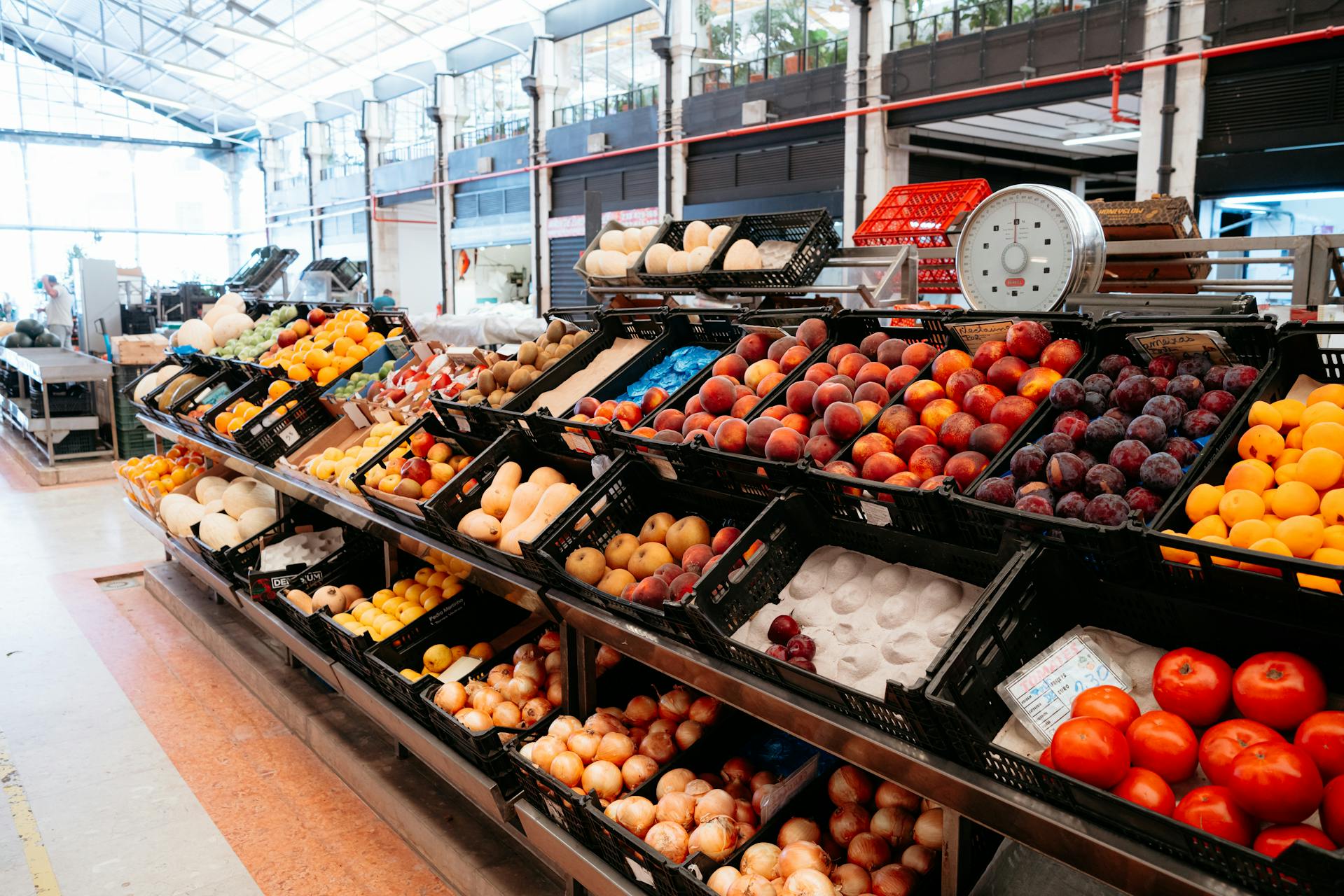
Quality standards shine when they meet your calendar. Buy only what you can eat in the next 3 to 5 days unless you plan to freeze or ferment.
Check temperature control from stall to home. A cool tote and quick refrigeration protect the texture and flavor.
Choose firm, heavy items that smell fresh. Avoid bruises and cuts, since damaged spots spoil quickly.
Write a simple storage plan on a sticky note. Leafy greens near the front of the fridge, roots in the crisper, fruit on a clean shelf.
Create A Simple Scorecard
Use a 1 to 5 score for five traits. Freshness, flavor, traceability, handling, and value. Total the points after you finish the batch.
Do this for each farm or brand you buy. Patterns will pop out after a month or two.
Share your scores with the seller if they ask. Clear feedback can improve what you get next week.
Keep your rules short so you actually use them. A scorecard that takes 60 seconds beats a system you never open.
Test And Learn With Seasons
Quality changes with weather and harvest cycles. Seasonal buying improves both taste and shelf life.
Try 1 or 2 new items each month. Track which varieties work best for you.
When a batch disappoints, note the lot code and date. Your record helps you spot and avoid repeats.
When a batch shines, mark that too. Repeat the win by buying from the same source the next week.
Good standards are simple enough to use in a busy week. They help you get steady results without turning shopping into a project.
Use the ideas above to make your own rules and keep them short. As you shop, you will learn which signals match the meals you love.

A dad of 3 kids and a keen writer covering a range of topics such as Internet marketing, SEO and more! When not writing, he’s found behind a drum kit.