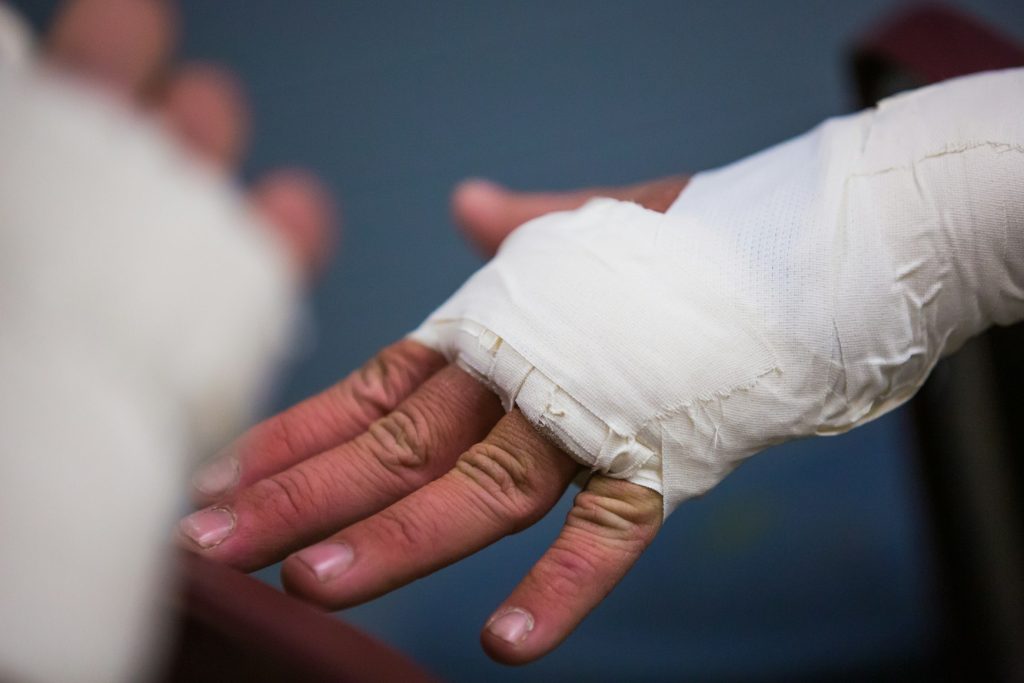
An injury can happen in a split second, but the decisions made afterward can have long-lasting effects. Many people unintentionally make choices that complicate their recovery or create avoidable stress.
Understanding common missteps can help you respond more confidently during a difficult moment.
Being injured often means juggling pain, uncertainty, and pressure from multiple directions. Clear thinking and steady actions can make a meaningful difference in how the situation unfolds.
Delaying Medical Attention
One of the most common mistakes after an injury is waiting too long to seek medical care. Some injuries do not show full symptoms right away, especially soft tissue injuries or concussions. Delaying treatment can allow conditions to worsen and makes recovery more complicated.
In situations where injuries raise legal or financial questions, some people later consult professionals such as Jupiter personal injury lawyers for guidance.
While legal advice is not the immediate priority, timely medical care supports both health outcomes and accurate documentation.
Even if the injury seems minor, getting checked provides clarity and peace of mind. Medical records created early are also more reliable than those created after delays.
Underestimating the Injury
Many people downplay their injuries, assuming pain will fade on its own. This can lead to pushing through discomfort and causing further harm. Ignoring symptoms may extend recovery time or lead to chronic issues.
Listening to your body is essential after an injury. Rest, follow medical advice, and avoid rushing back into normal activities too quickly.
Taking injuries seriously from the start helps prevent setbacks.
Failing to Document What Happened
Another frequent mistake is not documenting the incident while details are fresh. Memories can fade quickly, especially during stressful events. Writing down what happened soon after the injury helps preserve accurate information.
Photographs of the scene, visible injuries, or contributing conditions can also be helpful. Keeping these records organized reduces confusion later.
Documentation is not about assigning blame. It is about clarity and accuracy.
Speaking Too Freely Too Soon
After an injury, people may be contacted by insurance representatives or others seeking statements. Speaking casually or speculating about fault can create misunderstandings. It is important to stick to facts and avoid assumptions.
Minimizing injuries or saying you feel fine can also be misleading. Symptoms often develop over time, and early comments may not reflect reality.
Taking time before making statements protects you from unintended consequences.
Ignoring Follow-Up Care
Initial treatment is only part of recovery. Skipping follow-up appointments or stopping treatment early is a common error. Ongoing care ensures healing is progressing as expected.
Follow-up visits also help identify complications that may not be obvious at first. Ignoring medical guidance can slow recovery and increase discomfort.
Consistency in care supports long-term well-being.
Overlooking the Emotional Impact
Injuries affect more than physical health. Stress, anxiety, and frustration are common reactions after an accident. Ignoring emotional well-being can make recovery more difficult.
Acknowledging emotional strain and seeking support from friends, family, or professionals can help. Mental health plays a role in physical healing and decision-making.
Allowing yourself time to adjust is part of the recovery process.
Returning to Normal Too Quickly
Many people feel pressure to resume work or daily routines immediately. Returning too soon can worsen injuries or cause reinjury. Healing takes time, even when symptoms improve.
Gradually easing back into activities reduces risk. Following medical recommendations helps set realistic expectations.
Patience during recovery often leads to better outcomes.
Assuming Everything Will Sort Itself Out
Some individuals assume issues will resolve without active involvement. This can lead to missed deadlines, overlooked paperwork, or unresolved concerns. Staying engaged and organized helps prevent unnecessary stress.
Keeping track of medical records, insurance correspondence, and expenses provides structure. Proactive attention helps you stay informed and prepared.
Waiting passively can make challenges harder to manage later.
Relying On Advice From Unqualified Sources
After an injury, it is common to receive advice from friends, coworkers, or online forums. While often well intentioned, this guidance may not apply to your specific situation. Following inaccurate or generalized advice can delay recovery or lead to poor decisions.
Every injury is different, and professional input matters. Medical providers are best equipped to assess physical recovery, while experienced professionals can help clarify administrative or procedural questions when needed.
Filtering advice carefully helps you avoid confusion. Trusting qualified sources reduces risk and supports better outcomes during recovery.
Moving Forward With Better Awareness
Recovering from an injury is rarely straightforward. Mistakes often come from lack of information rather than poor judgment. Learning what to avoid can make the process smoother and less overwhelming.
By staying attentive to health, documentation, and emotional needs, people can protect themselves more effectively. Awareness and thoughtful action help turn a difficult situation into a manageable path toward recovery.

Peyman Khosravani is a global blockchain and digital transformation expert with a passion for marketing, futuristic ideas, analytics insights, startup businesses, and effective communications. He has extensive experience in blockchain and DeFi projects and is committed to using technology to bring justice and fairness to society and promote freedom. Peyman has worked with international organizations to improve digital transformation strategies and data-gathering strategies that help identify customer touchpoints and sources of data that tell the story of what is happening. With his expertise in blockchain, digital transformation, marketing, analytics insights, startup businesses, and effective communications, Peyman is dedicated to helping businesses succeed in the digital age. He believes that technology can be used as a tool for positive change in the world.