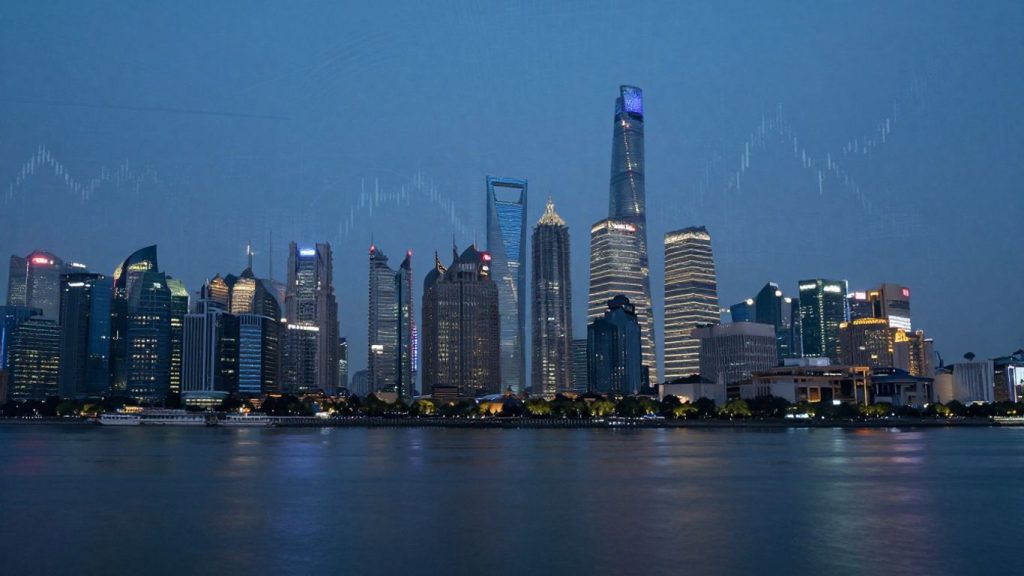
China’s financial scene is always changing, and keeping up can feel like a challenge. We’re seeing new patterns in where money is coming from, what industries are getting the most attention, and how global events are shaking things up. It’s not just about the big numbers; understanding the details is key to spotting where the real chances are for growth and investment. This piece looks at the latest trends in China’s financial world, trying to make sense of it all.
Key Takeaways
- Foreign businesses are still setting up shop in China, with new company registrations up, even though the actual money coming in has slowed a bit. This shows a long-term view despite global bumps.
- The service sector is still the main draw for foreign cash, but high-tech industries are quickly becoming a major attraction as China focuses on innovation.
- While Europe remains a solid investor, countries in the Middle East, especially the UAE, are putting in more money, changing where China’s foreign investment comes from.
- China’s huge market size, its strong network of industries, and its push for green energy offer significant opportunities for foreign investors willing to adapt.
- Global uncertainty and tougher competition for investment mean businesses need to be smart about institutional changes and transparency to succeed in China’s financial market.
Understanding China’s Evolving Financial Landscape

China’s financial landscape is in constant motion, presenting a complex but rewarding environment for those looking to invest. It’s a place where headline figures can sometimes tell only part of the story, and understanding the underlying trends is key to making informed decisions. We’re seeing a fascinating divergence between the number of new foreign-invested enterprises (FIEs) being established and the actual amount of capital flowing in. While the surge in new company registrations, up 14.7% in the first 10 months of 2025, signals strong long-term confidence and a strategic positioning by multinational corporations, the utilized FDI actually decreased by 10.3% during the same period. This doesn’t necessarily mean investors are pulling out; rather, it points to a more cautious approach, perhaps favoring smaller, phased investments and a focus on specific growth sectors.
Navigating Headline Figures: FDI Trends and New Enterprises
The statistics for the first 10 months of 2025 paint a somewhat mixed picture. On one hand, 53,782 new foreign-invested enterprises were established, a healthy increase that shows foreign businesses still view China as a vital market and a strategic hub. This persistent confidence is built on China’s long-term growth prospects, its massive consumer base, and ongoing efforts to improve its business environment. However, the actual utilized foreign direct investment saw a contraction, continuing a trend from late 2023. This suggests that while companies are keen to establish a presence, the scale of immediate capital deployment might be more measured.
The Divergence Between Registrations and Capital Inflows
So, why the gap between setting up shop and putting money in? Several factors are at play. Global economic slowdowns and persistent geopolitical tensions are making companies more cautious about large-scale commitments. Additionally, the global competition for foreign capital is intensifying, with many countries offering attractive incentives. For China, this means that simply having a large market is no longer the sole draw; competitiveness increasingly relies on institutional innovation, a transparent regulatory framework, and a robust industrial ecosystem. The focus is shifting towards quality over sheer quantity of investment.
The message for businesses eyeing China is clear: the opportunities remain significant, but the way investors approach the market is evolving. Agility and strategic positioning are becoming more important than ever.
Assessing the Impact of Global Economic Headwinds
Global economic uncertainty remains a significant factor. Uneven recovery in major economies and ongoing risks prompt many multinational corporations to delay or scale down major investments. Heightened global trade and security concerns also contribute to a more cautious atmosphere in boardrooms worldwide. This environment necessitates a cool-headed assessment of both the challenges and the considerable opportunities that China continues to present. For instance, companies like Animoca Brands are still demonstrating strong financial performance in specific sectors, showing that targeted investment can yield significant results even amidst broader market volatility Digital Assets Advisory unit.
Key factors influencing FDI trends:
- Global Economic Slowdown: Uneven recovery and persistent risks in major economies.
- Geopolitical Tensions: Increased uncertainty in global trade and security.
- Intensifying Competition: Other nations are actively competing for global capital.
- China’s Economic Transformation: Shifting focus towards innovation, sustainability, and high-value services.
Key Sectors Attracting Foreign Investment
When looking at where foreign money is flowing into China, a few areas stand out. While the overall picture shows a shift, some sectors continue to draw significant attention, reflecting both China’s economic direction and global investor interests.
The Dominance and Liberalization of the Service Sector
The service sector remains the largest recipient of foreign direct investment, consistently accounting for a substantial portion of total inflows. This enduring strength is largely due to China’s ongoing efforts to open up its service industries to foreign participation. Sectors like finance, logistics, professional services, and IT services continue to attract capital. This indicates a strong investor belief in the vast potential of China’s consumer market and its developing modern service economy.
The sheer scale of China’s domestic market provides an unparalleled foundation for service-oriented businesses. As the economy matures, demand for sophisticated services, from consulting to digital solutions, is only expected to grow.
High-Tech Industries: A Growing Star Attraction
Perhaps the most dynamic trend is the rapid rise of high-tech industries as a major draw for foreign investment. This category, encompassing both manufacturing and services, has seen a remarkable surge. Key areas within this include:
- E-commerce Services: Driven by China’s massive and fast-evolving online market, this segment has experienced explosive growth. Factors like the expansion of cross-border trade and the potential in smaller cities fuel this trend.
- Medical Instruments & Equipment Manufacturing: An aging population and a push for domestic healthcare solutions are boosting investment in this area.
- Aerospace Equipment Manufacturing: Advancements in China’s aerospace sector, including commercial projects, are attracting foreign capital.
This focus on high-tech aligns with China’s strategic goal of becoming a global hub for innovation and advanced manufacturing. Investors are increasingly targeting fields like semiconductors and biotechnology, which fit with the nation’s industrial upgrading agenda.
Manufacturing’s Role in Strategic Upgrading
While high-tech services are grabbing headlines, the manufacturing sector continues to be a stable pillar for foreign investment. It represents a significant portion of total inflows, underscoring China’s enduring position as a global manufacturing hub. The strength of its industrial and supply chain networks remains a key attraction for foreign companies looking to establish or maintain a physical presence.
| Sector | FDI (RMB billion) | % of Total FDI | YoY Change |
|---|---|---|---|
| Total FDI | 621.93 | 100% | -10.3% |
| Manufacturing | 161.91 | 26.0% | N/A |
| Services | 445.82 | 71.6% | N/A |
| High-Tech Industries | 192.52 | 30.9% | N/A |
Note: Data reflects the first 10 months of 2025. YoY change for specific sectors not provided in source data.
This consistent investment supports China’s strategy to move manufacturing towards more intelligent, greener, and higher-end production. Foreign capital plays a vital role in this industrial transformation, helping to boost China’s overall manufacturing capabilities and global competitiveness.
Shifting Sources of Foreign Direct Investment
Resilience of Traditional European Partners
Even with global economic bumps and shifts in investment patterns, some of our long-standing European partners are showing real staying power in China. Countries like the United Kingdom and Switzerland, for instance, have posted solid growth in their investment figures. This isn’t by accident. It points to continued strong ties in areas like financial services, advanced manufacturing, and the tech sector. Many European companies still see China as a key market for their high-quality goods and services. They also use places like Hong Kong as strategic points for their investments. It shows that even when the global investment picture looks a bit shaky, the economic connection between Europe and China remains quite strong.
The Rise of Middle Eastern Investment
A really interesting development is the significant increase in investment coming from the Middle East, with the United Arab Emirates leading the charge. Their investment in China has jumped quite a bit. This surge is happening for a few reasons. First, many Gulf nations are working to diversify their economies beyond oil and are looking for global growth opportunities for their wealth funds. Second, there’s a natural fit between what China needs and what the Middle East can offer, especially in areas like renewable energy, building new infrastructure, and the digital economy. Plus, ongoing projects related to the Belt and Road Initiative continue to build connections that make investing easier.
Emerging Markets and Their Strategic Role
Beyond the Middle East, we’re seeing a broader trend of investment from other emerging markets playing a more strategic role. These countries are increasingly looking to China not just as a market, but as a partner in development and innovation. This diversification of investment sources is reshaping China’s foreign investment landscape, making it less dependent on traditional players and opening up new avenues for collaboration. It suggests a more globalized approach to capital flows, where strategic partnerships are becoming as important as sheer volume.
The flow of foreign capital into China is becoming more varied. While established partners from Europe continue to invest, there’s a noticeable uptick from Middle Eastern nations and other emerging economies. This shift reflects global economic realignments and China’s own strategic focus on specific growth sectors. Investors from these regions are often drawn by opportunities in green energy, technology, and infrastructure, aligning with China’s development goals.
Here’s a look at some of the key trends:
- European Stability: Traditional partners like the UK and Switzerland show resilience, driven by demand for high-end goods and services and strategic investment structures.
- Middle Eastern Momentum: The UAE is a standout, with significant growth in investment, fueled by economic diversification and strategic alignment in sectors like renewables and digital tech.
- Broader Emerging Market Engagement: Investment from other developing economies is growing, indicating a more diverse and strategic base of foreign capital.
This evolving mix of investment sources highlights China’s ongoing integration into the global economy and its appeal across a wider range of international partners.
Opportunities Amidst Economic Transformation

China’s economy is in a period of significant change, and this transformation brings with it a host of chances for businesses willing to adapt. It’s not just about the sheer size of the market anymore, though that’s certainly a big part of it. The country is actively pushing for higher quality growth, focusing on innovation and sustainability. This shift means new avenues are opening up, especially for those who can align with China’s strategic goals.
Leveraging China’s Unmatched Market Scale
With a population exceeding 1.4 billion and a growing middle class, China offers a consumer base that is simply unmatched anywhere else. This isn’t just about numbers; it’s about evolving consumer tastes. People are looking for better quality, more specialized products, and innovative services. This creates space for premium brands and companies that can offer unique solutions to meet these rising expectations. Think about it: a market this large means that even a small percentage of consumers adopting a new product or service can translate into significant business.
Capitalizing on the World-Class Industrial Ecosystem
China’s manufacturing capabilities are well-known, but it’s more than just factories. The country has a complete industrial system, covering nearly every category you can imagine. This integrated supply chain means that businesses can often find all the components and services they need locally. This can significantly cut down on costs and speed up how quickly products get to market. As global supply chains are being re-evaluated, having access to such a robust and efficient domestic ecosystem becomes even more attractive. It allows for quicker adaptation and more reliable production.
The Green Transformation and Renewable Energy Demand
China has set ambitious goals for carbon neutrality, and this commitment is driving massive investment and demand in green technologies. This includes everything from renewable energy sources like solar and wind power to electric vehicles and advanced environmental protection solutions. Foreign companies with expertise in these areas are finding a ready market and a willing partner in China’s push towards sustainability. The government’s policy direction is clear, and companies that can contribute to these green objectives are well-positioned for growth.
The focus is shifting from just making things to making them better, smarter, and greener. This requires a different approach, one that values innovation, efficiency, and long-term sustainability over sheer volume.
Here are some key areas where opportunities are emerging:
- Renewable Energy Infrastructure: Building and maintaining solar farms, wind turbines, and related grid technologies.
- Electric Vehicle Supply Chain: From battery technology to charging infrastructure and vehicle components.
- Green Building Materials and Technologies: Solutions that reduce energy consumption and environmental impact in construction.
- Environmental Services: Waste management, pollution control, and water treatment solutions.
- Sustainable Finance: Products and services that support green projects and investments.
Navigating Challenges and Enhancing Competitiveness
Addressing Global Uncertainty and Geopolitical Tensions
The global economic climate is certainly a bit unpredictable right now, and geopolitical shifts add another layer of complexity for businesses operating in China. It’s not just about domestic factors anymore; international relations and global economic trends play a big role. Companies need to be smart about how they manage these external pressures. This means keeping a close eye on international trade policies, supply chain risks that might pop up due to global events, and how different countries’ economic situations might affect demand or investment.
Building resilience is key. This involves diversifying supply chains where possible, understanding the regulatory landscapes in different markets, and having contingency plans for unexpected global events. It’s about being prepared for a range of scenarios.
For instance, changes in international trade agreements or sanctions in one region can have ripple effects. Companies that have a good grasp of these global dynamics and can adapt quickly are the ones that tend to fare better. It’s a bit like trying to sail through choppy waters – you need a steady hand on the tiller and a good understanding of the weather patterns.
Intensifying Competition for Global Capital
China is still a major draw for investment, but the competition for that capital is getting tougher. Not just from within China, but globally. Other countries are also actively trying to attract foreign direct investment, often by offering incentives or highlighting their own unique advantages. This means China needs to keep refining its appeal.
What makes a country attractive for investment?
- Market Size and Growth Potential: A large and growing consumer base is always a plus.
- Innovation and Technology: Access to cutting-edge research and development.
- Business Environment: Ease of doing business, regulatory clarity, and protection of intellectual property.
- Talent Pool: Availability of skilled workers and researchers.
- Sustainability Focus: Alignment with global green initiatives and demand for clean technologies.
Companies looking to invest need to weigh these factors carefully. For China, it means continuing to improve the business environment, pushing forward with technological advancements, and demonstrating a commitment to sustainable development. It’s a dynamic landscape where countries are constantly working to stand out. Think about how Switzerland has built its reputation on innovation and specialized sectors; other nations are working to carve out similar niches.
The Importance of Institutional Innovation and Transparency
To stay competitive and attract long-term investment, China is focusing on improving its institutional frameworks. This includes making regulations clearer, streamlining administrative processes, and strengthening the legal protections for businesses, especially foreign ones. Transparency is a big part of this. When investors can clearly understand the rules of the game and trust that they will be applied fairly, they are more likely to commit their capital.
Key areas of focus include:
- Regulatory Clarity: Making sure laws and rules are easy to understand and consistently applied.
- Intellectual Property Protection: Robust enforcement to safeguard innovations.
- Market Access: Reducing barriers for foreign companies to enter and operate.
- Fair Competition: Ensuring a level playing field for both domestic and foreign firms.
Efforts are being made to create a more predictable and stable environment. This institutional evolution is not just about attracting new investment, but also about helping existing businesses thrive and encouraging reinvestment. It’s about building confidence in the long run.
The Future of Investment and M&A in China
Domestic M&A and Industry Consolidation
China’s investment and M&A market saw a significant rebound in 2025, with transaction values climbing. This growth wasn’t just about more deals; it was about smarter deals. Companies are increasingly focused on strategic acquisitions that help them integrate technology, secure their supply chains, and gain market leadership. This trend is particularly noticeable as Chinese companies look to upgrade their industries and become more competitive globally. We’re seeing a shift from broad expansion to a more focused approach on quality and structural improvements.
Exit Strategies and Capital Liquidity Improvements
Getting money out of investments is becoming smoother. The Hong Kong IPO market had a strong year, and the mainland A-share market also showed steady performance. These avenues are providing good ways for investors to exit their positions and reinvest elsewhere, which helps build confidence in the whole investment cycle. Private equity funds, in particular, have seen more successful IPO exits and better returns, indicating that capital is flowing more freely. This improved liquidity is a positive sign for future investment.
Strategic Themes for Future Investment Focus
Looking ahead, several key areas are shaping up to be important for investment and M&A activities. These themes reflect China’s ongoing economic transformation and its strategic goals.
- Technological Integration: Acquiring companies or investing in those that can bring new technologies into existing businesses.
- Supply Chain Resilience: Deals aimed at strengthening domestic supply chains and reducing reliance on external sources.
- Market Leadership: Consolidating market share in key industries to build stronger, more dominant players.
- Green Transformation: Investments in renewable energy, environmental technologies, and sustainable practices, aligning with China’s carbon neutrality goals.
The landscape for investment and M&A in China is evolving. While headline figures show a mixed picture, the underlying trends point towards more strategic, quality-focused deals. Companies looking to invest or acquire need to pay close attention to industry upgrades, technological advancements, and the growing importance of sustainability. The improved exit environment is also a positive indicator for the market’s health and future potential.
Looking Ahead: Adapting to China’s Evolving Financial Scene
So, what does all this mean for businesses and investors looking at China? It’s clear the financial landscape here isn’t standing still. We’re seeing a move towards more strategic investments, especially in high-tech areas and green initiatives, driven by China’s own goals for upgrading its economy. While global uncertainties and competition for capital are real challenges, the sheer size of the Chinese market and its improving business environment still present significant opportunities. Success in this dynamic market will likely come to those who can stay flexible, understand the local nuances, and focus on areas aligned with innovation and sustainability. It’s a complex picture, for sure, but one with plenty of potential for those willing to adapt and engage thoughtfully.
Frequently Asked Questions
Why are there more new foreign companies registering in China, but less money is actually being invested?
Think of it like this: lots of people are signing up for a club (new companies registering), showing they’re interested in China’s market for the future. But fewer are putting in big piles of money right now (less actual investment). This can happen because the world’s economy is a bit shaky, and companies are being more careful with their big spending plans. They still want to be in China, but they might be starting smaller or waiting for things to be clearer before investing a lot.
What kinds of businesses are attracting the most foreign money in China?
China is seeing a lot of investment in its service industries, like finance and tech support. But the really exciting growth area is in high-tech fields. Think about new technologies, smart manufacturing, and green energy – these are the areas where foreign companies are increasingly wanting to put their money because China is focusing heavily on developing them.
Are European countries still investing in China?
Yes, many European countries are still investing in China, especially in areas like advanced manufacturing and technology. Even though there are global challenges, the economic ties between Europe and China are strong, and companies from places like the UK and Switzerland continue to find opportunities there.
Where else is foreign investment coming from, besides Europe?
A big change is the rise of investment from the Middle East, especially from the UAE. Countries there are looking to invest their wealth in growing markets like China, particularly in areas like clean energy and new technologies. This shows that China’s investment sources are becoming more diverse.
What are the biggest opportunities for foreign investors in China right now?
China has a massive market with over a billion people, so there’s huge demand for all sorts of products and services. Plus, China has a very well-developed system for making and delivering goods, which helps companies get their products to customers faster and cheaper. The country is also pushing hard for green energy and new technologies, creating big chances for businesses in those areas.
What are the main challenges foreign companies face when investing in China?
Global uncertainty and disagreements between countries can make companies nervous about investing large amounts of money. Also, many countries are trying hard to attract foreign investment, so China faces more competition. Companies need to be smart, understand the rules, and be open to new ways of doing business to succeed.

Peyman Khosravani is a global blockchain and digital transformation expert with a passion for marketing, futuristic ideas, analytics insights, startup businesses, and effective communications. He has extensive experience in blockchain and DeFi projects and is committed to using technology to bring justice and fairness to society and promote freedom. Peyman has worked with international organizations to improve digital transformation strategies and data-gathering strategies that help identify customer touchpoints and sources of data that tell the story of what is happening. With his expertise in blockchain, digital transformation, marketing, analytics insights, startup businesses, and effective communications, Peyman is dedicated to helping businesses succeed in the digital age. He believes that technology can be used as a tool for positive change in the world.